


Why Blade Finish Matters for Your EDC Knife
The finish on a knife blade is more than just cosmetic. It affects corrosion resistance, scratch visibility, how the blade glides through materials, and how the knife looks after months of daily carry. Understanding the differences between stonewash, satin, bead blast, and PVD/DLC coatings helps you choose the right knife for your needs — and know what to expect as it ages.
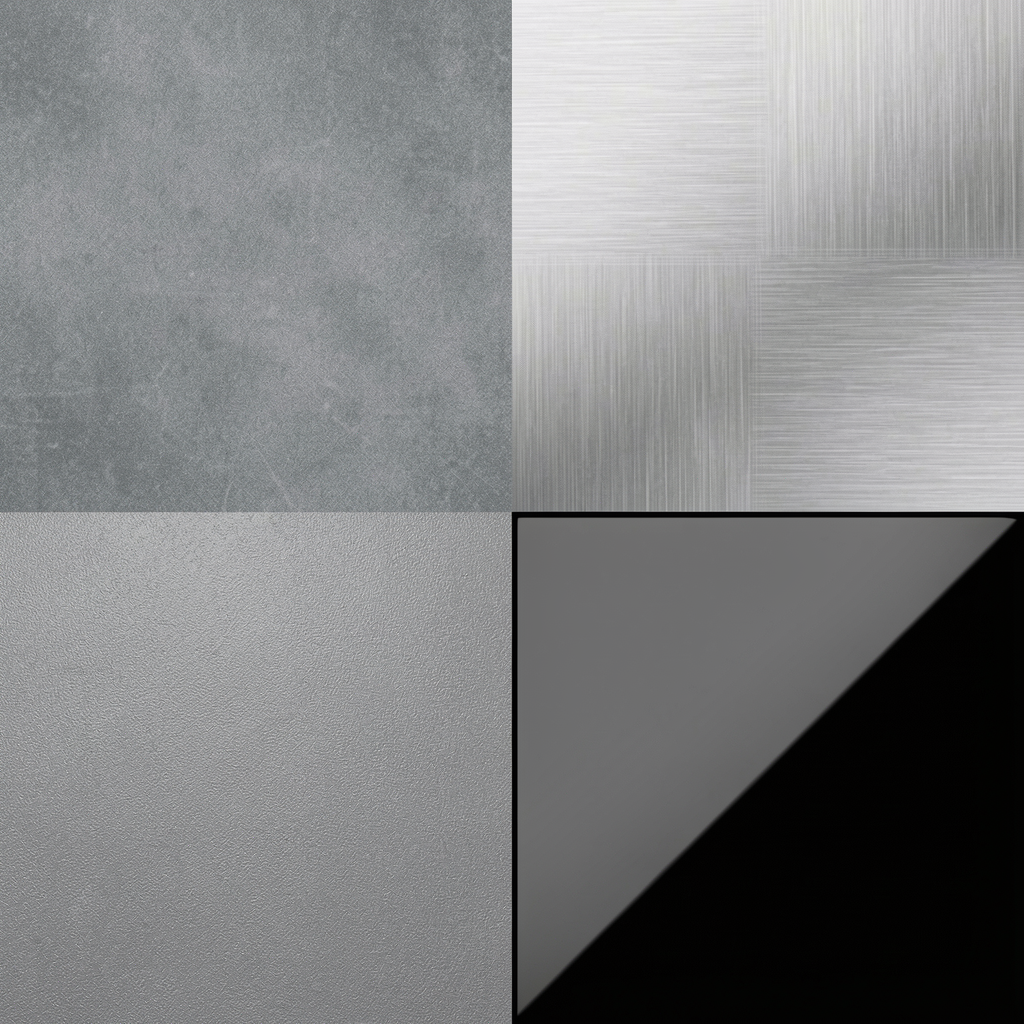
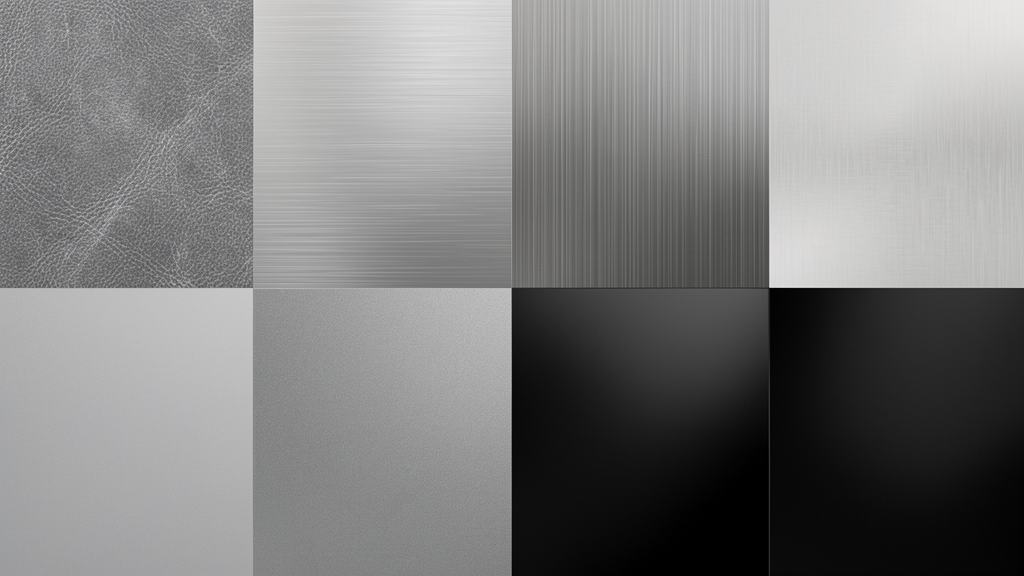
Four common blade finishes compared: stonewash, satin, bead blast, and DLC/PVD coating.
Each finish has distinct advantages and trade-offs. Some hide wear beautifully while others patina over time. Some reduce friction during cutting while others enhance corrosion protection. This guide covers the four most common blade finishes found on modern folding knives. Artisan Cutlery's folding knife collection features multiple finish options across its lineup.
Stonewash Finish
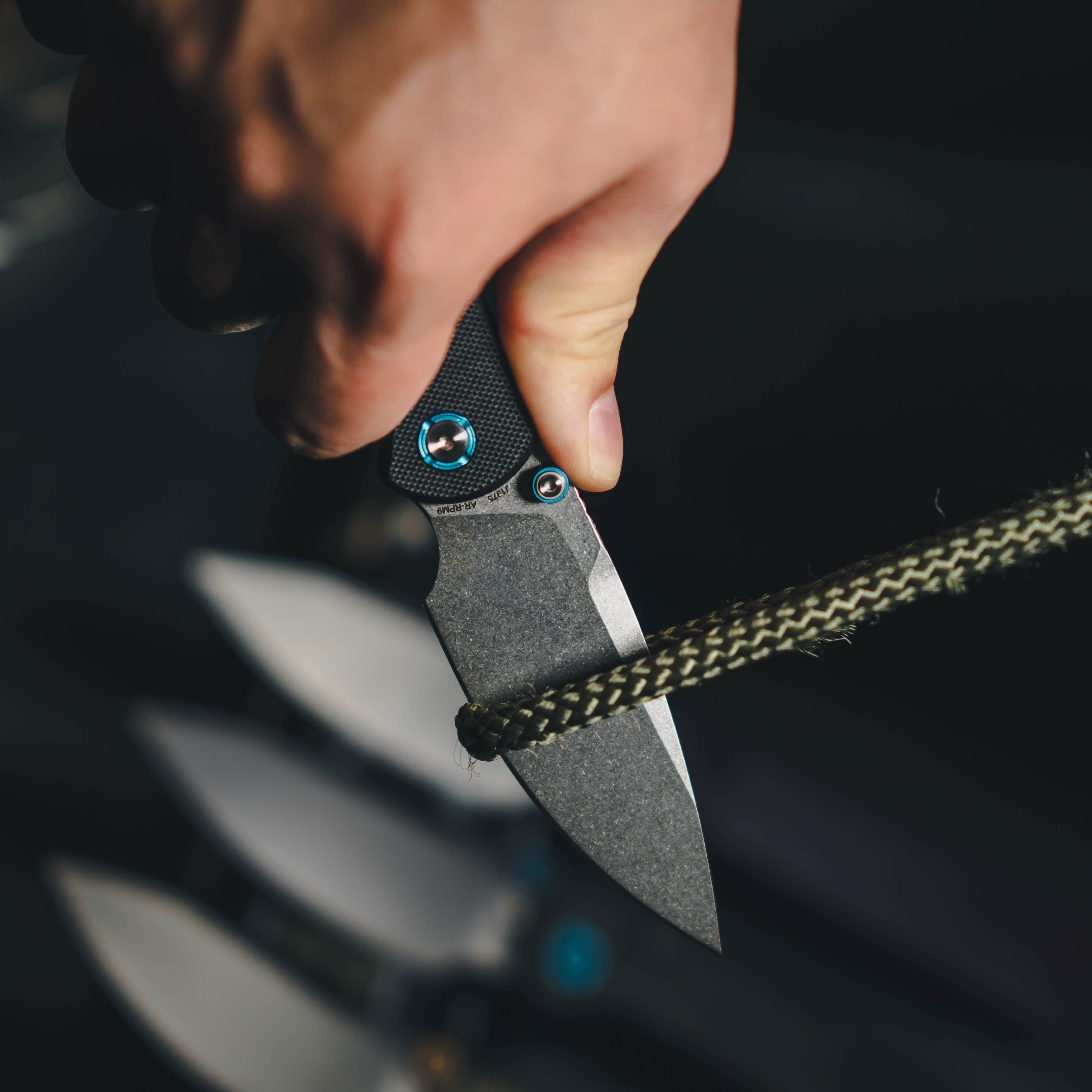
Stonewashing is created by tumbling blades with ceramic or stone media in a rotating drum. The process creates a uniform, matte, pebbled surface texture. Both the blade and the abrasive media are tumbled together, resulting in a slightly work-hardened surface with a distinctive worn appearance.
- Appearance: Even matte gray with a slightly textured, pebbled surface
- Scratch concealment: Excellent — stonewash masks scratches and wear extremely well
- Corrosion resistance: Neutral — does not add or subtract from the steel's inherent corrosion resistance
- Glare reduction: Excellent — the matte texture eliminates reflective hotspots
- Maintenance: Low — visible wear actually enhances the aesthetic
- Common on: D2, S35VN, and budget steel blades for hard-use EDC knives
Satin Finish
Satin finishes are created by grinding the blade surface with progressively finer abrasive belts, producing parallel lines along the length of the blade. The result is a smooth, brushed-metal appearance that reflects light in a controlled manner.
- Appearance: Brushed metallic sheen with visible linear grain
- Scratch concealment: Moderate — fine scratches blend in with the grain, but deeper marks stand out
- Corrosion resistance: Neutral — the smooth surface has fewer crevices for moisture to collect
- Glare reduction: Moderate — reflects less than mirror polish but more than stonewash
- Maintenance: Moderate — can be refreshed with fine sandpaper following the grain direction
- Common on: Premium knives, presentation-grade pieces, and gentleman's knives
Bead Blast Finish
Bead blasting propels fine glass beads at high pressure onto the blade surface, creating a uniform matte finish with no directional grain. It produces the most subdued, non-reflective surface of any finish.
- Appearance: Even, soft matte gray with no visible grain or texture pattern
- Scratch concealment: Fair — the matte surface shows scratches less than satin but more than stonewash
- Corrosion resistance: Reduced — the roughened microscopic surface provides more area for moisture to cling
- Glare reduction: Excellent — completely non-reflective
- Maintenance: Moderate — harder to reapply without professional equipment
- Common on: Tactical knives, user-grade EDC, and budget-friendly options
PVD/DLC Coating
Physical Vapor Deposition (PVD) and Diamond-Like Carbon (DLC) coatings are applied in a vacuum chamber where carbon or ceramic material is vaporized and deposited onto the blade surface. DLC is a specific type of PVD coating known for extreme hardness and low friction.
- Appearance: Deep black or dark gray with semi-gloss finish (varies by coating type)
- Scratch concealment: Excellent initially — scratches show as lighter marks against the dark coating
- Corrosion resistance: Significantly enhanced — the coating creates a barrier against moisture and acids
- Glare reduction: Excellent — absorbs light effectively
- Maintenance: Low — coating is extremely hard and durable, but can chip under impact
- Common on: Premium and tactical folders, corrosion-prone steels like D2 and M390
Finish Comparison Table
| Feature | Stonewash | Satin | Bead Blast | PVD/DLC |
|---|---|---|---|---|
| Scratch Hiding | ★★★★★ | ★★★☆☆ | ★★☆☆☆ | ★★★★☆ |
| Corrosion Protection | ★★★☆☆ | ★★★☆☆ | ★★☆☆☆ | ★★★★★ |
| Glare Reduction | ★★★★★ | ★★☆☆☆ | ★★★★★ | ★★★★★ |
| Maintenance Ease | ★★★★★ | ★★★☆☆ | ★★☆☆☆ | ★★★★☆ |
| Cutting Friction | Moderate | Low | Moderate | Very Low |
| Cost Impact | Minimal | Minimal | Low | Moderate |
Which Finish Should You Choose?
For hard-use EDC: Choose stonewash. It hides wear better than any other finish and requires no special care. As the knife ages, the stonewash actually looks better — each scratch blends into the pebbled texture.
For aesthetic appeal: Satin finishes highlight the blade's geometry and grind lines. They're common on premium knives where the blade shape is a design feature worth showing off.
For tactical or low-glare applications: Bead blast offers the most non-reflective surface but requires careful maintenance to avoid corrosion spots. PVD/DLC coatings are the better choice for combining stealth appearance with enhanced corrosion protection.
For corrosion-prone environments: PVD/DLC coatings provide an extra layer of protection beyond the steel's inherent corrosion resistance, making them ideal for humid climates or users who live near salt water.
Finish Care Tips
- Stonewash and satin finishes benefit from occasional oiling to maintain corrosion resistance
- Avoid abrasive cleaners on bead blast finishes — they may alter the surface texture unevenly
- PVD/DLC coatings are hard but not indestructible — avoid scraping against hard materials like ceramic or stone
- All finishes benefit from wiping the blade clean after use, especially when cutting acidic foods or wet materials
- If a satin finish develops scratches, 600-1000 grit sandpaper used along the grain direction can refresh the appearance
Understanding blade finishes helps you choose a knife that will age well with your specific carry habits. Whether you prefer the rugged honesty of stonewash or the sleek protection of DLC, each finish has its place in a well-rounded EDC collection.

Leave a comment
This site is protected by hCaptcha and the hCaptcha Privacy Policy and Terms of Service apply.