

Why Handle Material Matters
The handle of a knife affects grip comfort, durability, weight, and overall aesthetics. Different handle materials offer different benefits — from the lightweight rigidity of carbon fiber to the warm, grippy feel of Micarta. Understanding the trade-offs between common handle materials helps you choose a knife that feels right in your hand.
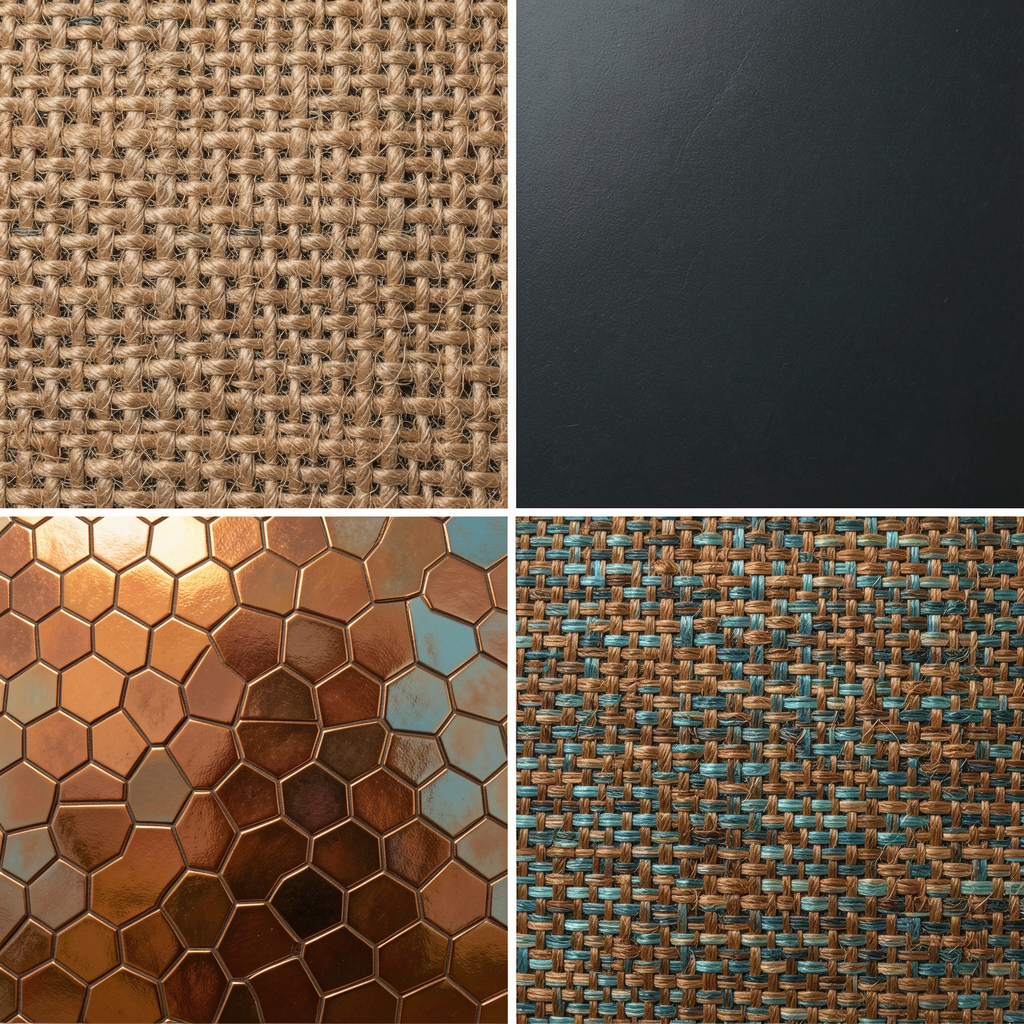
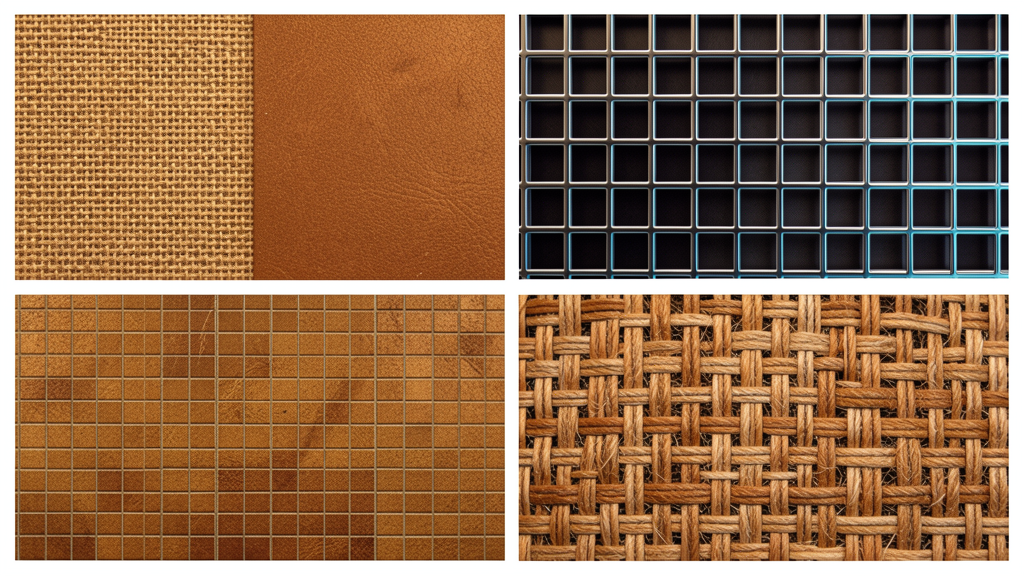
Common knife handle materials — G10, Micarta, titanium, and carbon fiber compared.
G10
G10 is a high-pressure fiberglass laminate — layers of glass cloth impregnated with epoxy resin and compressed under heat. The result is an extremely strong, rigid material that is resistant to moisture, chemicals, and temperature extremes. G10 handles can be textured for excellent grip or contoured for comfort.
It is one of the most popular handle materials in EDC knives due to its combination of strength, light weight, and affordability. G10 does not absorb moisture and is virtually indestructible under normal use. Many Artisan Cutlery models feature G10 handles for their reliable performance.
Micarta
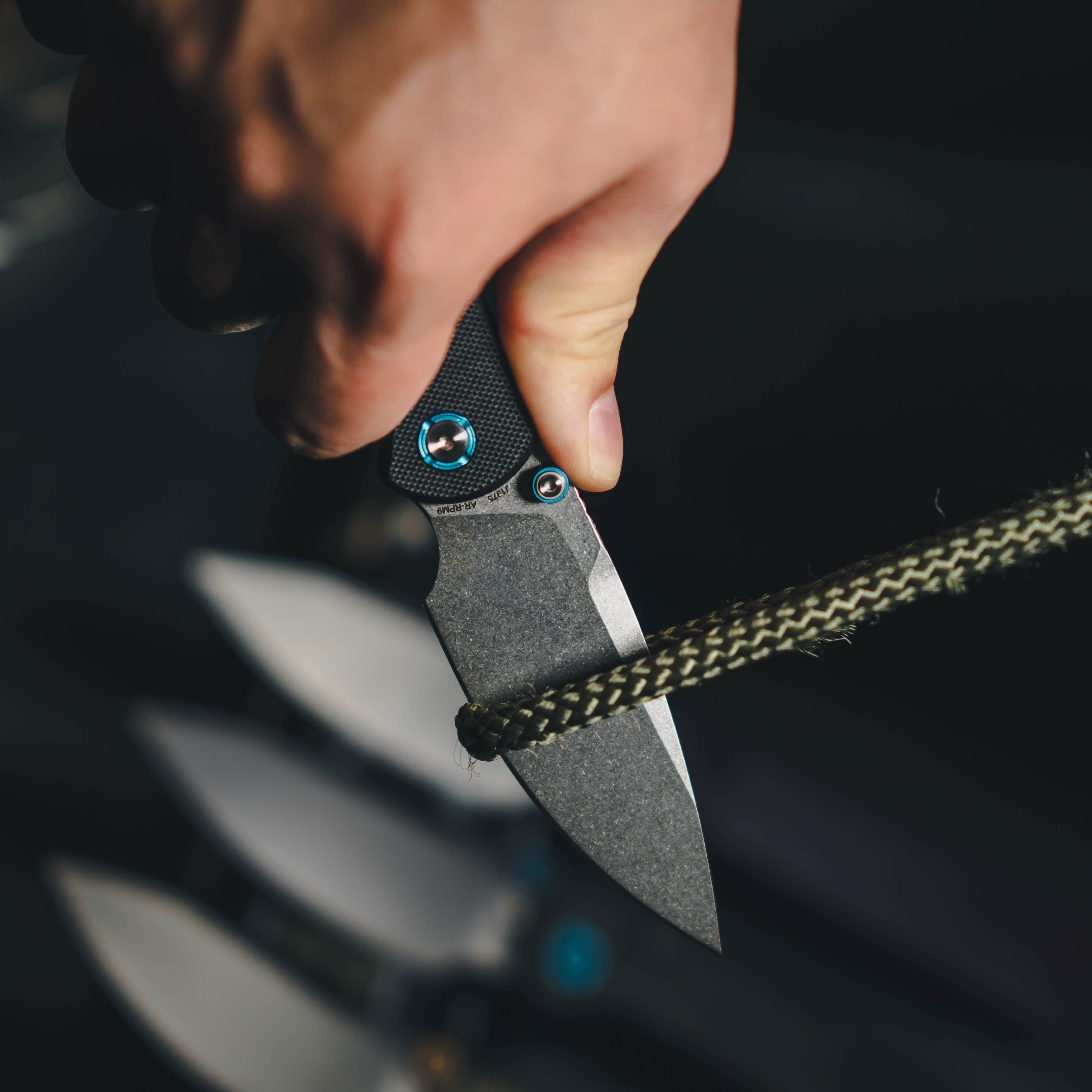
Micarta is a composite material made from layers of fabric (linen, canvas, or paper) bonded with phenolic resin. Unlike G10, Micarta has natural grip characteristics — it becomes slightly more grippy when wet, making it excellent for outdoor and wet-conditions use.
Micarta has a warm, organic feel that many knife enthusiasts prefer over synthetic materials. Over time, Micarta develops a patina and character based on use. It is heavier than G10 and can absorb small amounts of moisture and oil from the hands, adding to its aged appearance.
For more on Micarta's properties and manufacturing, Wikipedia's Micarta article provides a detailed overview of this classic composite material.
Titanium
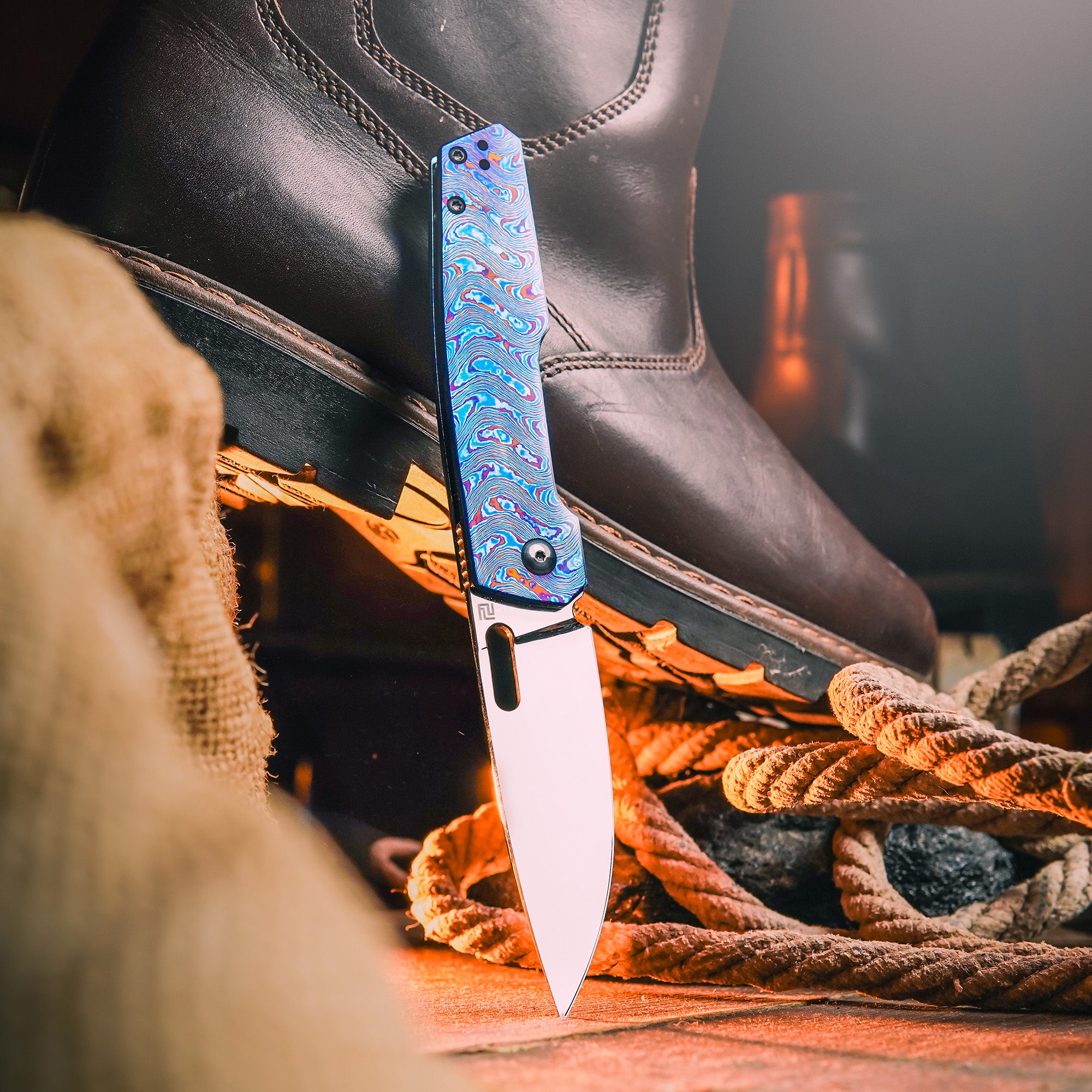
Titanium handles are prized for their strength-to-weight ratio. Titanium is lighter than steel, corrosion-resistant, and naturally hypoallergenic. It is often used for premium frame-lock knives because the material's springiness makes it ideal for integrated lock bars.
Titanium can be anodized in a range of colors (from bronze to blue to purple) by applying voltage to create a colored oxide layer. While titanium handles cost more than G10 or Micarta alternatives, they offer unmatched durability and a premium feel. The Artisan Cutlery catalog includes titanium-handled models for those seeking premium materials.
Carbon Fiber
Carbon fiber is a composite of thin carbon strands woven together and set in epoxy resin. It is extremely light and stiff, with a distinctive woven appearance. Carbon fiber handles offer the highest strength-to-weight ratio of common knife handle materials.
The woven pattern gives each handle a unique visual character. Carbon fiber is also highly corrosion-resistant and does not expand or contract significantly with temperature changes. Premium carbon fiber variants, including forged or shredded patterns, offer even more aesthetic options.
Comparison Table
| Property | G10 | Micarta | Titanium | Carbon Fiber |
|---|---|---|---|---|
| Weight | Light | Moderate | Light | Very Light |
| Grip (dry) | Excellent | Good | Good | Good |
| Grip (wet) | Good | Excellent | Moderate | Moderate |
| Durability | Excellent | Very Good | Excellent | Good |
| Cost | Low | Moderate | High | High |
| Aesthetics | Industrial | Warm/Organic | Premium/Machined | Modern/Weave |
Choosing the Right Handle
If you want a durable, no-fuss handle at a great value, G10 is hard to beat. For outdoor or wet-conditions use, Micarta's unique grip properties make it a top choice. If premium feel, weight savings, and corrosion resistance are priorities, titanium delivers. For the lightest possible carry with a modern look, carbon fiber is the way to go.
Explore the range of handle options available in the Folding Pocket Knives collection at Artisan Cutlery, where you'll find models in G10, Micarta, titanium, carbon fiber, and more.



Leave a comment
This site is protected by hCaptcha and the hCaptcha Privacy Policy and Terms of Service apply.