

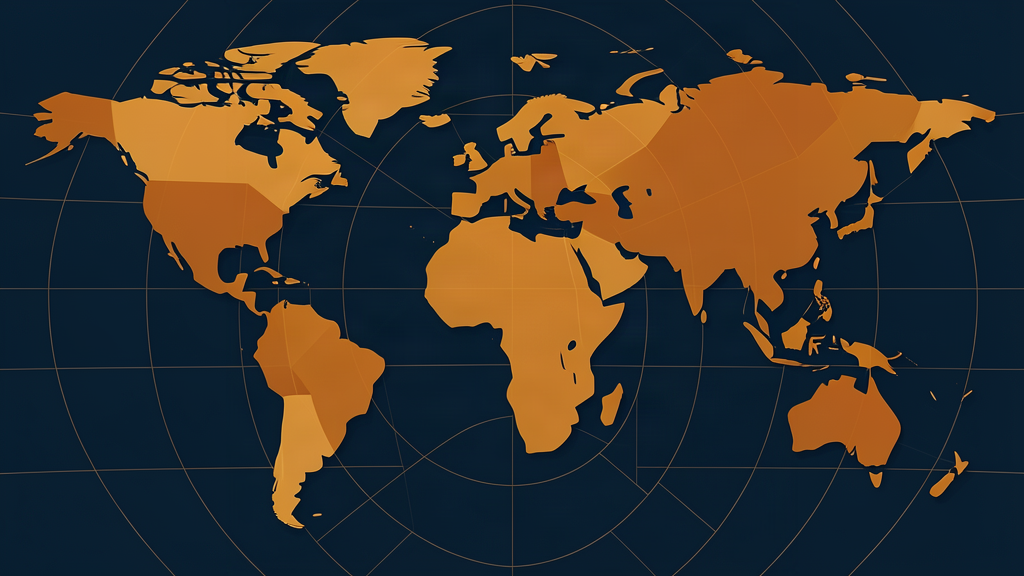
Knife laws vary enormously from country to country. Some nations regulate by blade length, others by locking mechanism, and many by the purpose of carry. Two concepts explain most of the differences: possession (owning a knife at home) and carry (having it on your person in public), which are regulated separately almost everywhere. This guide summarizes the key rules for major destinations, based on the widely referenced overview of knife legislation on Wikipedia.

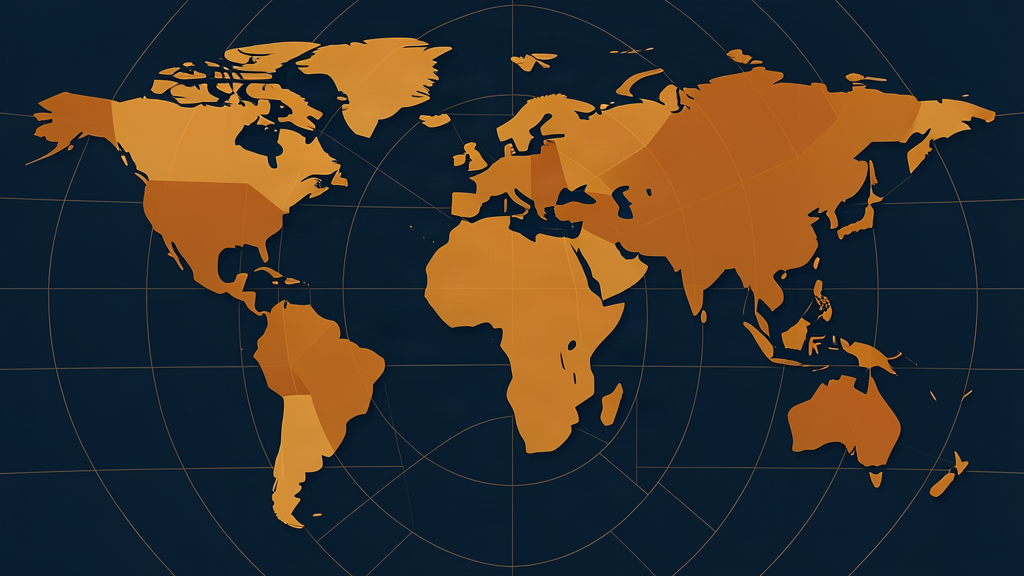
Carry rules differ sharply from one country to the next.
Quick Reference by Country
| Country | Key rule |
|---|---|
| United Kingdom | Non-locking folding knife with a cutting edge under 3 inches (7.62 cm) is exempt; anything else needs good reason or lawful authority |
| Germany | No general blade-length limit; carrying a knife as a weapon is illegal, and knives are banned in specific places |
| Japan | Carry prohibited except for lawful purposes; a blade over 6 cm triggers a heavier charge |
| Canada | No federal blade-length limit; automatic and centrifugal-opening knives are prohibited weapons |
| France | Fixed blades and locking folders may be bought at 18+, but public carry requires good reason |
| Denmark | Folding and fixed knives legal to own up to a 12 cm blade; automatic and butterfly knives are illegal |
| Spain | Daggers of any type are prohibited; double-edged blades up to 11 cm may be owned but not carried in public |
| Australia | Butterfly knives are generally classified as prohibited weapons requiring a special excuse |
The United Kingdom: Purpose Over Length
The UK has some of the strictest knife legislation in the world. The famous exemption is narrow: a folding knife without a locking mechanism and with a cutting edge under 3 inches (7.62 cm) may be carried. Locking blades, longer blades, and fixed blades all require good reason or lawful authority — for example, use at work. Butterfly knives and zombie-style knives are prohibited, and recent legislation has expanded police powers around knife crime.
Germany and Japan: Intended Use and Thresholds
Contrary to popular belief, Germany has no general blade-length limit. What matters is intended use: carrying a knife as a weapon is illegal, and knives are prohibited in specific places such as courtrooms and football matches. Japan takes a different approach — after the 2008 revisions, carrying any knife is prohibited except for lawful purposes such as work or outdoor activities like hunting, fishing, camping, and hiking. A blade over 6 cm raises the charge from a minor offense to a violation of the gun and sword law, with heavier penalties.
Canada and France: Categories and Good Reason
Canada has no federal blade-length limit for carry, but automatic and centrifugal-opening knives — switchblades and gravity knives — are prohibited weapons, and carrying any knife with intent to use it for a purpose dangerous to public peace is criminalized. In France, fixed-blade knives and locking folding knives fall into the unregulated Category D: legal to purchase at 18 or older, but carrying one on your person requires good reason, such as professional use, and knives in vehicles must be stored in a locked compartment.
Denmark, Spain, and Australia: Explicit Bans
Denmark allows folding and fixed-blade knives up to a 12 cm blade, with longer blades requiring a legitimate reason or a collector's permit — while automatic knives, butterfly knives, neck knives, and disguised knives are illegal to own. Spain prohibits daggers of any type, allows ownership (but not public carry) of double-edged pointed blades up to 11 cm, and prohibits folding knives with blades over 11 cm. Australia generally classifies butterfly knives as prohibited weapons, which requires a special, legitimate excuse to possess.
Carry rules differ sharply from one country to the next.
Traveling With a Knife: A Checklist
- Research the law in your destination and in every country you transit through — the strictest rule on your route wins.
- Remember that airlines have their own rules on top of national law; knives generally travel in checked luggage, and some airlines ban them entirely.
- Declare knives at customs when asked. A small folding knife within legal limits is one thing; an undeclared one is another.
- When in doubt, leave it at home. A multi-tool or a cheap local utility knife bought on arrival avoids the risk entirely.
Laws change frequently — the UK alone has passed major knife-legislation updates in recent years — so always confirm current rules with official government sources before traveling. For a country-by-country breakdown, see knife legislation on Wikipedia.
Find your ideal everyday carry configuration — explore the Artisan Cutlery folding knife collection for premium EDC folders built for reliable everyday carry.



Leave a comment
This site is protected by hCaptcha and the hCaptcha Privacy Policy and Terms of Service apply.