


Why Knife Locks Matter
A knife lock is the mechanism that keeps a folding knife's blade securely open during use. Without a reliable lock, the blade could fold unexpectedly onto the user's fingers — a dangerous situation. Understanding different lock types helps EDC enthusiasts choose the right knife for their needs, balancing strength, ease of use, and safety. Wikipedia's overview of pocket knives provides background on how these mechanisms evolved alongside folding knife design.

How different locking mechanisms secure a folding knife blade
Major Folding Knife Lock Types
| Lock Type | Mechanism | Strength | Ease of Use |
|---|---|---|---|
| Liner Lock | A spring-loaded steel liner slides behind the blade tang | Good | Excellent |
| Frame Lock | Part of the handle frame flexes behind the blade tang | Very Good | Excellent |
| Button Lock | A spring-loaded button engages the blade tang | Good | Excellent (ambidextrous) |
| Back Lock | A notched rocker arm engages the blade spine | Very Good | Good (requires two hands to close) |
| Axis Lock | A spring-loaded crossbar engages blade tang notches | Excellent | Excellent (ambidextrous) |
| Slip Joint | Spring tension holds blade open (no true lock) | Moderate | Good |
Liner Lock
The liner lock is one of the most common lock types in modern folding knives. When the blade opens, a spring steel liner on one side of the handle snaps into position behind the blade's tang, preventing it from closing. To disengage, the user pushes the liner to the side. Liner locks are lightweight, simple to manufacture, and easy to operate with one hand. They appear in everything from budget-friendly knives to premium production models.
Frame Lock
A frame lock functions similarly to a liner lock, but instead of a separate liner, part of the handle frame itself serves as the locking bar. This design was popularized by custom knife maker Chris Reeve and has become a favorite for premium knives. Frame locks typically offer greater strength than liner locks because the locking bar is thicker and made from the same material as the handle — often titanium.
Button Lock
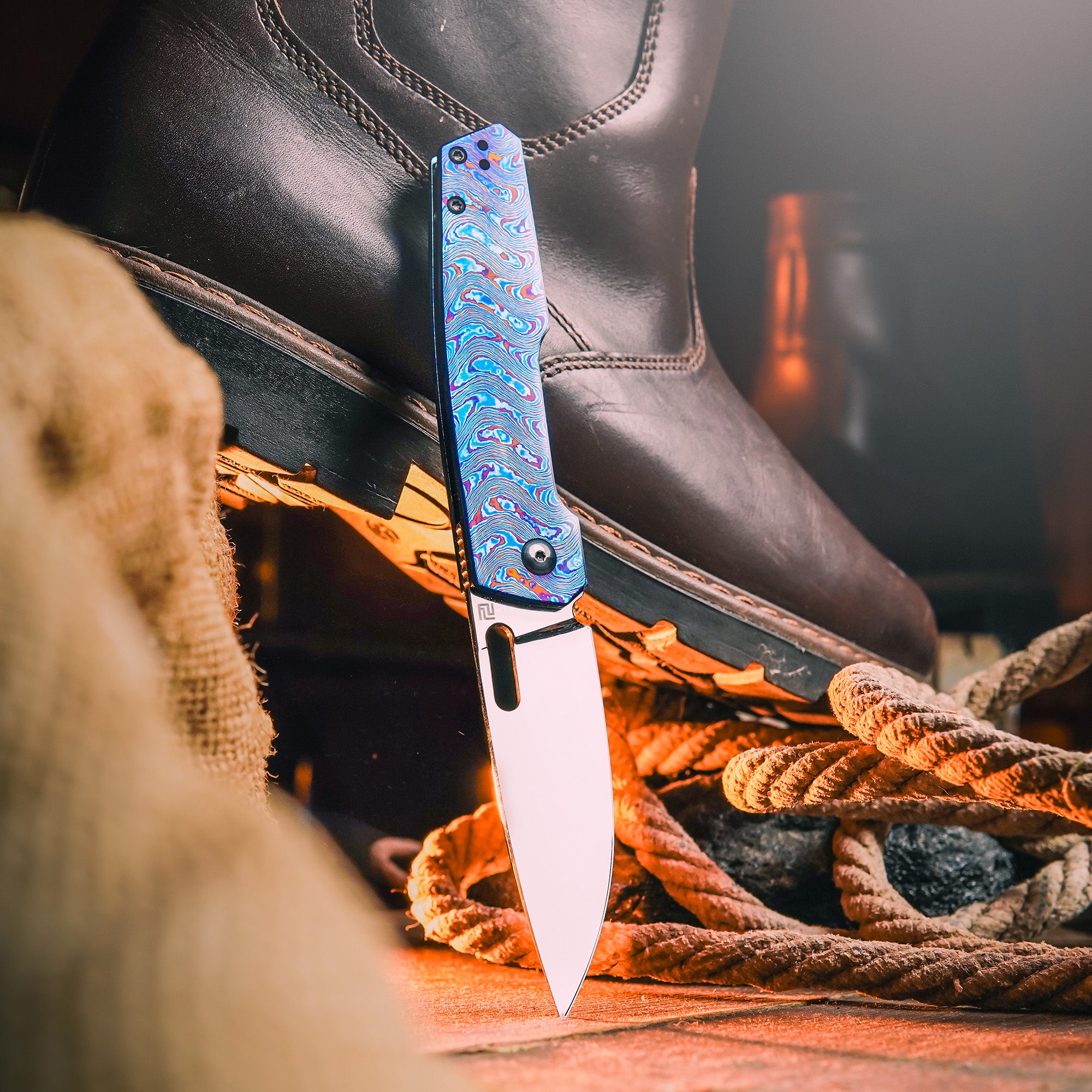
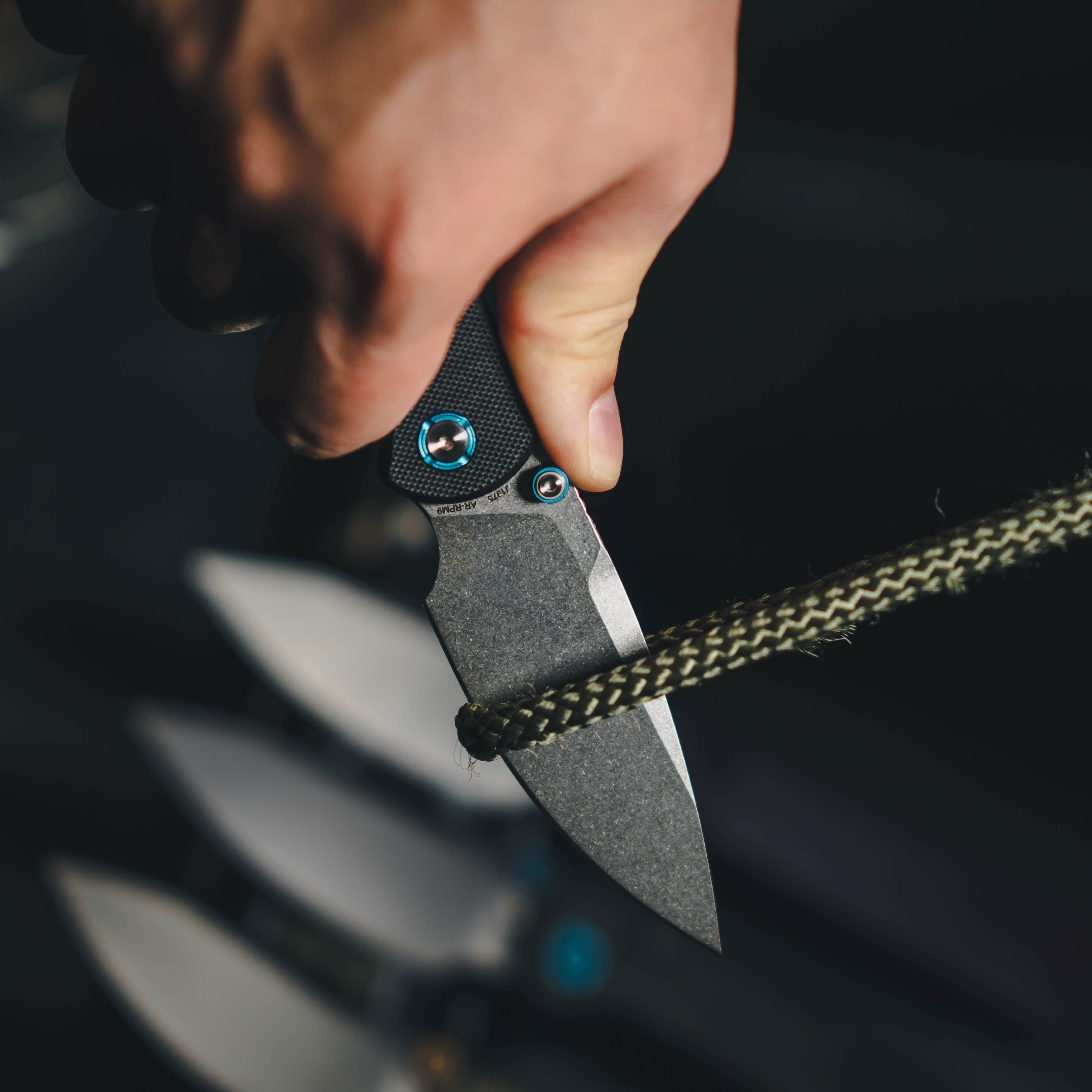
Button lock knives use a spring-loaded plunger that engages a notch in the blade tang. Pressing the button releases the blade, and releasing the button locks it. This mechanism is fully ambidextrous and allows for smooth, fidget-friendly operation. Many modern EDC designs, including several in the Artisan Cutlery folding pocket knife collection, utilize button lock mechanisms for their intuitive operation and secure lockup.
Choosing the Right Lock for You
Consider your priorities when selecting a lock type: if ambidextrous operation matters, look for button locks or Axis-style designs. If maximum strength is critical, a frame lock in titanium offers exceptional durability. For lightweight everyday carry, a well-executed liner lock provides an excellent balance of security and simplicity. The best lock is the one you feel confident using daily.


Leave a comment
This site is protected by hCaptcha and the hCaptcha Privacy Policy and Terms of Service apply.