

The pivot is the mechanical heart of every folding knife. It determines how smoothly the blade deploys, how solid the lockup feels, and how the knife performs over years of use. Two primary pivot systems dominate modern folding knife design: bearings and washers. Each offers distinct trade-offs in smoothness, durability, maintenance, and feel. This guide breaks down what each system does, which one suits different EDC needs, and how to maintain your pivot for lasting performance.
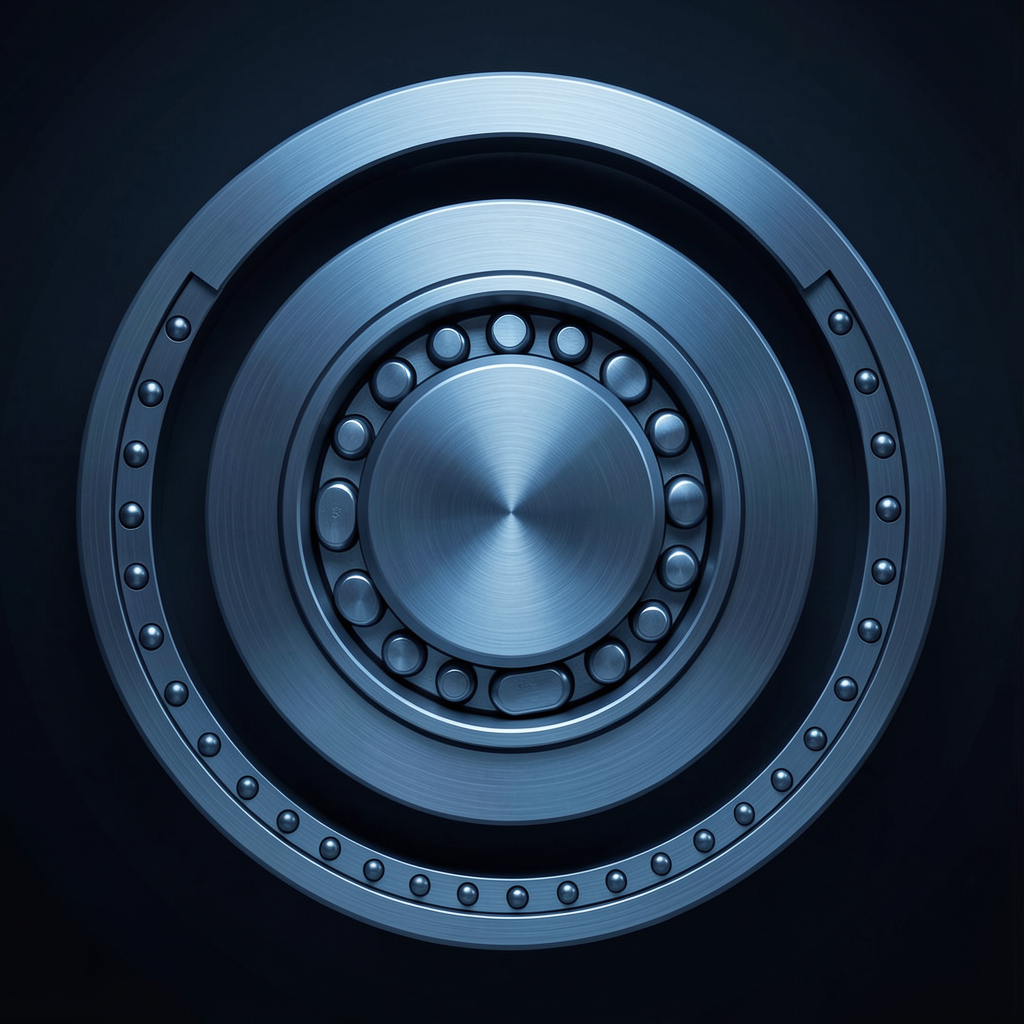
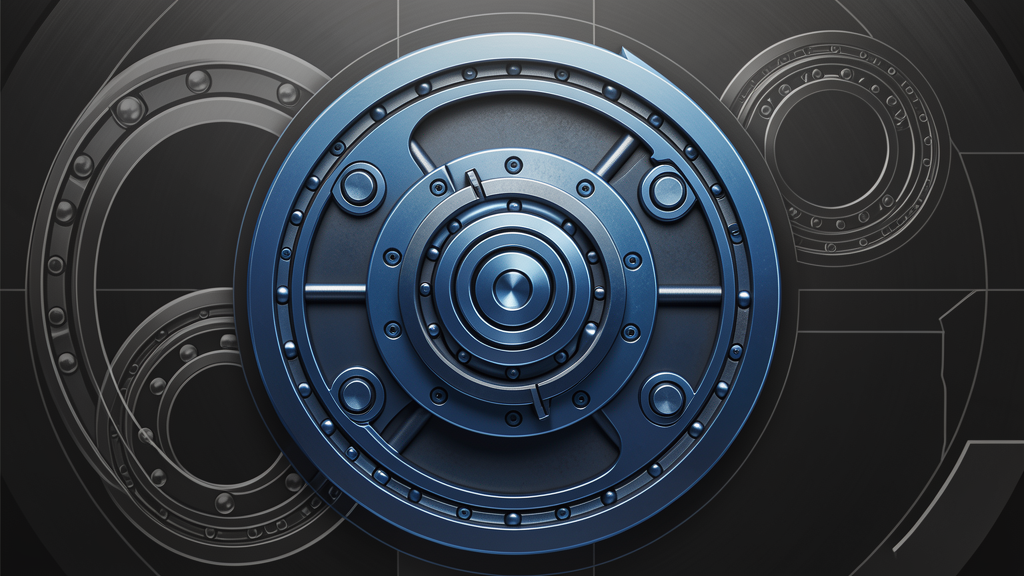
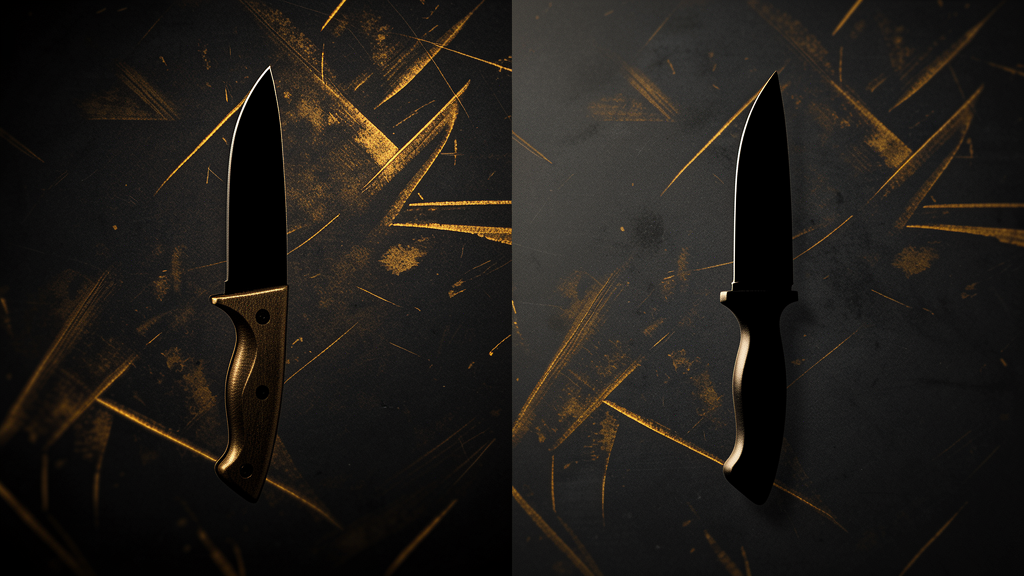
Bearing pivots (left) offer drop-shut action while phosphor bronze washers (right) provide reliable long-term durability
Washer Pivots: The Proven Standard
Washer-based pivots use thin discs — typically made of bronze, phosphor bronze, or nylon — sandwiched between the blade tang and the handle scales. The washer provides a low-friction surface that allows the blade to rotate smoothly around the pivot screw. Phosphor bronze washers are the most common because they offer excellent wear resistance, self-lubricating properties, and consistent performance over thousands of cycles.
Advantages: Washer pivots are highly durable, tolerant of dirt and debris, and easy to maintain. They provide consistent action that breaks in rather than wears out — a well-broken-in washer pivot often feels smoother than a bearing pivot because the washers have polished themselves against the blade tang through use. Washers are also less expensive to manufacture, keeping knife costs lower.
Trade-offs: Washer pivots require more break-in time than bearings, are more sensitive to pivot tension adjustments, and generally do not achieve the 'drop-shut' action that many enthusiasts prefer. They also require periodic lubrication to maintain smoothness.
Bearing Pivots: Modern Smoothness
Bearing pivots use small hardened steel or ceramic balls held in a cage (retainer) that sits between the blade tang and handle. The bearings roll rather than slide, dramatically reducing friction. Common bearing types include caged bearings (balls held in a metal or polymer retainer), loose bearings (balls free in a channel), and MRBS (multi-row bearing systems).
Advantages: Bearings offer the smoothest deployment of any pivot system — blades open with minimal effort and often close under their own weight (drop-shut action). Bearings require no break-in period and maintain consistent performance from day one. They are less sensitive to pivot tension adjustment than washers.
Trade-offs: Bearings are more susceptible to dust, pocket lint, and grit — contaminants that can cause gritty action or damage the races. They are more expensive to manufacture and may require more careful maintenance. If a bearing cage fails or a ball escapes, the pivot system needs replacement rather than simple adjustment.
Comparison Table
| Factor | Phosphor Bronze Washers | Caged Bearings | Ceramic Bearings |
|---|---|---|---|
| Smoothness (new) | Good | Excellent | Outstanding |
| Break-in period | 2-4 weeks | None | None |
| Dirt tolerance | Excellent | Moderate | Moderate |
| Drop-shut potential | Rare | Common | Common |
| Maintenance difficulty | Low | Moderate | Moderate |
| Cost impact | Minimal | Moderate | Higher |
Pivot Maintenance: Keeping Both Systems Smooth
Regardless of which pivot system your EDC knife uses, regular maintenance extends the life of the mechanism and preserves smooth action. Here is a practical schedule:
- Weekly — Open and close the knife several times to work lubricant through the pivot. Wipe any visible grime from the pivot area with a clean cloth.
- Monthly — Apply a single drop of lightweight oil (such as KPL or Nano-Oil) to the pivot junction. Open and close the blade to distribute the oil. For washers, this is especially important during the break-in period.
- Quarterly — Disassemble the knife (if you are comfortable), clean the pivot components with isopropyl alcohol, inspect washers or bearings for damage, and re-lubricate before reassembly. Bearing knives should be cleaned more frequently if used in dusty environments.
- Signs of trouble — Gritty action, side-to-side blade play, pivot screw loosening, or visible wear on washers indicate it is time for a deeper clean or part replacement.
Which Pivot System Is Right for Your EDC?
Your choice between bearings and washers depends on your priorities. For a hard-use work knife that will face dirt, debris, and heavy cutting, phosphor bronze washers are the most reliable choice — they tolerate abuse and keep running. For an EDC knife that will be used primarily for lighter tasks and carried in a clean pocket, bearings provide a more satisfying fidget experience and effortless deployment. Many premium EDC knives now offer ceramic bearing pivots with sealed races that improve dirt resistance while maintaining smooth action, offering a best-of-both-worlds compromise. Whichever system you choose, proper pivot care is the key to long-term satisfaction.
Find premium folding knives with both bearing and washer pivot systems at the Artisan Cutlery collection, built for reliable everyday carry.


Leave a comment
This site is protected by hCaptcha and the hCaptcha Privacy Policy and Terms of Service apply.