

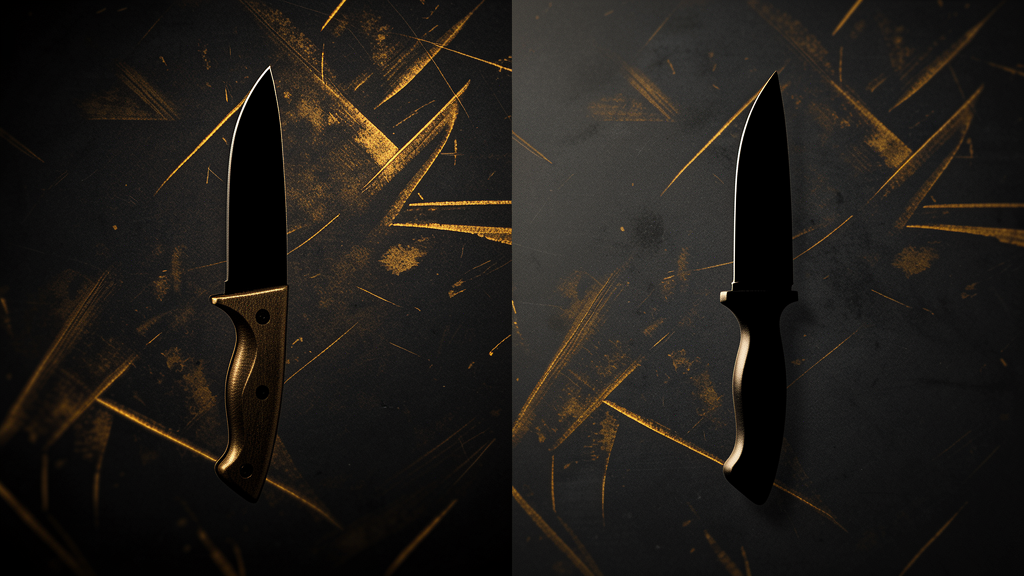
The dagger has a storied history stretching back thousands of years, but its modern folding interpretation has created an entirely new category for everyday carry. While traditional daggers were fixed-blade weapons designed for thrusting, today's pocket daggers offer the same piercing geometry in a compact, legal-carry folding format. This guide explores how folding dagger designs compare to their traditional counterparts and what makes each type suitable for different EDC needs.

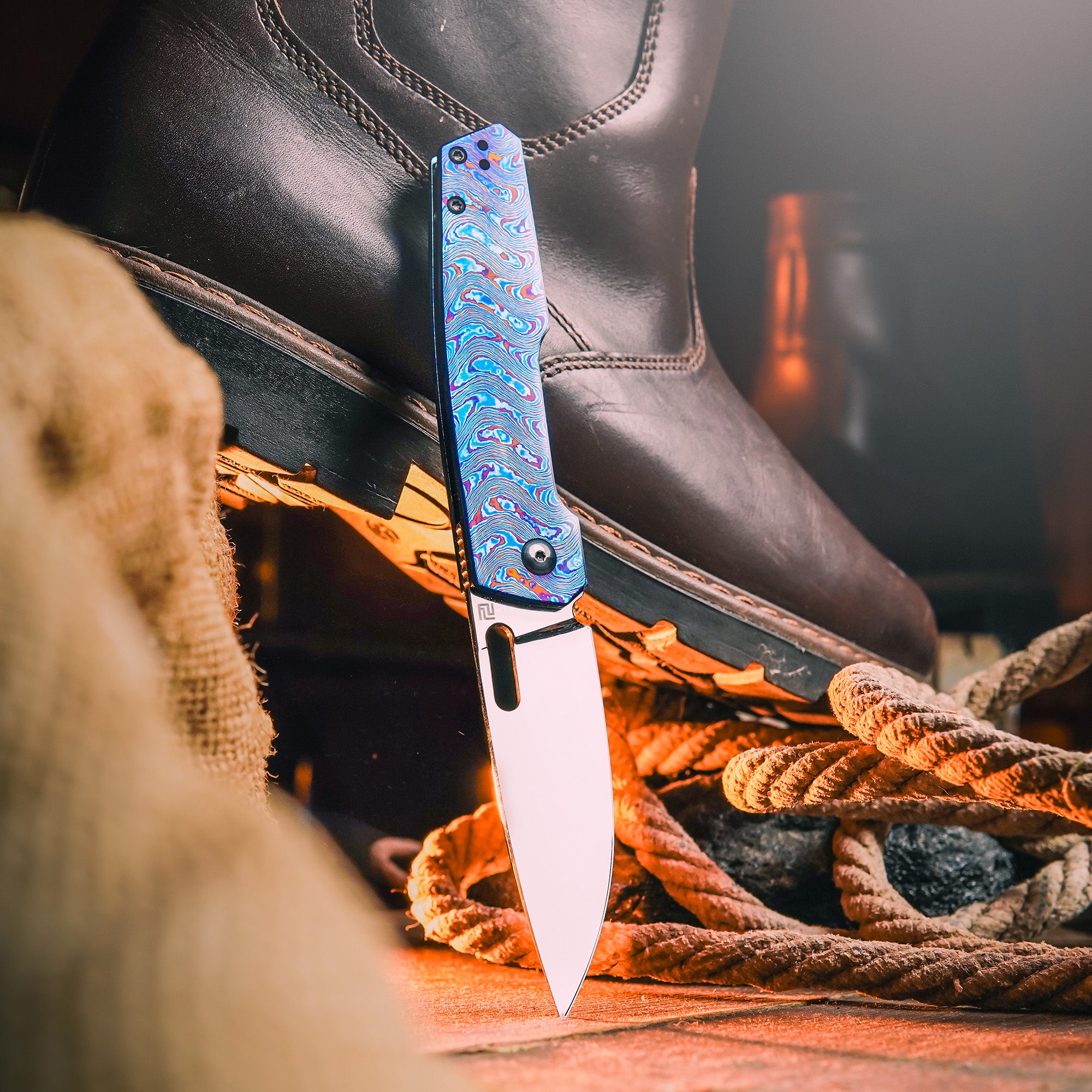
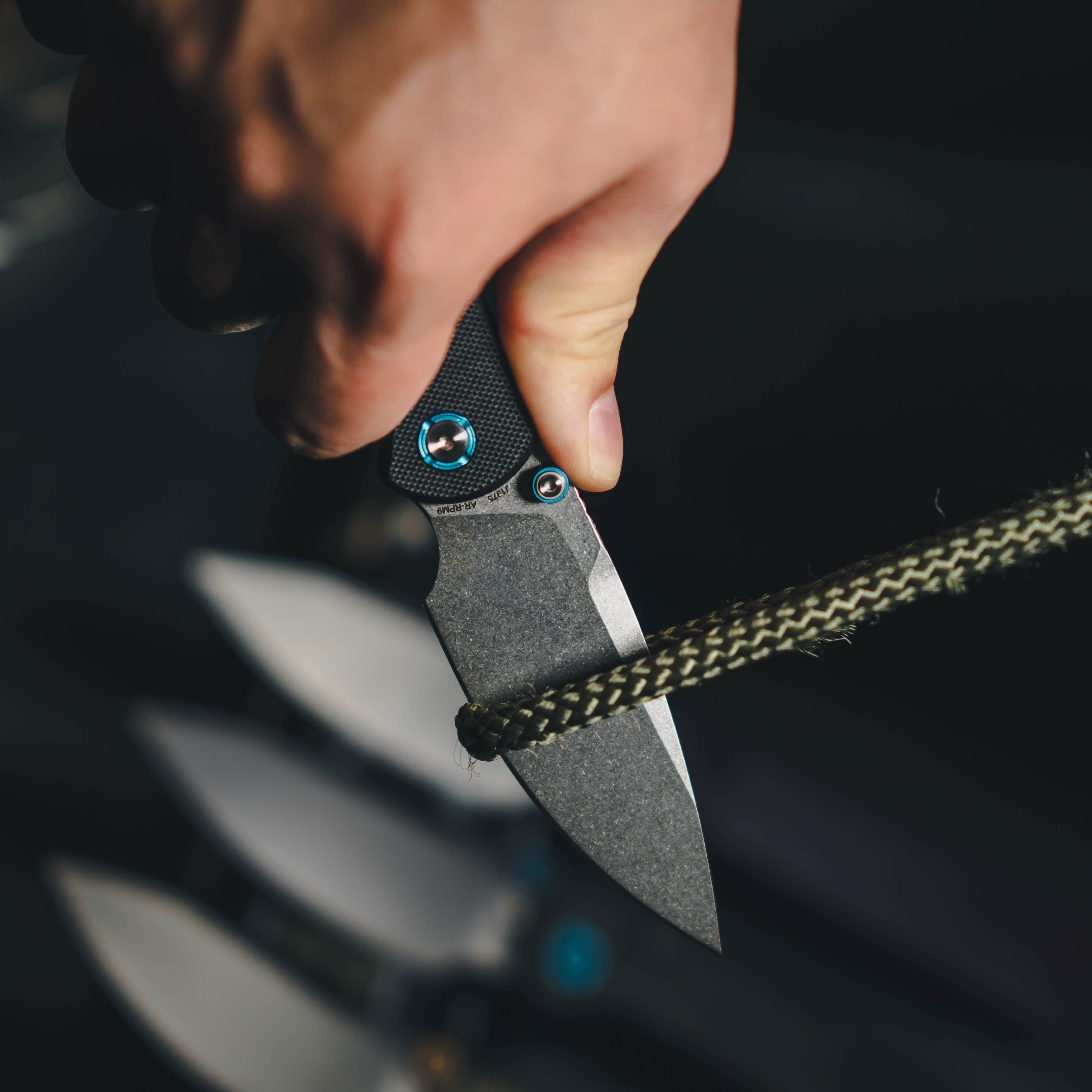
Folding knife designs reinterpret classic blade profiles for modern pocket carry
What Defines a Dagger Blade
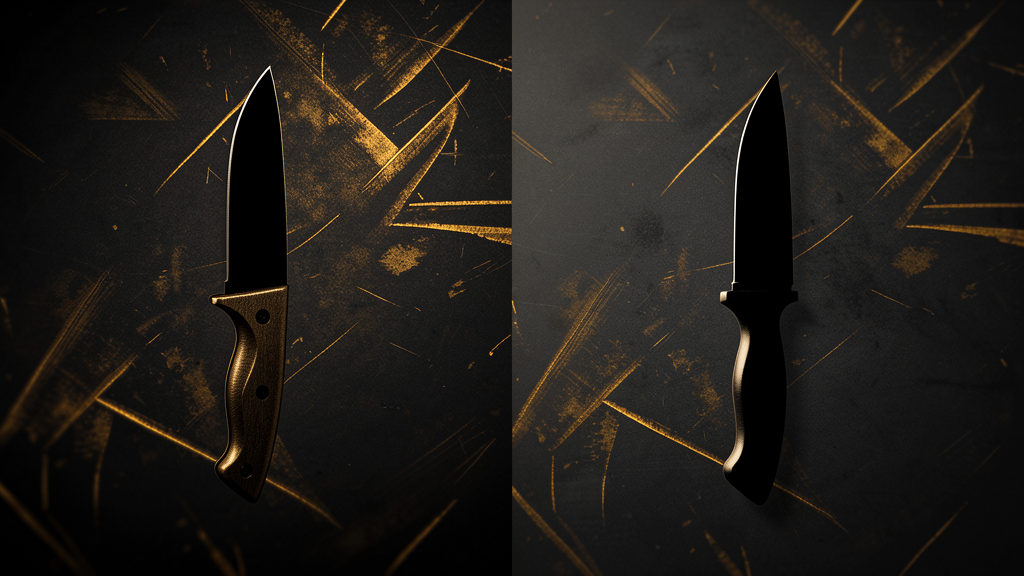
A true dagger blade features symmetrical grinding on both edges, creating a central spine that runs the full length of the blade. Both edges are sharpened, giving the dagger its distinctive double-edged profile. On folding knives, this translates to a blade that is ground on both sides but typically only one edge is sharpened for legal compliance in most jurisdictions. The symmetrical profile makes the blade excellent for piercing tasks while maintaining precise control.
Traditional Fixed Daggers: Design Heritage
Traditional fixed-blade daggers are characterized by their full-tang construction, symmetrical double edge, and often a distinctive guard between blade and handle. These designs were optimized for thrusting and survival tasks, with blade lengths typically ranging from six to twelve inches. Classic examples include the Fairbairn-Sykes fighting knife, the Scottish dirk, and push daggers designed for close-quarters use. Their fixed construction offers maximum strength and reliability but limits carry options significantly.
Modern Folding Daggers: EDC Evolution
Folding dagger designs reimagine the classic profile for modern pocket carry. Key adaptations include:
- Single-edge grinding — Most folding daggers sharpen only one side for legal carry, maintaining the symmetrical profile on the unsharpened side
- Compact blade lengths — Typically 2.5 to 4 inches, staying within legal limits across most jurisdictions
- Locking mechanisms — Frame locks, liner locks, and button locks secure the blade during use
- Pocket clips — Deep carry clips allow discreet daily carry that traditional fixed daggers cannot match
Dagger vs Spear Point vs Needle Point
| Blade Type | Grind Symmetry | Piercing Ability | Cutting Edge | Legal Status |
|---|---|---|---|---|
| Dagger | Symmetrical (double-ground) | Excellent | One or two edges | Restricted in many areas |
| Spear Point | Symmetrical profile, single edge | Good | Single edge | Widely legal |
| Needle Point | Narrow symmetrical taper | Excellent | Single edge typical | Generally legal |
Carry Considerations for Pocket Daggers
Folding dagger designs offer several advantages over traditional fixed blades for daily carry. Their compact size means they fit comfortably in a pocket without printing. Most folding dagger models feature deep-carry pocket clips that keep the knife secure and accessible. The locking mechanism ensures safe deployment and retraction — a critical consideration given the pointed blade profile. Weight is another factor: a typical folding dagger weighs 3 to 5 ounces compared to 6 to 12 ounces for even a compact fixed-blade dagger.
Materials and Construction
Modern folding daggers benefit from the same premium materials found in other EDC folders. Common blade steels include D2, 14C28N, S35VN, and even premium options like M390 for enhanced edge retention. Handle materials range from lightweight G10 and Micarta to premium titanium with stonewashed or anodized finishes. The pivot mechanism is critical on dagger-profile folders — the symmetrical blade geometry places unique stresses on the pivot compared to traditional drop-point or clip-point blade shapes.
Explore the complete Artisan Cutlery folding knife collection to see modern interpretations of classic blade profiles built for reliable everyday carry.


Leave a comment
This site is protected by hCaptcha and the hCaptcha Privacy Policy and Terms of Service apply.