

Why Steel Choice Matters
The steel used in a knife blade directly impacts edge retention, corrosion resistance, toughness, and how easily it can be sharpened. Understanding the differences between common EDC knife steels helps you choose the right blade for your needs. In this knife steel comparison, we look at three popular options: D2, 12C27, and AR-RPM9.
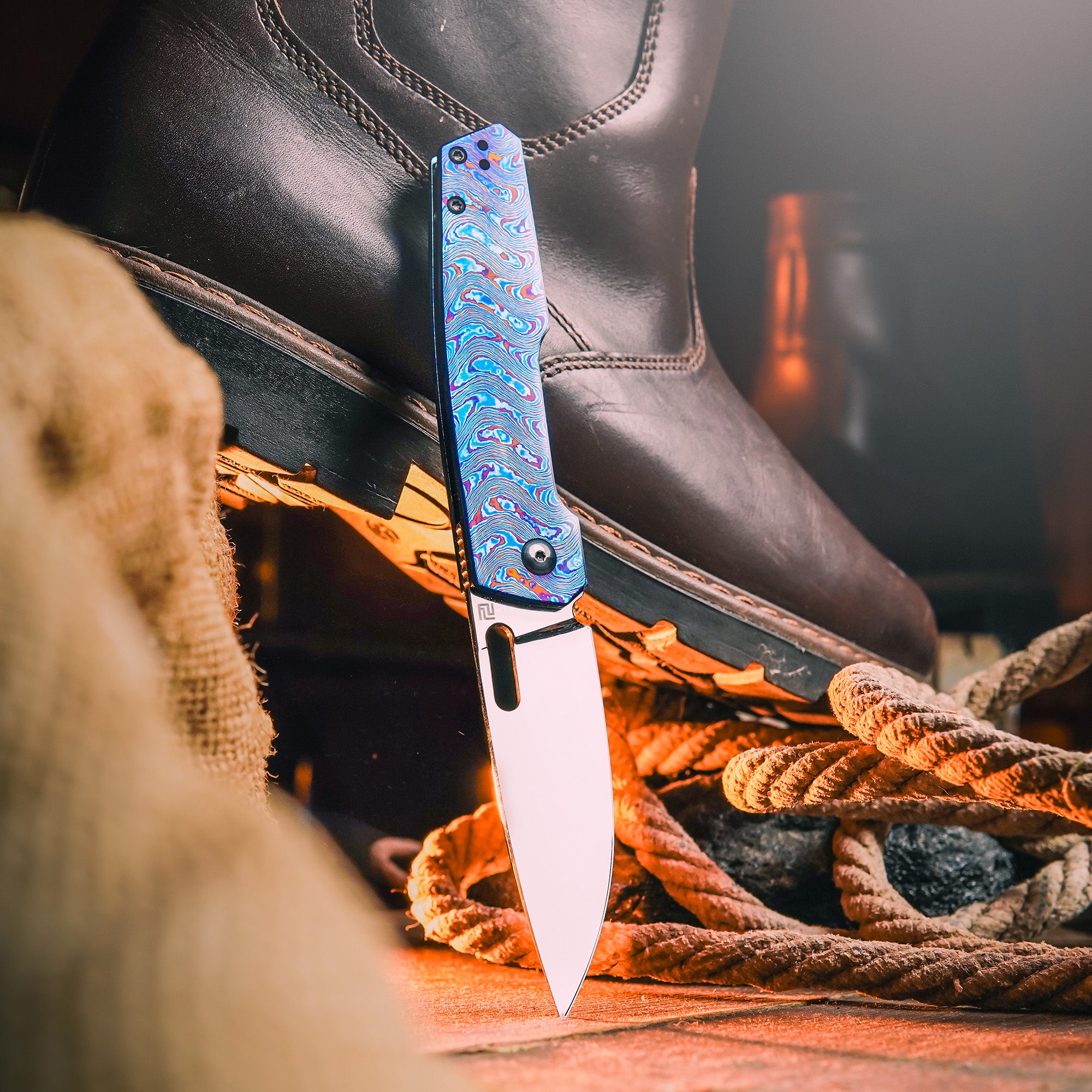
A comparison of popular knife blade steels — D2, 12C27, and AR-RPM9.
D2 Steel
D2 is a high-carbon, high-chromium tool steel known for excellent wear resistance and edge retention. It contains approximately 1.5% carbon and 12% chromium, placing it in the semi-stainless category. While D2 offers superior edge holding compared to many stainless steels, it is less corrosion-resistant — the steel can develop surface patina if not properly maintained.
D2 is a favorite among knife enthusiasts who prioritize long-lasting sharpness and don't mind a bit of extra care. It can be challenging to sharpen due to its hardness, but once refined, the edge lasts significantly longer than basic stainless steels. Many Artisan Cutlery models in the Blade Material collection feature D2 for its performance-oriented profile.
Sandvik 12C27
12C27 is a Swedish stainless steel from Sandvik, known for its fine grain structure and excellent balance of properties. With moderate carbon content (~0.6%) and approximately 13.5% chromium, 12C27 offers good corrosion resistance while remaining easy to sharpen. The fine grain allows a very sharp, clean edge to be produced with relative ease.
While 12C27 won't hold an edge as long as D2, it provides a more user-friendly experience — quick to sharpen in the field and highly resistant to rust. This makes it an ideal choice for everyday carry users who value low maintenance.
AR-RPM9
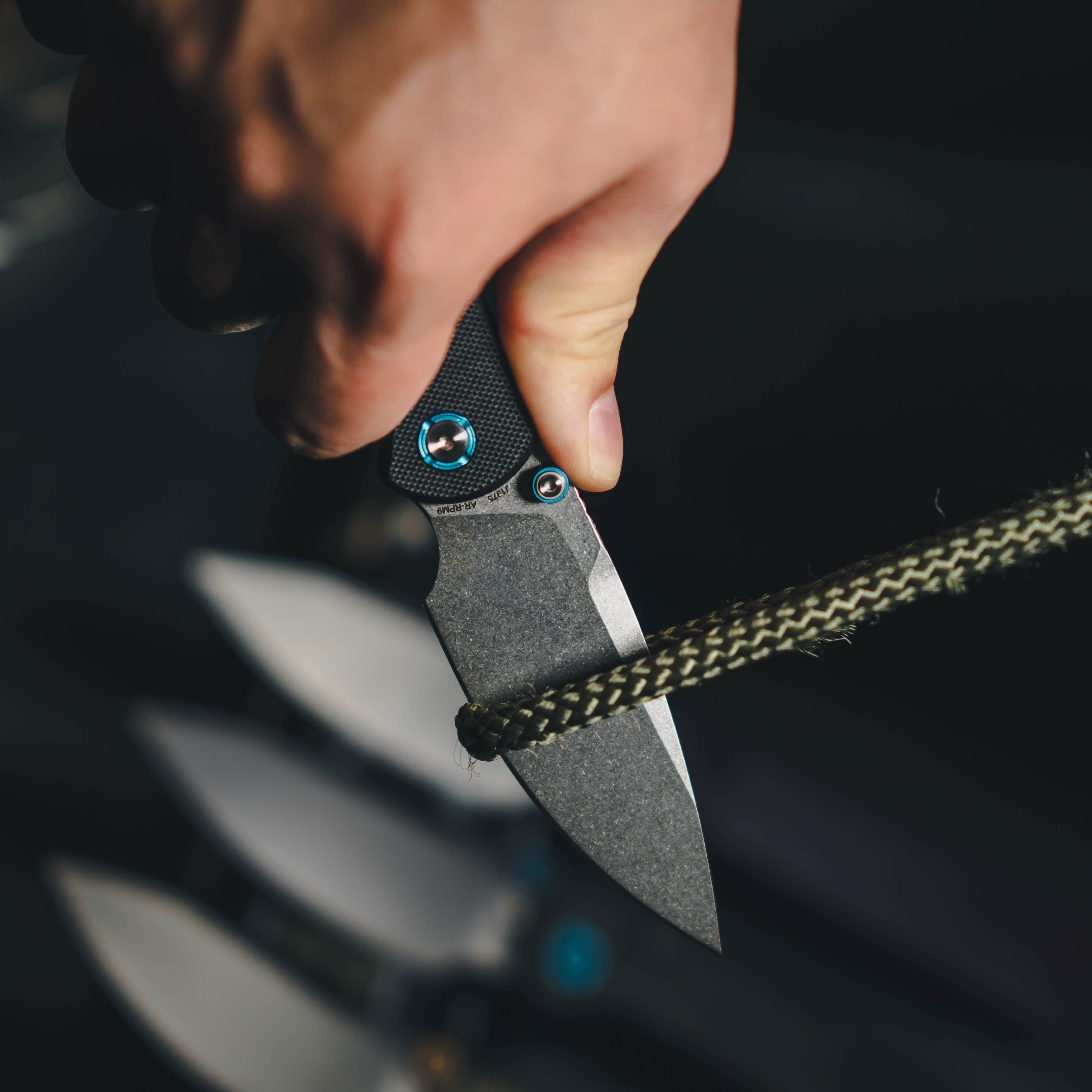
AR-RPM9 is a powder metallurgy (PM) stainless steel developed by Artisan Cutlery and CJRB. It uses advanced powder metallurgy processing to achieve a fine, uniform microstructure. AR-RPM9 offers improved wear resistance and edge retention over conventional 440 series steels while maintaining good corrosion resistance and ease of sharpening.
The powder metallurgy process gives AR-RPM9 a refined grain structure that supports a keen edge with better toughness than similarly hard conventionally produced steels. It is found across many Artisan Cutlery and CJRB models, offering excellent value at accessible price points.
Comparison Table
| Property | D2 | 12C27 | AR-RPM9 |
|---|---|---|---|
| Edge Retention | Excellent | Good | Very Good |
| Corrosion Resistance | Moderate | Very Good | Good |
| Ease of Sharpening | Moderate | Easy | Easy |
| Toughness | Good | Very Good | Very Good |
| Steel Type | Tool Steel | Stainless | PM Stainless |
| Best For | Heavy use, long edge life | Low-maintenance EDC | Performance/value balance |
Choosing the Right Steel
There is no single "best" steel — the right choice depends on your usage patterns. If you prioritize maximum edge retention and don't mind occasional maintenance, D2 is a strong performer. For a set-it-and-forget-it EDC that resists corrosion and sharpens easily, 12C27 is an excellent choice. If you want modern powder metallurgy performance at an accessible price, AR-RPM9 offers the best of both worlds.
For more information on steel properties and blade materials, Knife Steel Nerds offers in-depth technical analysis of knife steel metallurgy.
Browse the full range of blade materials available at Artisan Cutlery to find the steel that matches your carry style.

Leave a comment
This site is protected by hCaptcha and the hCaptcha Privacy Policy and Terms of Service apply.