

What HRC Actually Measures
When a knife manufacturer lists a steel hardness like 60 HRC, it is quoting a result from the Rockwell hardness test. The C scale test presses a diamond cone into the steel with a 150-kilogram-force load and measures how deep the indentation is. The shallower the indentation, the harder the steel, and the higher the number on the scale. It is a fast, cheap, and repeatable way for manufacturers to verify that heat treatment came out consistently.
Cool steel-blue machinery textures set the technical tone for hardness testing.
The Typical Hardness Band for EDC Knives
Most production folding knives are heat treated to somewhere in the 58 to 62 HRC range. That band is not an accident: it is the sweet spot where edge retention is strong enough for everyday cutting without making the edge so brittle that it chips on normal use. Some steels are optimized toward the top of the range for wear resistance, while tough, easy-to-sharpen steels often sit lower.
| Hardness | Character | Typical Uses |
|---|---|---|
| Below 56 HRC | Very tough, easy to sharpen | Large blades, utility and budget steels |
| 58-60 HRC | Balanced, well-rounded | Most everyday carry folders |
| 60-62 HRC | High edge retention, more wear resistance | Premium stainless and powder steels |
| Above 62 HRC | Maximum wear resistance, lower toughness | Specialty cutters and niche applications |
Harder Is Not Automatically Better
Raising hardness improves edge retention and wear resistance, but it comes with real trade-offs. A harder blade is more brittle, meaning a harder edge is more likely to chip or roll when it meets something unforgiving, and it takes noticeably longer to sharpen. A slightly softer blade bends and absorbs impact instead, holds a working edge longer under abusive conditions, and touches up on a strop in seconds. For most EDC tasks, a steel at 58 to 60 HRC with a good geometry will outperform a brittle 63 HRC blade that chips on the first cardboard staple.
Why the Number Is Not the Whole Story
HRC describes one property at one point in time, but real-world performance is decided by the combination of steel chemistry, heat treatment quality, and blade geometry. Two knives at exactly 60 HRC can behave very differently if one was heat treated sloppily. That is why sharpening-focused resources like Science of Sharp emphasize that edge performance is a system: steel, heat treat, grind angle, and edge finish all interact. A high HRC number on a datasheet is a starting point, not a guarantee.
How to Use HRC When Buying a Knife
- Check the manufacturer's published hardness and prefer makers who state it openly
- Match hardness to use: high hardness for light, precise cutting; balanced hardness for rough daily work
- Treat very high hardness numbers with respect — they usually mean more careful sharpening
- Judge the whole package: steel, heat treat reputation, and geometry matter more than one digit
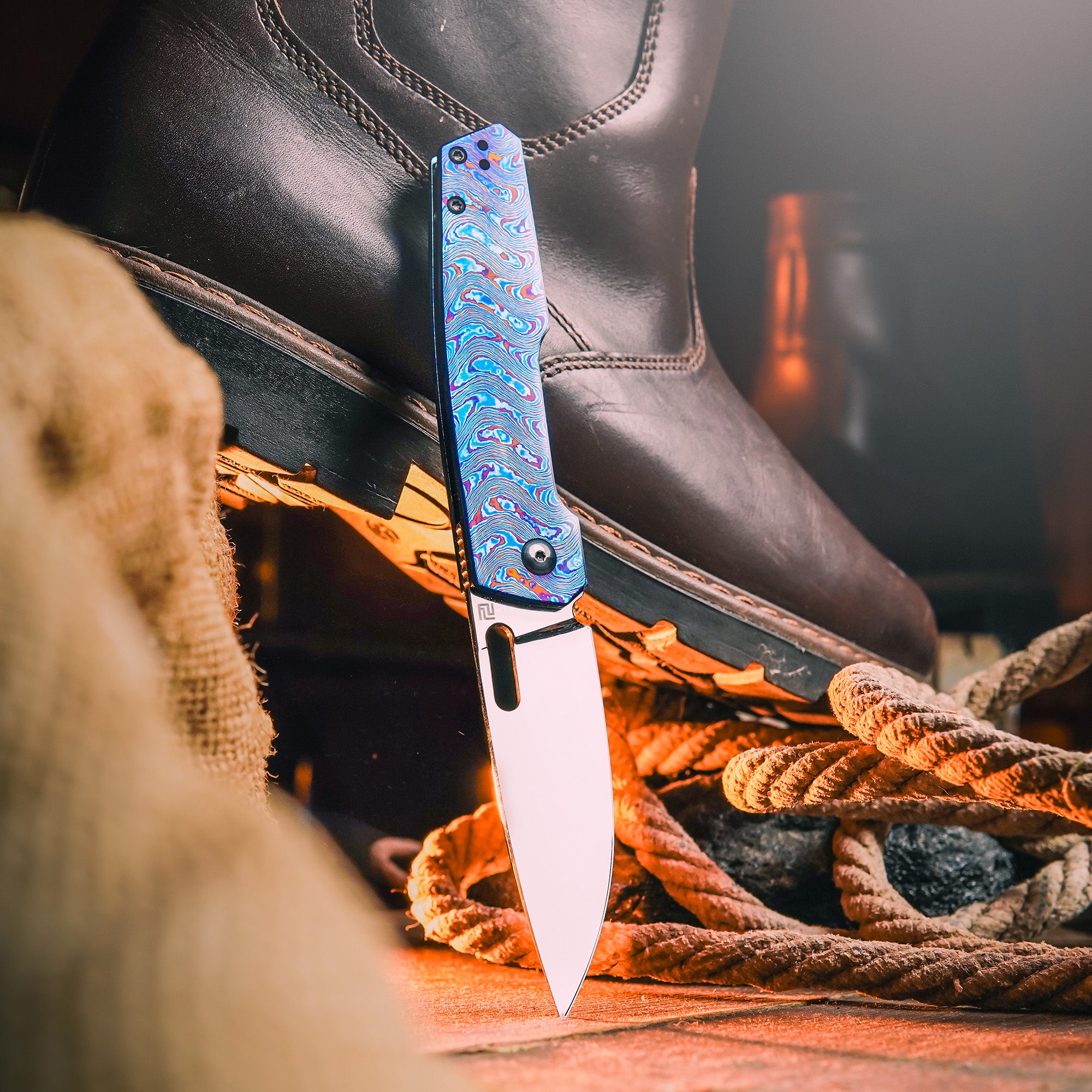
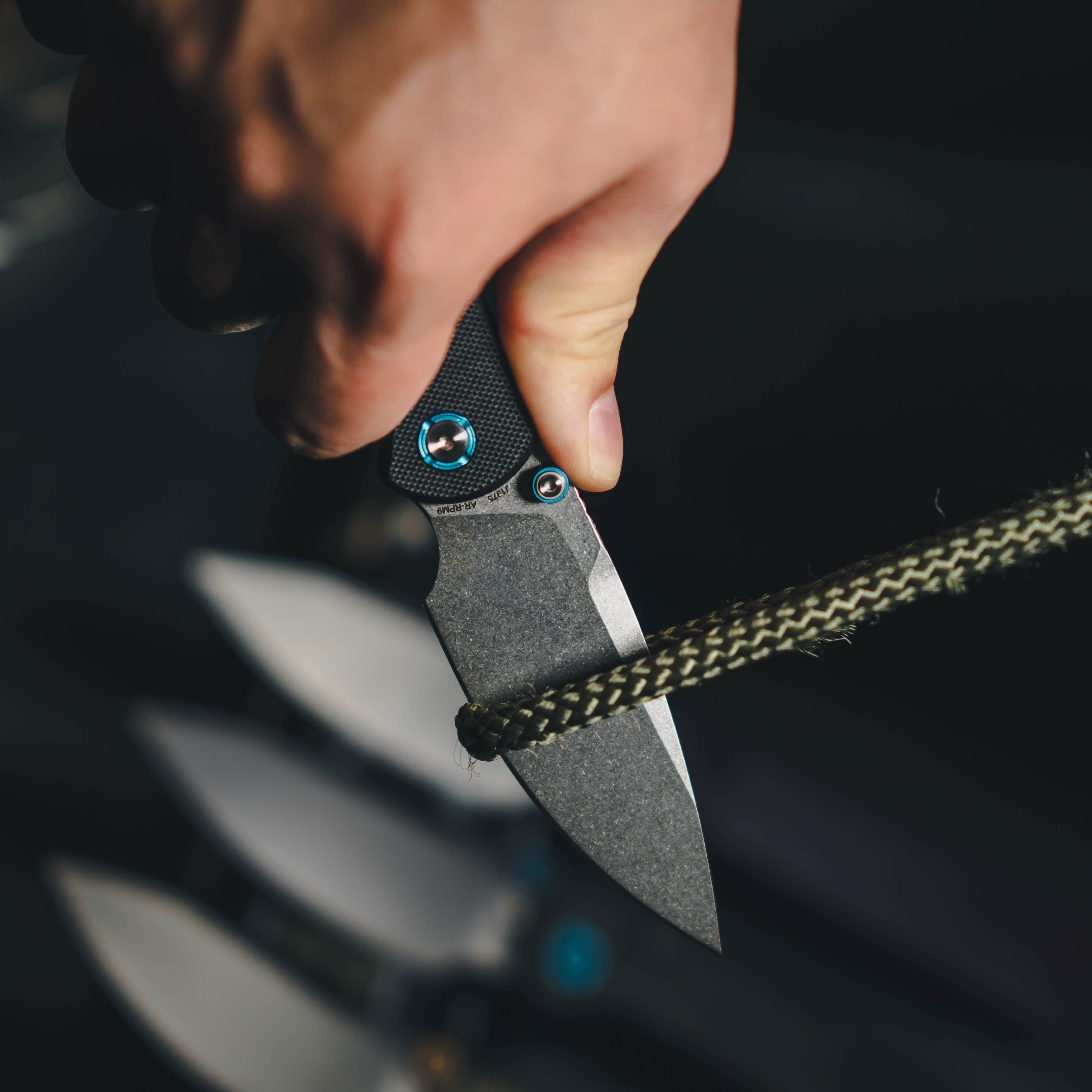
Premium steels like M390 are frequently heat treated toward the top of the EDC range, which is part of why they hold an edge so long. To see how that plays out in practice, the Artisan Cutlery folding knife collection spans steels from D2 to M390, and the Eterno M390 is a good example of the premium end of that spectrum.

Leave a comment
This site is protected by hCaptcha and the hCaptcha Privacy Policy and Terms of Service apply.