

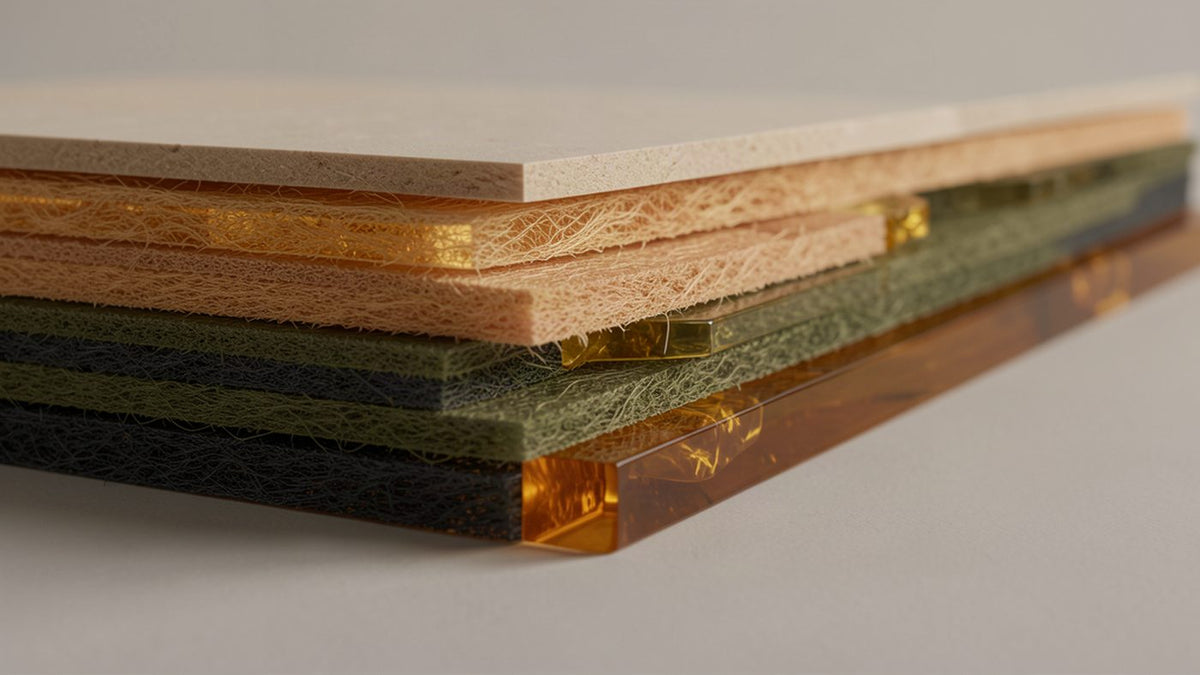
Micarta knife handles are layered fabric — paper, linen, canvas or burlap — impregnated with phenolic resin and pressed under heat until it becomes a solid sheet you can saw, drill and sand like wood. The result is a handle that feels warm instead of plasticky, holds grip when your hands are wet, and develops a darker patina at the contact points rather than chipping or cracking. If you have ever picked up a folder with scales that look like dark denim or old work canvas, you were holding micarta.
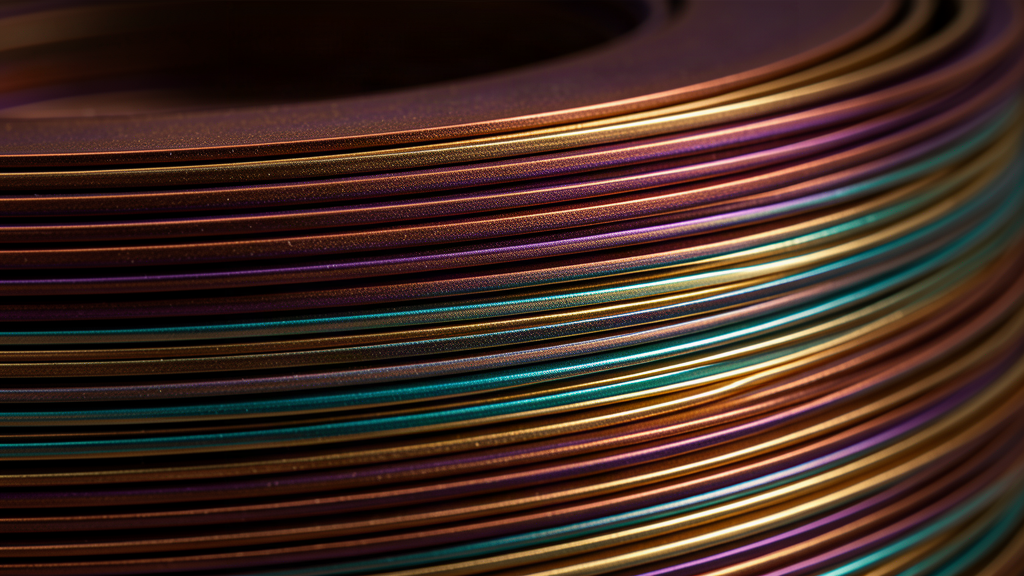
Layered fabric and resin: the structure that gives micarta its grip and its patina.
This guide covers what the material actually is, how the four common types behave differently, how it ages over years of carry, and the care routine that keeps it grippy instead of glassy. It also compares micarta against G10, titanium and wood using published weights from our own catalog, because the "micarta is lighter" claim does not survive contact with a spec sheet.
What Micarta Actually Is
Micarta is a composite of two things: fabric and phenolic resin. Sheets of cloth are stacked, soaked in resin, then pressed and cured at temperature. The fiber gives the material its texture, its grip and most of its strength; the resin binds everything into a single machinable block. The word started as a brand name — Westinghouse developed the material in the early 20th century for electrical insulation — and it has since become generic, the way "kleenex" is generic. Two handles sold as micarta can have very different fiber content and density.
Because it is a laminate, micarta is machinable. Makers can drill it for pivot screws, tap it for clips, sand a palm swell into it, and contour the edges without the material splitting along a grain line. That is the practical reason it shows up so often on folding knives: it tolerates the geometry that a frame lock or liner lock requires.
It is also not one material. The fiber choice changes everything.
The Four Types You Will See on Knives
| Type | Texture | Grip when wet | How it wears | Best suited to |
|---|---|---|---|---|
| Paper | Fine, almost uniform; polishes to a near-wood look | Moderate | Darkens evenly, scuffs buff out | Office and dress carry where texture is a drawback |
| Linen | Visible weave with a subtle diagonal grain | Good | Wears lighter at the high spots, shows character | The all-round choice for a daily folder |
| Canvas | Heavy basketweave, clearly readable from a distance | Best of the four | Darkens strongly; texture stands up to abrasion | Hard use, humid climates, fixed blades |
| Burlap | Coarse and chunky, with a rougher surface | Very good | Most visible wear; can fuzz at sharp corners | Rugged styling on field knives |
Most of what you will see called "micarta" on production knives today is canvas or linen. Paper micarta is the dressy option, burlap the deliberately rough one. None of them is objectively better — they trade refinement for grip.
How Micarta Ages, Honestly
Micarta does not stay factory-fresh, and that is the point of buying it. Three things happen with carry:
- It darkens. Skin oils and sweat soak into the surface fibers and shift the color one or two shades deeper. On olive, tan and natural canvas this reads as a rich patina. On black it is invisible, which is why black micarta looks uniform for years.
- It polishes at the contact points. Where your thumb sits on the ramp and where your palm presses the swell, the weave smooths out. A handle carried two years and one carried two days look different in exactly those places.
- It shows light scuffs rather than hiding them. A knock against a table edge leaves a pale mark. On micarta that mark is usually surface resin, and it buffs or sands out in seconds.
What it does not usually do is crack, warp in humidity the way wood can, or chip the way a thin resin shell might. A hard impact on a thin edge can still take a nick out of any composite. If a handle does fail, it is almost always a void in a low-density blank rather than the material itself giving up.
Micarta Knife Handle Care: How to Clean, Dry and Restore Grip
Routine (once a week of carry)
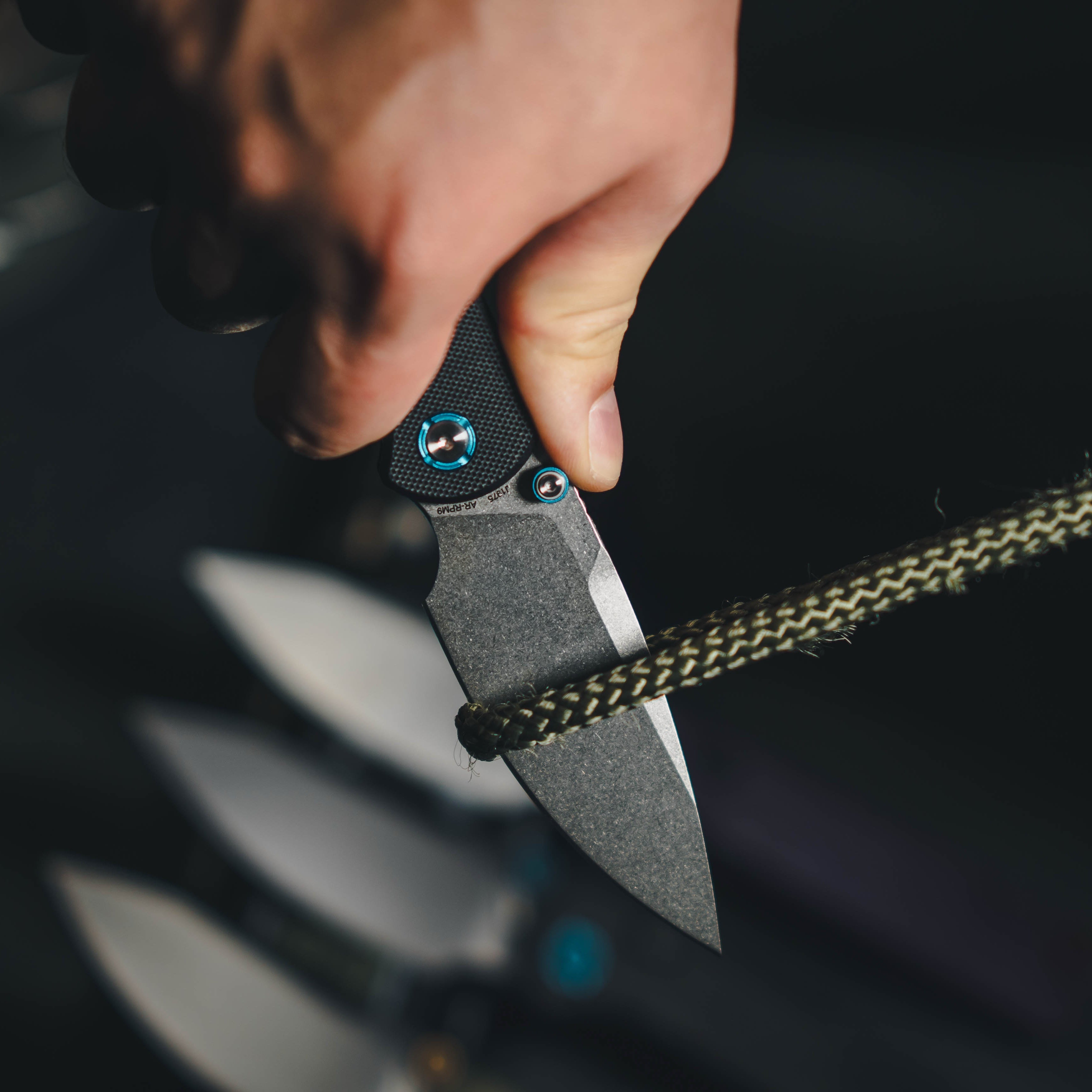
Wipe the scales with a damp cloth and a drop of mild dish soap, then dry them immediately with a towel. That is the entire routine. Micarta is resin-bonded, so it does not need feeding the way wood or stag does, and it does not need oil. Oil is in fact counterproductive: it darkens the fiber unevenly and leaves the surface slicker than it started. Keep the knife out of the dishwasher, out of a soaking sink, and away from acetone, brake cleaner and other strong solvents — those attack the resin binder, not just the finish.
Deep clean (sticky or greasy handles)
Use a soft brush with soapy water, work it into the weave, rinse quickly under running water rather than letting the knife sit in a basin, then blow the water out of the pivot with compressed air or a towel and re-oil the pivot only. Water on micarta is fine for a minute or two; water sitting inside a folded knife is what causes trouble, and that is a steel problem, not a micarta one.
Restoring grip
When the weave has polished smooth and feels like plastic, sand it. Tape off the blade, mask the pivot and any logo you want to keep crisp, then use 400-grit paper with light pressure, followed by 600-grit to blend. Sand with the weave direction, not across it, and stop as soon as the texture returns — you are raising fiber, not reshaping the handle. Wipe the dust off with a damp cloth. Sanding removes the patina, so treat this as a cosmetic decision rather than maintenance: if you like the darkened look, leave the handle alone and just clean it.
Micarta vs G10 vs Titanium vs Wood
| Material | Feel | Weight evidence (Artisan catalog) | Wet grip | Care burden |
|---|---|---|---|---|
| Micarta | Warm, fibrous, textured | Sirius 1849P with DRC micarta: 85 g / 3 oz on a 3.54" S35VN blade | Very good, improves as it wears | Low — wipe and dry |
| G10 | Hard, uniform, slightly cool | Tomahawk ATZ-1815P: 145 g / 5.11 oz in both the micarta and G10 versions | Good when the texture is fresh, slippery once polished | Very low — near inert |
| Titanium | Metal, cool, dense | Centauri ATZ-1839G with titanium and micarta scales: 105 g / 3.7 oz | Fair unless the surface is bead-blasted | Low, but scratches show |
| Wood | Warm, varied, the most "traditional" | Varies widely by species and liner | Good, but needs oiling | Highest — humidity, oil, re-finishing |
The weight row is the part worth reading twice. On the Tomahawk ATZ-1815P, the micarta version and the G10 version are both listed at 145 g. Handle material is not the weight lever most buyers assume it is; blade stock, liners and lock type move the number far more. If you are choosing micarta, choose it for feel, grip and the way it ages — not for a scale-weight savings that may not exist.
Which Artisan Cutlery Knives Use Micarta
The material shows up across the folding line and on at least one fixed blade. A few references, all published specs:
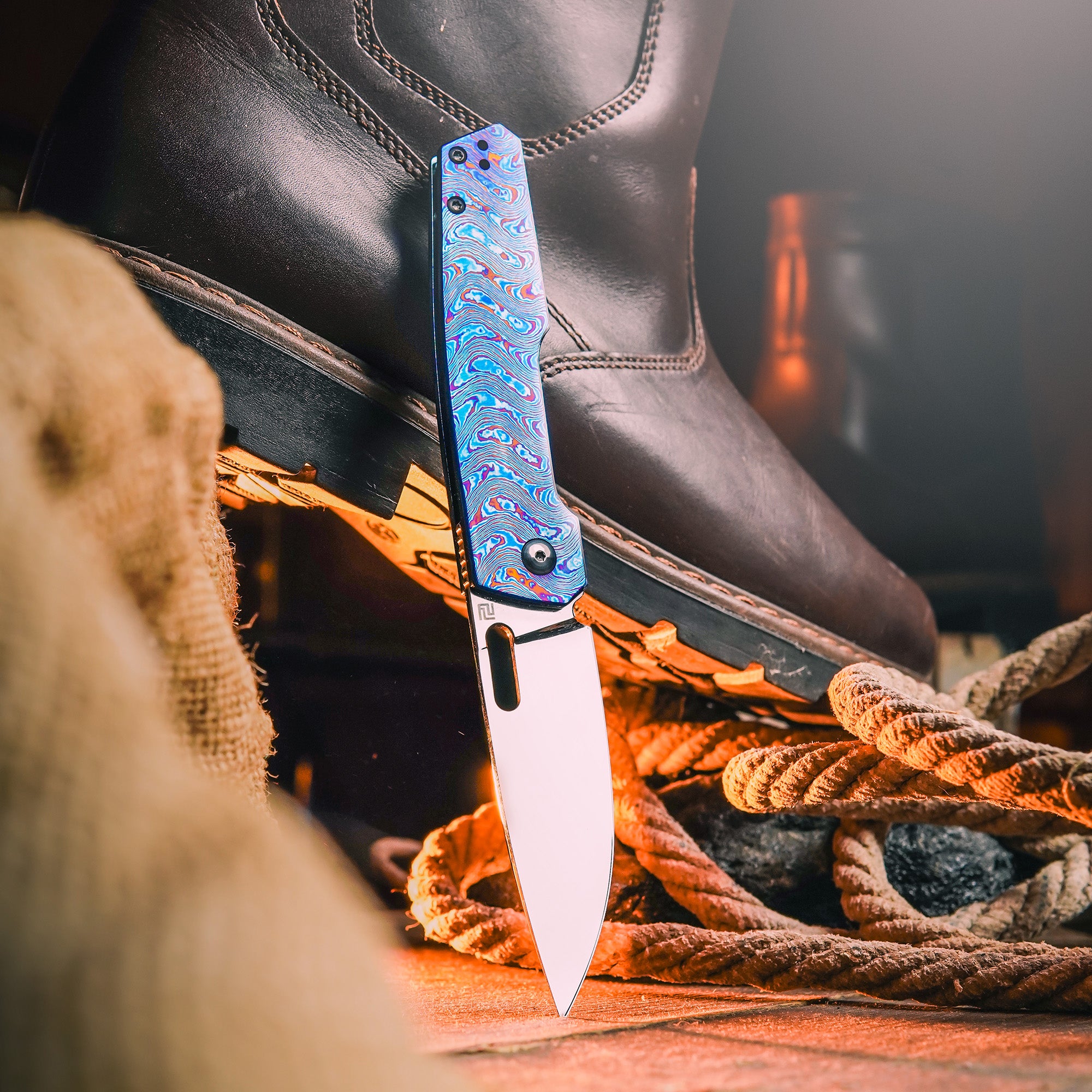
- Sirius 1849P — S35VN drop point, 3.54" (89.88 mm) blade, 0.11" (2.7 mm) stock, HRC59-61, DRC micarta scales, titanium clip, ceramic ball bearing pivot, 85 g / 3 oz. The lightest micarta build in this group.
- Satyr 1852G-ODG — S90V drop point at 3.35", OD green micarta paired with thin titanium scales, frame lock, designed by Chris Ortiz of Cerberus Knives.
- Centauri ATZ-1839G — S35VN drop point, 3.46" (88 mm), 0.13" (3.2 mm) stock, titanium plus micarta handle, ceramic ball bearings, 105 g / 3.7 oz, Ray Laconico front flipper design.
- Arion ATZ-1843G — S35VN spear point, 3.81" (97 mm), double coral micarta with titanium, frame lock. The widest blade in this group.
- Shark ATZ-1707P — D2 drop point, 3.94" (100 mm), 0.15" (3.7 mm) stock, micarta handle, liner lock, 120 g / 4.23 oz.
- Tomahawk ATZ-1815P — D2 drop point, 3.94" (100 mm), micarta handle, liner lock, 145 g / 5.11 oz.
- Sea Snake ATZ-1842B — S35VN fixed blade with micarta handle, limited edition, from the fixed blade side of the catalog.
You can browse the current micarta builds through our folding knives collection, narrow by blade material on the blade material collection, or start with the S35VN builds if you want the stainless option. Fixed blade micarta sits in the fixed blade collection and the limited edition collection.
How to Pick the Right Micarta for You
- Hot, humid, sweaty hands: canvas. It holds grip when everything else is slick, and the darkening reads as patina instead of dirt.
- Office EDC where texture catches on a pocket: paper or linen. Paper micarta on a thin folder disappears in a suit pocket in a way G10 does not.
- You want a knife that visibly ages with you: natural or olive canvas. Paper micarta hides the process.
- Maximum abrasion resistance is the goal: you want G10 or titanium, not micarta. Linen and canvas fiber will polish and fuzz long before G10 shows anything.
- Field knife that will be wet and dirty: canvas or burlap over a steel liner, cleaned and dried at the end of the day. Micarta tolerates the abuse; the phenolic resin binder is what makes that possible.
FAQ
Does micarta need oiling?
No. The resin already seals the fiber. Oil darkens the handle unevenly and makes it slicker. If a handle looks dry, a damp cloth is the fix.
Can micarta handles get wet?
Yes, briefly. Rinse, brush, dry immediately, and blow water out of the pivot. Never soak a folding knife or put it in a dishwasher — the damage there is to the steel and the mechanism, not the scales.
Is micarta grippier than G10?
Fresh canvas micarta is grippier than polished G10, especially wet. Worn, polished micarta and smooth G10 end up in the same place: slick.
Can micarta crack or chip?
Rarely. It is a solid laminate and does not have a grain to split along. A hard impact on a thin edge can take a nick, and a low-density blank with voids can fail, but normal carry does not crack it.
Will my micarta handle change color?
Yes, and permanently. Skin oils and sweat darken it over months, most visibly on natural, tan and olive canvas. Sanding is the only way back, and it removes the patina you spent a year building.

Leave a comment
This site is protected by hCaptcha and the hCaptcha Privacy Policy and Terms of Service apply.