
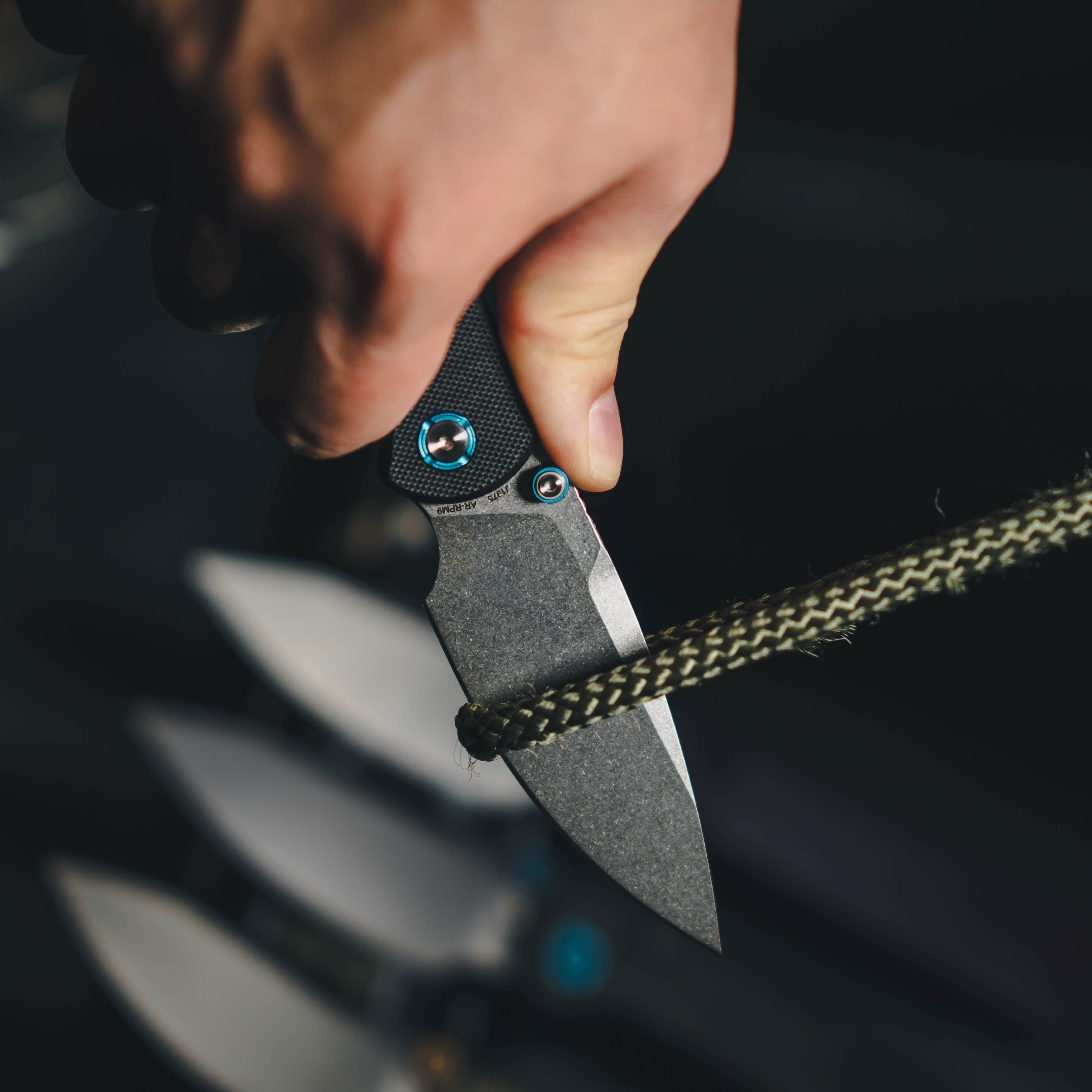
The humble pocket clip is one of the most important yet overlooked features of any EDC folding knife. How your knife clips into your pocket determines draw speed, carry comfort, concealment, and even long-term wear on your clothing. Understanding pocket clip options — from deep carry designs to tip-up vs tip-down orientation — helps you configure your carry for maximum efficiency.

Pocket clip configuration affects every aspect of your EDC knife carry experience.
Pocket Clip Orientation: Tip-Up vs Tip-Down
The orientation of your knife when clipped determines how it sits in your pocket and how you deploy it. Each approach has distinct advantages.
| Orientation | Draw Motion | Deployment | Best For |
|---|---|---|---|
| Tip-Up | Knife emerges handle-first, blade tip up | Flipper, thumb stud, or button — blade ready as handle clears pocket | Thumb stud and flipper knives, right-handed carry |
| Tip-Down | Knife emerges blade-first, handle remains in hand | Spydie-hole or thumb slot — blade opens as knife clears pocket | Spyderco-style opening holes, left-handed carry |
Tip-Up Carry
Tip-up is the most common modern configuration. The knife sits with the blade tip pointing upward toward the clip. When drawn, your thumb naturally lands on the thumb stud or flipper tab, ready to deploy. This orientation works well for most EDC tasks and is the default on the majority of contemporary folding knives.
Tip-Down Carry
Tip-down places the blade tip pointing downward. When drawn, the blade emerges first, and your grip is already established. This can be advantageous for knives with a thumb hole or slot, where the opening motion aligns with the draw. Some users prefer tip-down for left-handed carry as it can provide a more natural deployment angle.
Deep Carry vs Standard Clips
Clip depth determines how much of your knife is visible above the pocket line.
- Standard clip — the knife rides higher, exposing portion of handle above pocket edge. Easier to grip and draw, but more visible
- Deep carry clip — the knife sits lower, with only the clip visible. Better concealment and lower profile, but can be harder to grip during the initial draw
- Ultra-deep carry — the knife sits almost entirely inside the pocket, with minimal clip exposed. Maximum concealment at the cost of draw speed
Clip Position: Left vs Right, Tip-Up vs Tip-Down
Modern EDC knives typically offer multiple clip positions with a four-position configuration system. Reversible clips allow you to move the clip to any corner of the handle, accommodating left or right hand and tip-up or tip-down carry.
- Right-hand tip-up — most common, works for right-handed users drawing from right pocket
- Right-hand tip-down — alternative for right-handed users preferring blade-first draw
- Left-hand tip-up — mirrored for left-handed carry with thumb stud or flipper
- Left-hand tip-down — left-handed blade-first draw
Clip Materials and Styles
Pocket clips come in various materials and designs that affect functionality and aesthetics:
- Sculpted titanium clips — premium, lightweight, corrosion-resistant, often integrated into the handle design
- Spring steel clips — durable and strong, good tension retention over time, common on mid-range knives
- Wire clips — minimalist, low-profile, less pocket wear. Common on deep-carry-oriented knives
- Carbon fiber clips — lightweight and premium, but less spring tension than steel
Common Pocket Clip Issues and Fixes
Even the best pocket clips can develop issues over time. Here's what to watch for:
- Loose clip screws — apply thread-locker (blue Loctite) to prevent backing out
- Loss of tension — gently bend spring steel clips outward; titanium clips may need replacement
- Pocket wear — deep carry clips reduce visible pocket edge wear from repeated insertion
- Hot spots — poorly designed clips create uncomfortable pressure points; aftermarket clips can help
Choosing the Right Clip Setup for Your EDC
Your ideal pocket clip configuration depends on your knife's deployment method, your dominant hand, and your carry preferences. Experiment with different orientations — many knives ship with reversible clips, so try both tip-up and tip-down to see which feels more natural. If concealment matters most, a deep carry clip transforms even a standard knife into a low-profile carry option.
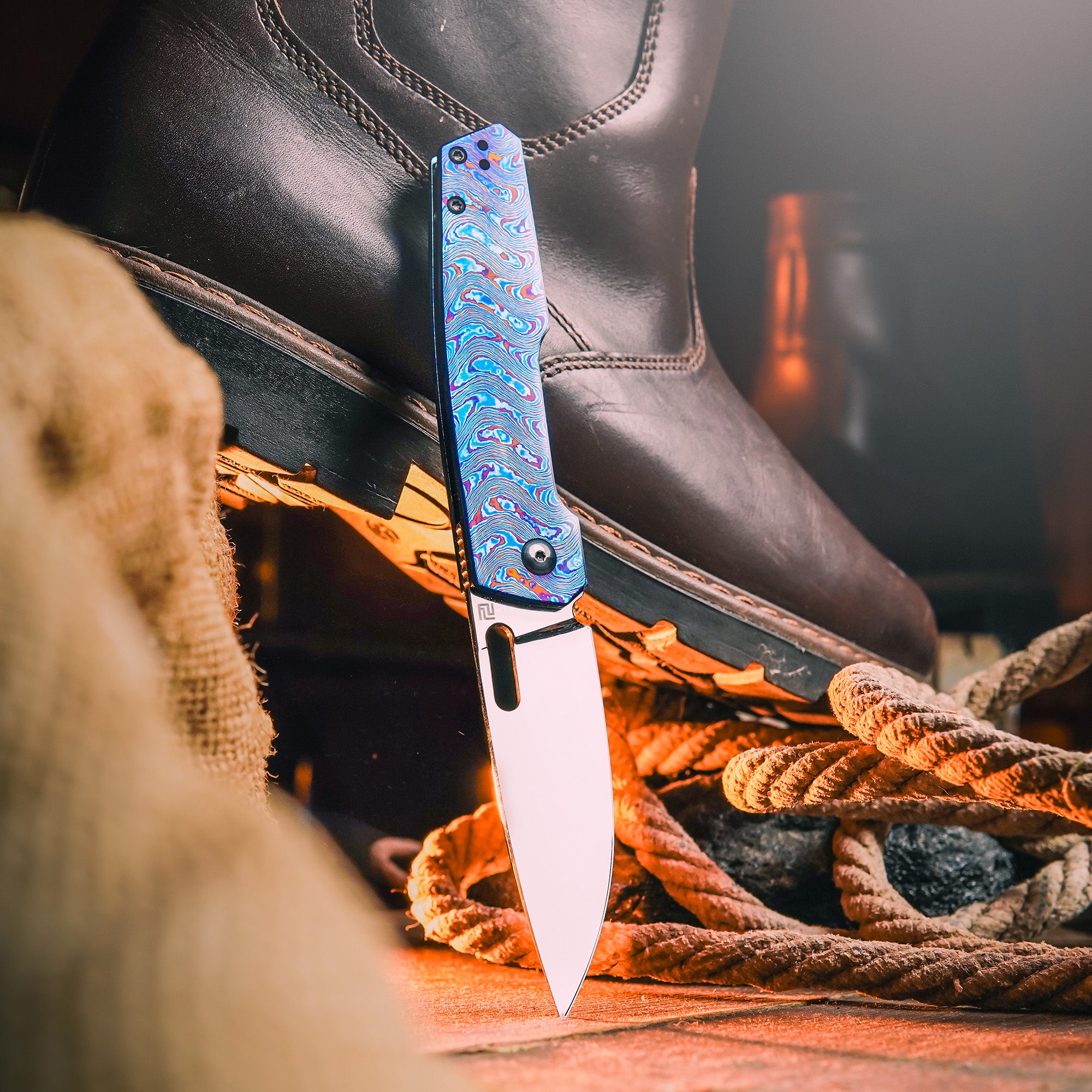
Browse the Artisan Cutlery folding pocket knife collection to see how different clip designs integrate with premium handle materials and ergonomics.
For more on EDC knife mechanisms and carry configurations, Wikipedia's pocket knife article covers the history of clip designs, and Knife Steel Nerds offers insights into the materials used in clip and handle construction.

Leave a comment
This site is protected by hCaptcha and the hCaptcha Privacy Policy and Terms of Service apply.