


The lock mechanism is arguably the most important safety feature on any folding pocket knife. A reliable lock keeps the blade securely open during use and prevents accidental closure that could cause injury. With several pocket knife lock types on the market, understanding how each works — and which suits your needs — is essential for making an informed purchase.

Why Lock Type Matters
A folding knife is only as safe as its locking mechanism. A weak or poorly designed lock can fail under pressure, allowing the blade to fold unexpectedly. The best lock for you depends on how you use the knife, your preferred handedness, and your tolerance for complexity in the mechanism.
The Most Common Pocket Knife Lock Types
Liner Lock
The liner lock is the most common locking mechanism on modern folding knives. A spring-loaded metal liner inside the handle slides behind the blade when it opens, preventing it from closing. To release, you push the liner to the side.
- Pros: Simple, lightweight, easy to operate one-handed, inexpensive to manufacture
- Cons: Can wear over time, prone to grit accumulation, requires some hand strength
- Best for: General EDC, budget to mid-range knives, right-handed users (though ambi versions exist)
Frame Lock
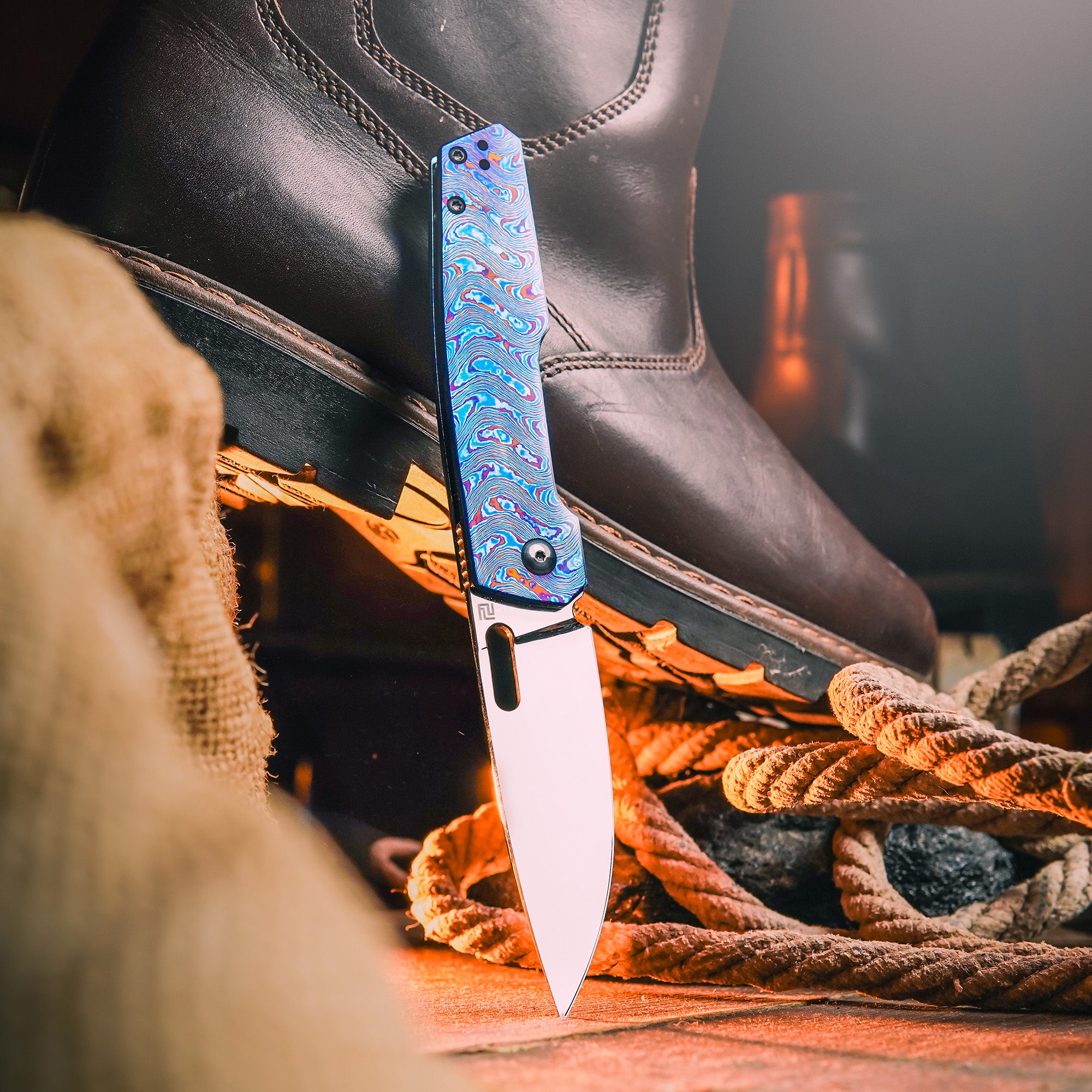
Essentially an integral liner lock, the frame lock uses a cutout in the handle scale itself — typically titanium or stainless steel — that flexes inward to lock the blade. Popularized by Chris Reeve Knives, it is widely considered stronger than a standard liner lock.
- Pros: Very strong, no extra parts to fail, clean aesthetic
- Cons: Can be stiff initially, titanium versions may need an insert for steel-on-steel contact
- Best for: Premium EDC, hard-use tasks, left-handed users (with ambi models)
Axis Lock (Crossbar Lock)
Invented by Benchmade, the Axis lock uses a spring-loaded crossbar that slides back and forth in a slot. When the blade opens, the crossbar snaps into a notch on the blade tang, locking it securely. Pulling both sides of the crossbar back releases the blade.
- Pros: Ambidextrous, smooth operation, very strong, allows blade to drop-shut freely
- Cons: More complex internals, springs can break (though rare), harder to clean
- Best for: Fidget-friendly EDC, ambidextrous users, smooth action enthusiasts
Button Lock
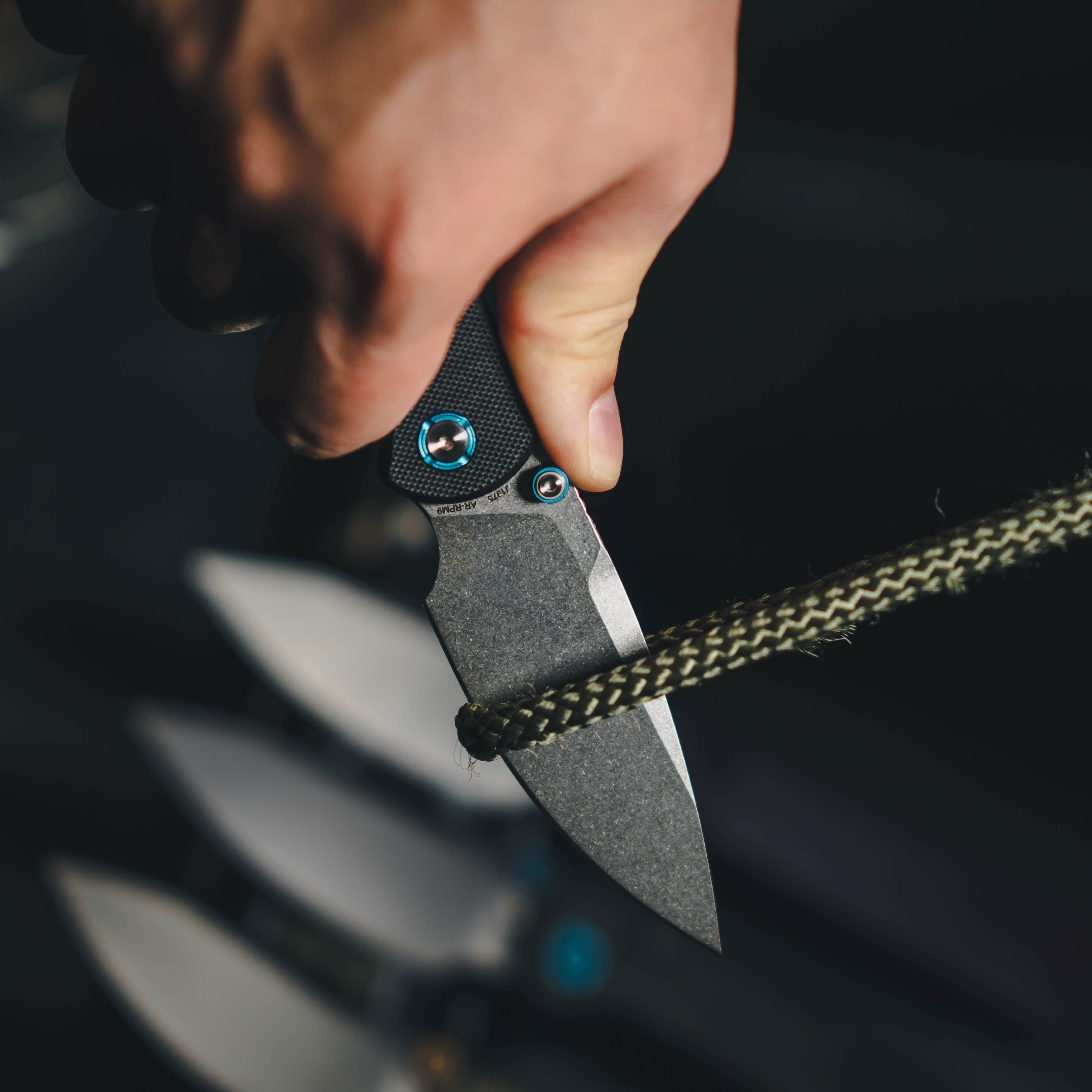
A spring-loaded button on the handle engages a notch in the blade tang. Pressing the button releases the lock, allowing the blade to close. Popularized by knives like the CJRB Pyrite and SOG models.
- Pros: Easy one-handed operation, fidget-friendly, very secure
- Cons: Can be accidentally pressed, slightly more complex mechanism
- Best for: Office EDC, frequent opening/closing, users who want push-button convenience
Lock Type Comparison Table
| Lock Type | Strength | Ambidextrous | Maintenance | Fidget Factor | Price Impact |
|---|---|---|---|---|---|
| Liner Lock | Good | Usually not | Low | Medium | Low |
| Frame Lock | Excellent | Some models | Low | Medium | Medium-High |
| Axis Lock | Excellent | Yes | Medium | High | Medium |
| Button Lock | Very Good | Yes | Low-Medium | Very High | Medium |
Other Lock Types Worth Knowing
- Back Lock: A classic design with a notched spine that engages a rocking bar — strong but requires two hands to close safely
- Slip Joint: Not technically a lock — uses spring tension to hold the blade open, common on traditional pocket knives
- Compression Lock: Spyderco's innovation — like a liner lock but on the spine side, allowing the blade to be closed without fingers in the blade path
- Shark Lock / Tri-Ad Lock: Heavy-duty designs popular on Cold Steel knives for extreme strength
Which Lock Type Should You Choose?
For most everyday carry users, a quality liner lock or frame lock provides all the security you need. If ambidextrous operation matters, look for an Axis lock or button lock. For hard-use tasks like camping or self-defense, a frame lock or back lock offers the most robust engagement. No single lock type is "best" — the best one is the one you trust and can operate comfortably.
Explore our selection of folding pocket knives featuring all of these lock types to find the perfect match for your carry style.


Leave a comment
This site is protected by hCaptcha and the hCaptcha Privacy Policy and Terms of Service apply.