

If you are researching knives online, you have likely encountered two iconic blade styles that frequently dominate search results: the dagger knife and the bowie knife. While both command respect in the knife world, they serve very different purposes and feature fundamentally different designs. Understanding these differences is essential whether you are building a collection, choosing a tactical tool, or simply satisfying your curiosity about blade history.
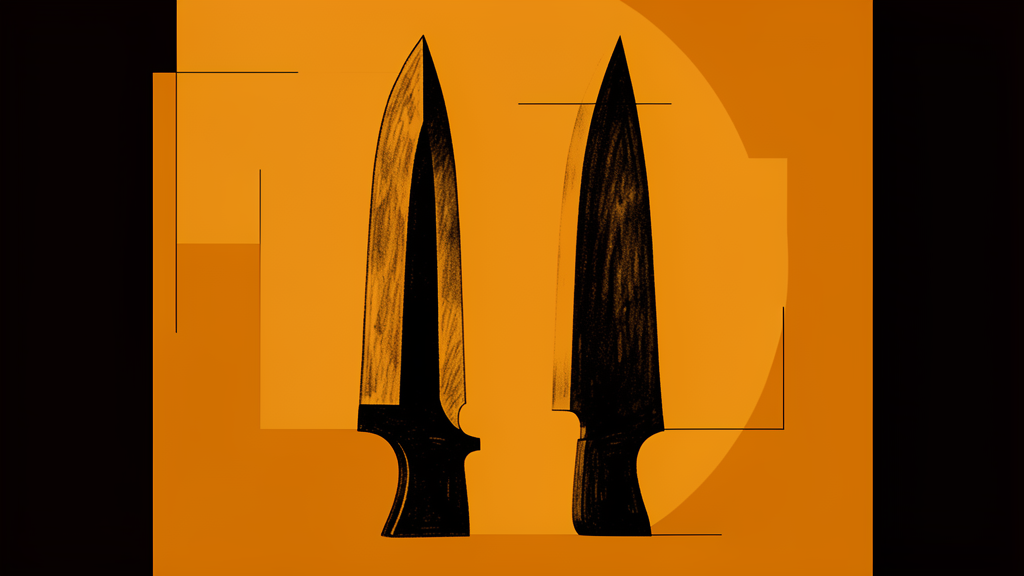
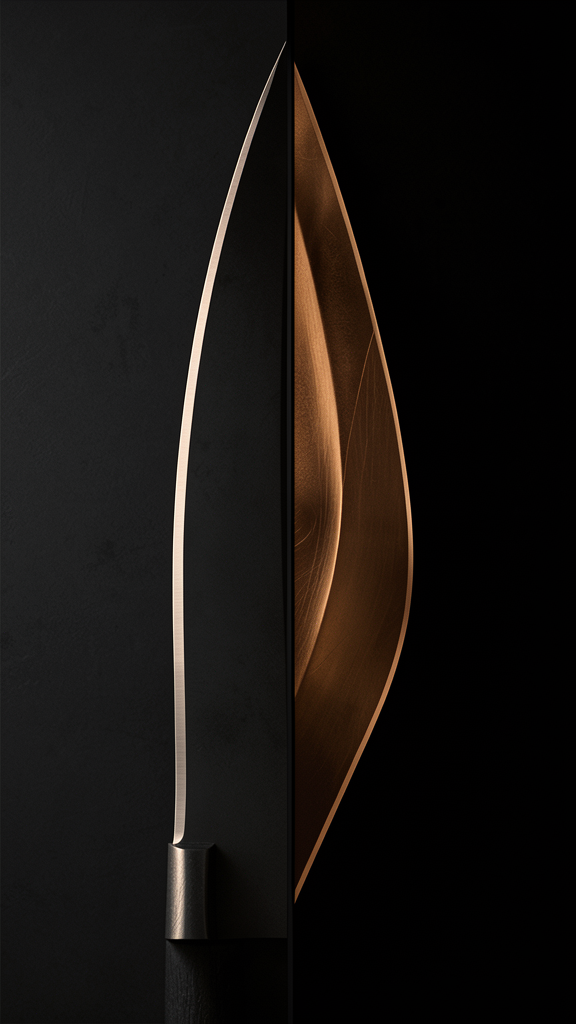
Dagger and bowie knife blade profiles compared side by side
What Defines a Dagger Knife?
A dagger knife is defined by its symmetrical, double-edged blade designed primarily for thrusting. Both edges are sharpened from the tip to the guard, giving the dagger its characteristic piercing capability. Historically used as a fighting weapon, the modern dagger has evolved into a specialized collectible and tactical tool.
- Blade profile: Symmetrical, double-edged, with a pronounced central spine or fuller
- Primary use: Thrusting and piercing — not designed for slashing or chopping
- Typical length: 6 to 12 inches depending on intended application
- Grind: Often a full flat or hollow grind on both sides
- Legal note: Many jurisdictions restrict carrying double-edged blades in public
What Defines a Bowie Knife?
The bowie knife is a legendary American design with a clip-point blade and a single sharpened edge. Made famous by Jim Bowie at the Sandbar Fight in 1827, this knife combines a robust cutting belly with a sharp, controllable tip. It is one of the most copied knife patterns in history.
- Blade profile: Clip-point with a concave "clip" on the spine near the tip
- Primary use: Versatile — cutting, chopping, slashing, and thrusting
- Typical length: 8 to 14 inches, though smaller EDC versions exist
- Grind: Flat or sabre grind on the cutting edge only
- Historical significance: Iconic American frontier design
Side-by-Side Comparison: Dagger Knife vs Bowie Knife
| Feature | Dagger Knife | Bowie Knife |
|---|---|---|
| Edge Count | Double-edged (both sides sharp) | Single-edged (one side sharp) |
| Primary Action | Thrusting / piercing | Cutting / slashing / chopping |
| Tip Design | Centered, acute point | Clip-point, elevated tip |
| Best For | Self-defense, tactical use | Bushcraft, hunting, utility |
| Legal Carry | Restricted in many areas | Widely permitted with length limits |
| Collector Appeal | Historical military pieces | American frontier heritage |
Which One Should You Choose?
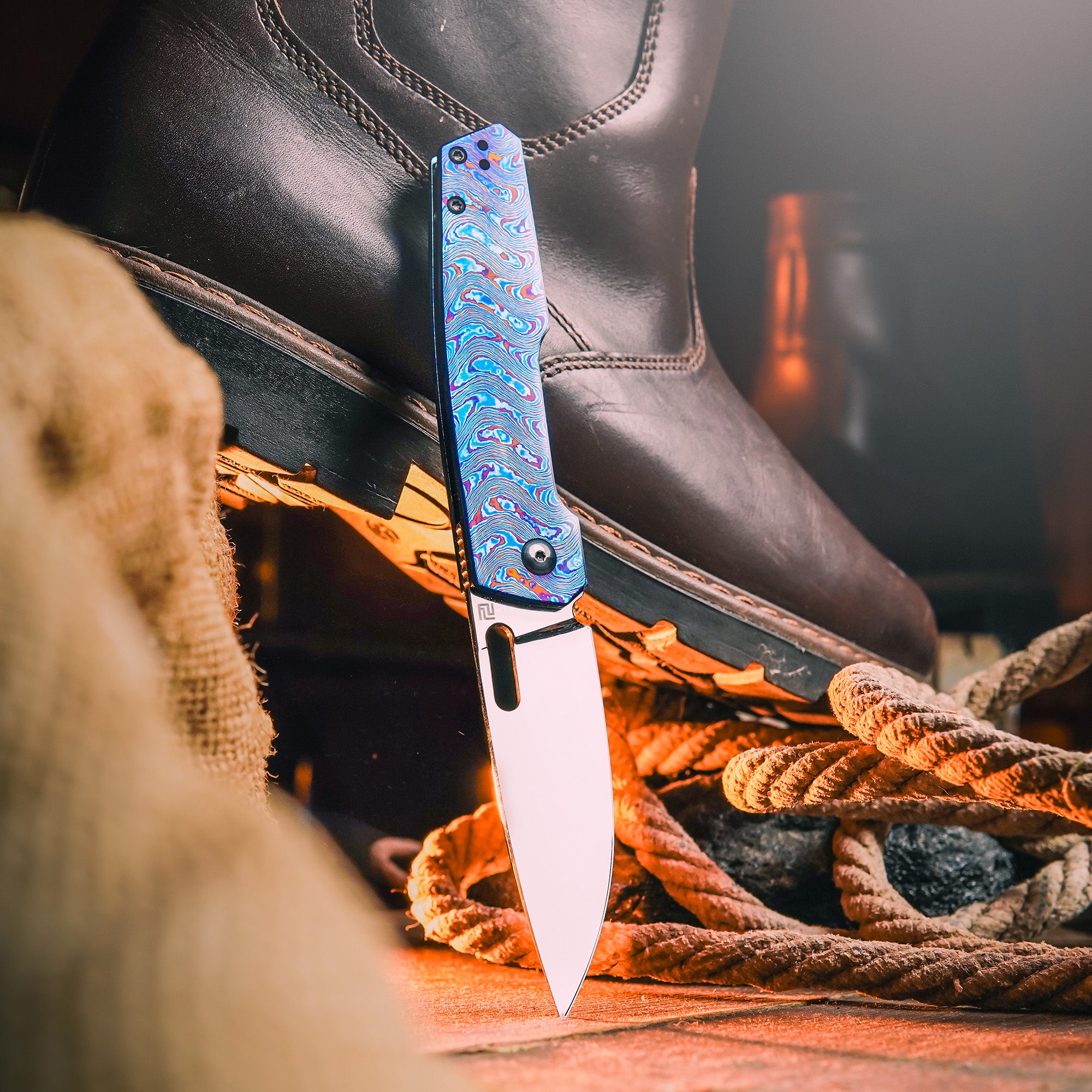
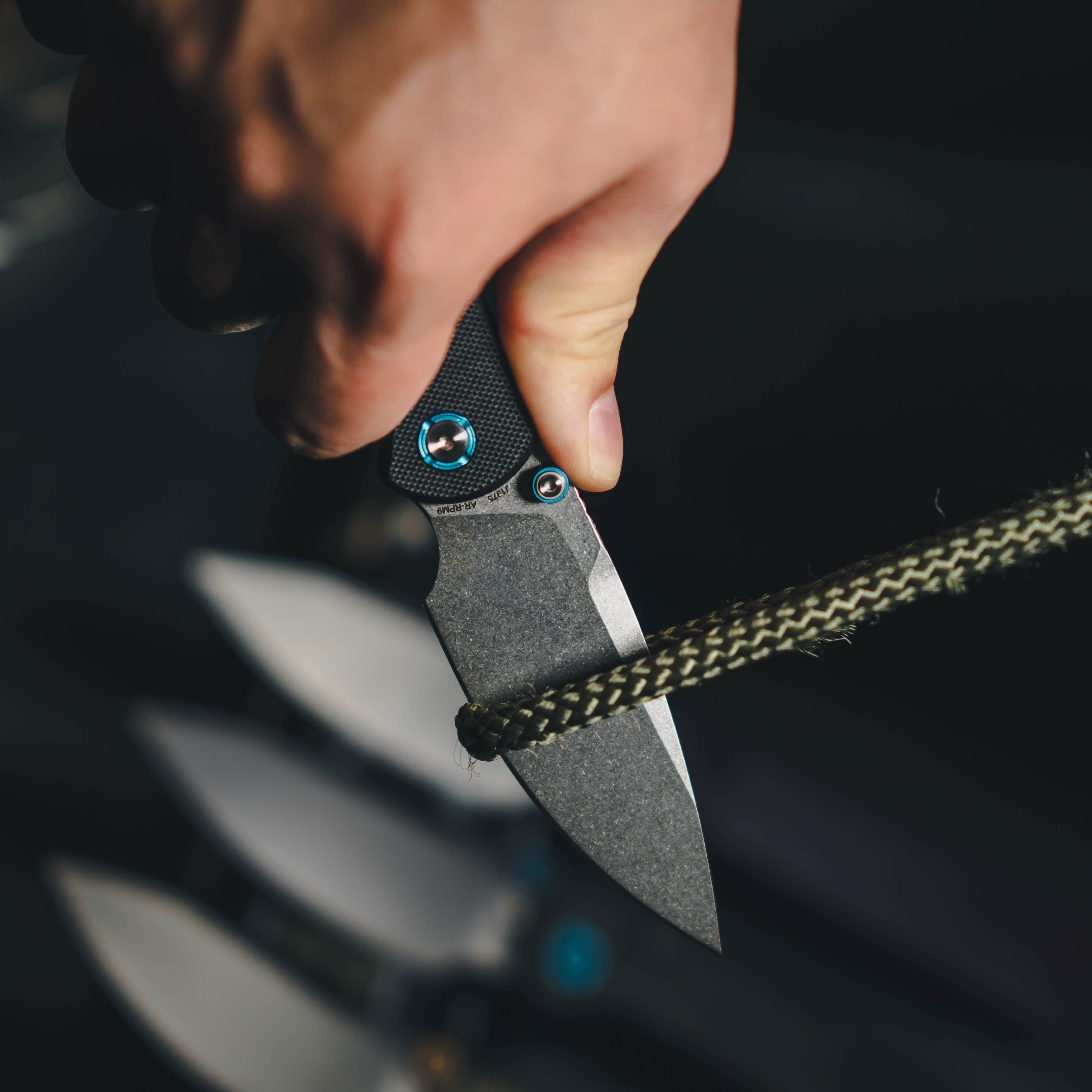
Your choice between a dagger knife and a bowie knife depends on what you intend to do with it. If you are looking for a practical outdoor tool for camping, bushcraft, or general utility, a bowie knife or a folding pocket knife is the better choice. If you are a collector interested in military history or tactical defense pieces, a quality dagger belongs in your display case.
For everyday carry, most enthusiasts prefer a folding pocket knife with a locking mechanism. Browse our selection of folding pocket knives for practical, EDC-friendly designs that combine the best of both worlds.
Final Thoughts
Both the dagger knife and the bowie knife have earned their places in knife history through distinct design philosophies. The dagger excels at one thing — piercing — with lethal efficiency. The bowie knife offers versatility and has stood the test of time as an all-purpose blade. Understanding these differences will help you make an informed decision, whether you are adding to a collection or choosing your next carry knife.


Leave a comment
This site is protected by hCaptcha and the hCaptcha Privacy Policy and Terms of Service apply.