


What Is Powder Metallurgy (PM) Steel?
Powder metallurgy is a manufacturing process that produces steel with a finer, more uniform microstructure than traditional ingot-cast steel. In this process, molten steel is atomized into fine droplets using high-pressure gas, creating microscopic powder particles. These powder particles are then consolidated under high heat and pressure into solid steel billets through a process called hot isostatic pressing (HIP).
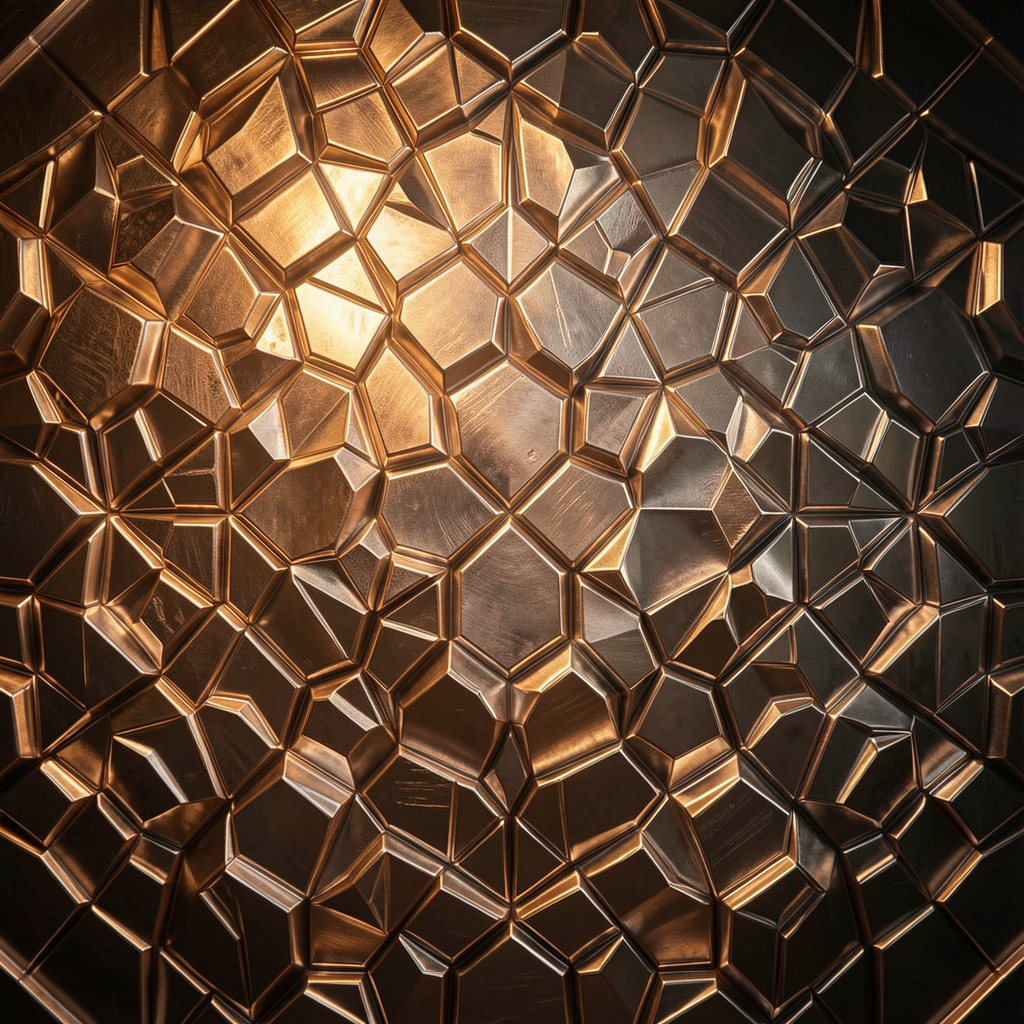
The molecular structure of powder metallurgy steels — uniform carbide distribution for superior edge retention.
The result is a steel with carbides that are smaller and more evenly distributed throughout the matrix, rather than the large, irregular carbide clusters found in conventionally cast steels. This uniform structure translates to better edge retention, improved toughness at the same hardness level, and more consistent sharpening behavior.
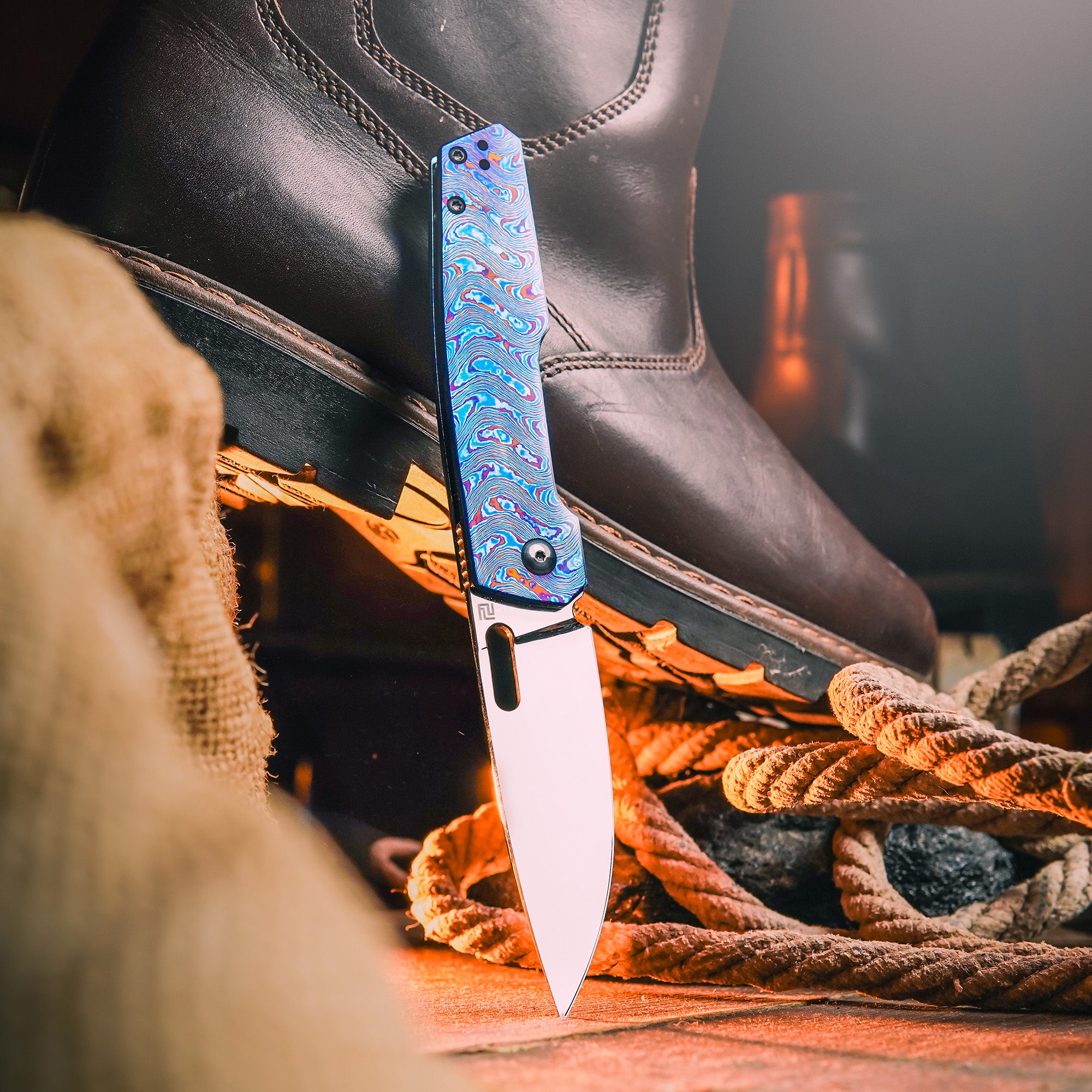
Artisan Cutlery's folding knife collection includes models featuring premium powder metallurgy steels for discerning EDC enthusiasts.
Key Powder Metallurgy Steels in Folding Knives
M390 (Böhler-Uddeholm)
M390 is arguably the most famous powder metallurgy steel in the knife world. Produced by Böhler-Uddeholm in Austria, this martensitic stainless steel contains 20% chromium and 4% vanadium, giving it exceptional wear resistance and corrosion resistance. M390 holds an edge significantly longer than conventional stainless steels and is highly resistant to rust, making it ideal for EDC knives where consistent performance matters.
- Hardness range: 60-62 HRC
- Edge retention: Excellent — among the best of any stainless knife steel
- Corrosion resistance: Outstanding due to high chromium content
- Toughness: Moderate — can be chippy at very acute edge angles
- Sharpening difficulty: Moderate to difficult — high wear resistance resists abrasion
CPM S90V (Crucible Industries)
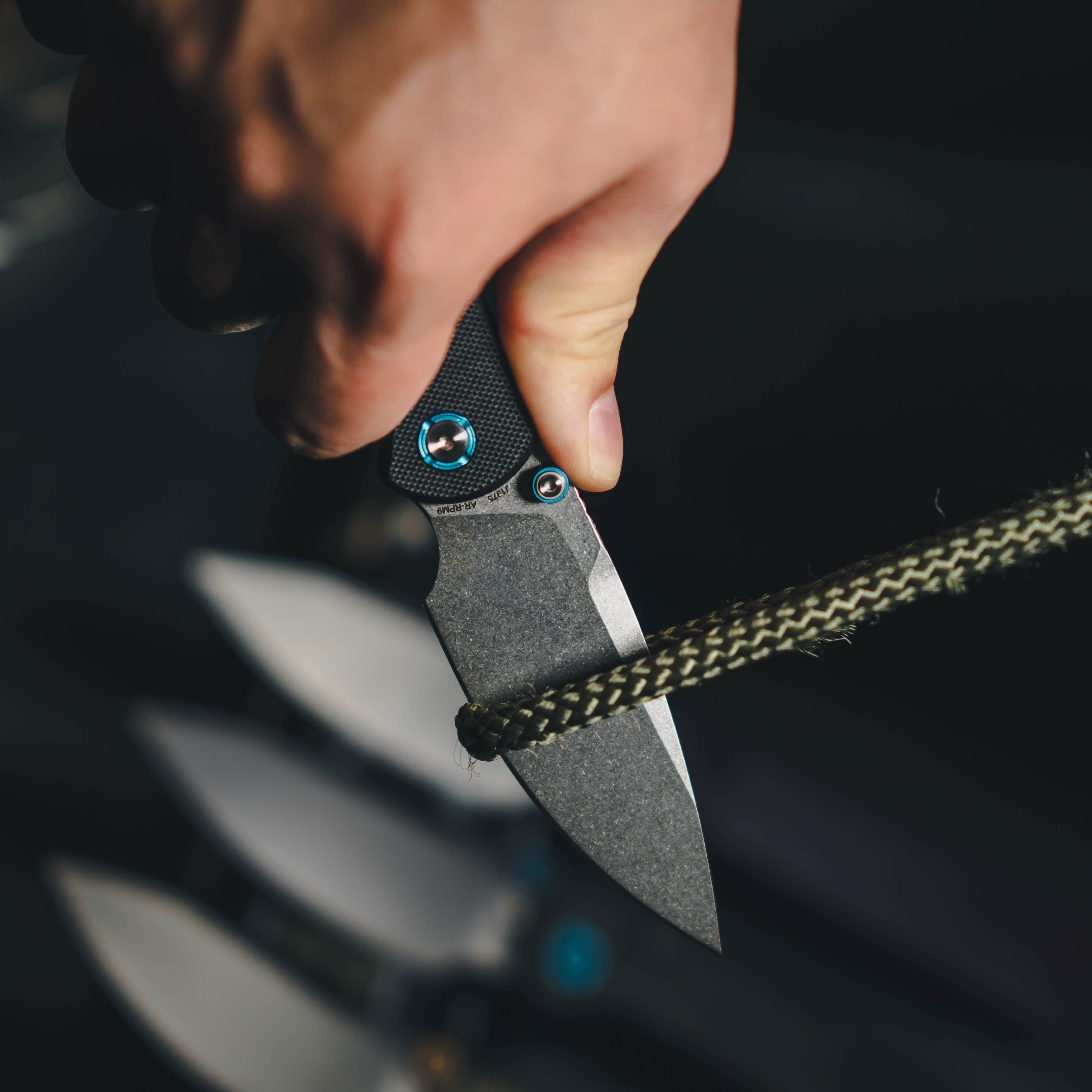
CPM S90V is Crucible's high-vanadium powder metallurgy stainless steel containing 9% vanadium. The massive vanadium carbide content gives S90V extraordinary abrasion resistance. For EDC users who cut abrasive materials like cardboard or rope, S90V holds its edge dramatically longer than most alternatives. However, its extreme wear resistance makes sharpening a challenge without diamond abrasives.
- Hardness range: 58-61 HRC
- Edge retention: Excellent — slightly exceeds M390 in many cutting tests
- Corrosion resistance: Good — adequate for most EDC conditions
- Toughness: Low — more prone to chipping under lateral stress
- Sharpening difficulty: High — requires diamond stones or CBN abrasives
Elmax (Böhler-Uddeholm)
Elmax is another powder metallurgy stainless steel from Böhler-Uddeholm, designed as a balanced performer. With 18% chromium and 3% vanadium, Elmax offers better toughness than M390 while still delivering excellent edge retention. Many knife makers consider Elmax the best all-around PM stainless, as it sharpens more easily than M390 or S90V while still holding an edge significantly longer than conventional stainless steels.
- Hardness range: 60-62 HRC
- Edge retention: Very good — slightly below M390
- Corrosion resistance: Very good — stainless with adequate chromium
- Toughness: Good — better than M390, less chippy
- Sharpening difficulty: Moderate — easier than M390 or S90V
CPM 20CV (Crucible Industries)
CPM 20CV is Crucible's version of M390. The chemistry is nearly identical — both contain approximately 20% chromium, 4% vanadium, and 1% molybdenum. Performance characteristics are essentially the same, and the choice between M390 and 20CV often comes down to brand preference or availability in a specific knife model. CPM 20CV offers the same outstanding edge retention and corrosion resistance as M390.
- Hardness range: 59-61 HRC
- Edge retention: Excellent — equivalent to M390
- Corrosion resistance: Outstanding
- Toughness: Moderate
- Sharpening difficulty: Moderate to difficult
PM Steel Comparison Table
| Property | M390 | CPM S90V | Elmax | CPM 20CV |
|---|---|---|---|---|
| Edge Retention | ★★★★★ | ★★★★★ | ★★★★☆ | ★★★★★ |
| Toughness | ★★★☆☆ | ★★☆☆☆ | ★★★★☆ | ★★★☆☆ |
| Corrosion Resistance | ★★★★★ | ★★★★☆ | ★★★★☆ | ★★★★★ |
| Sharpening Ease | ★★☆☆☆ | ★☆☆☆☆ | ★★★☆☆ | ★★☆☆☆ |
| Wear Resistance | ★★★★★ | ★★★★★ | ★★★★☆ | ★★★★★ |
| Cost | High | High | Moderate | High |
Why PM Steels Matter for EDC
The primary advantage of powder metallurgy steels for everyday carry is edge retention. A PM steel blade can go weeks or months between sharpenings under normal EDC use, compared to days or weeks for conventional steels like 8Cr13MoV or 440C. This consistent cutting performance is especially valuable for users who rely on their knife daily.
However, PM steels come with trade-offs. Their high wear resistance makes them more difficult to sharpen — diamond abrasives are strongly recommended. The higher cost also translates to more expensive knives. For users who sharpen infrequently and prioritize staying sharp over easy maintenance, PM steels are an excellent choice.
When choosing between these premium steels, consider your sharpening setup and typical cutting tasks. If you have diamond stones, M390 or 20CV offers the best balance. If you need maximum edge retention for abrasive materials, S90V leads the pack. For the best all-around performance with reasonable sharpening, Elmax is hard to beat.

Leave a comment
This site is protected by hCaptcha and the hCaptcha Privacy Policy and Terms of Service apply.