

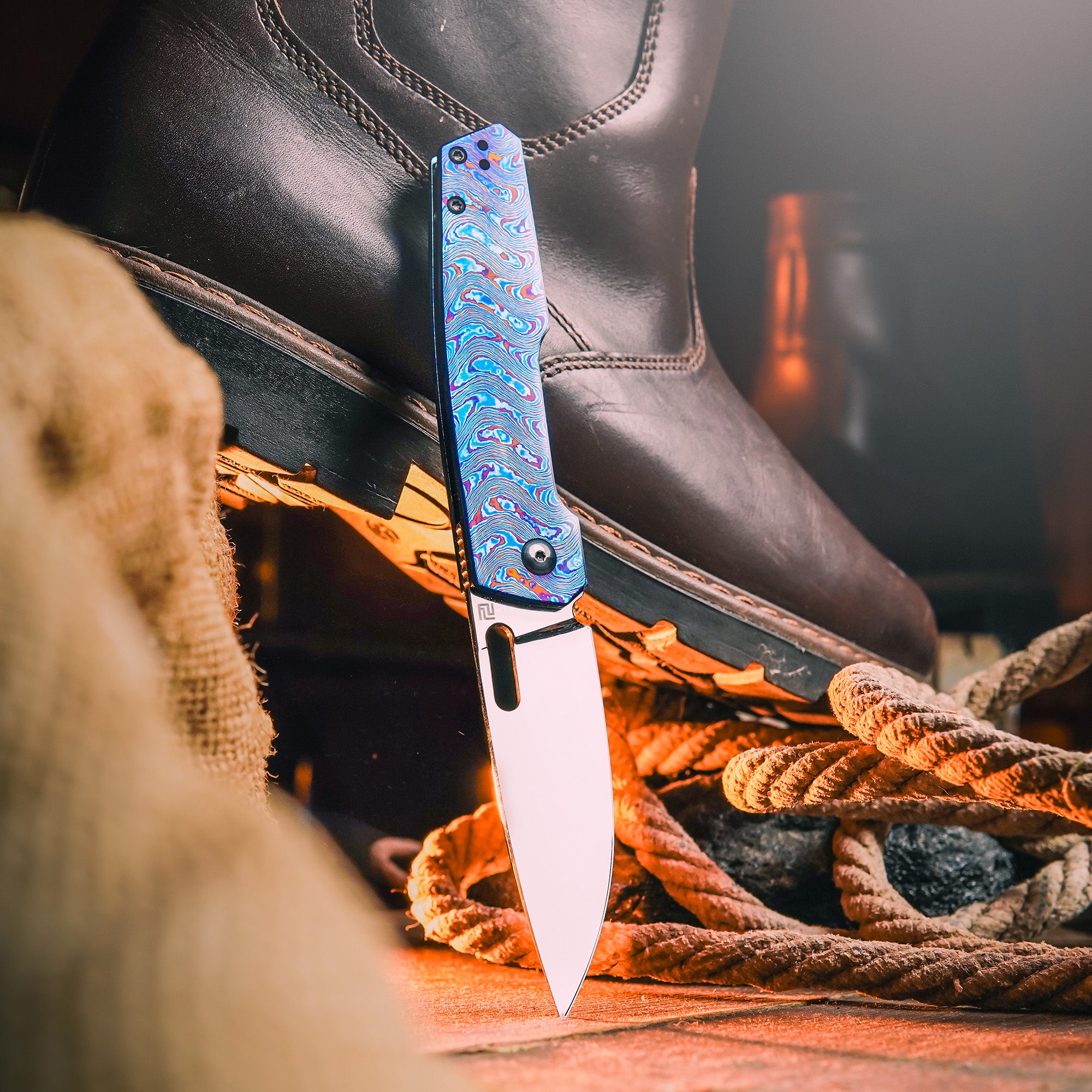
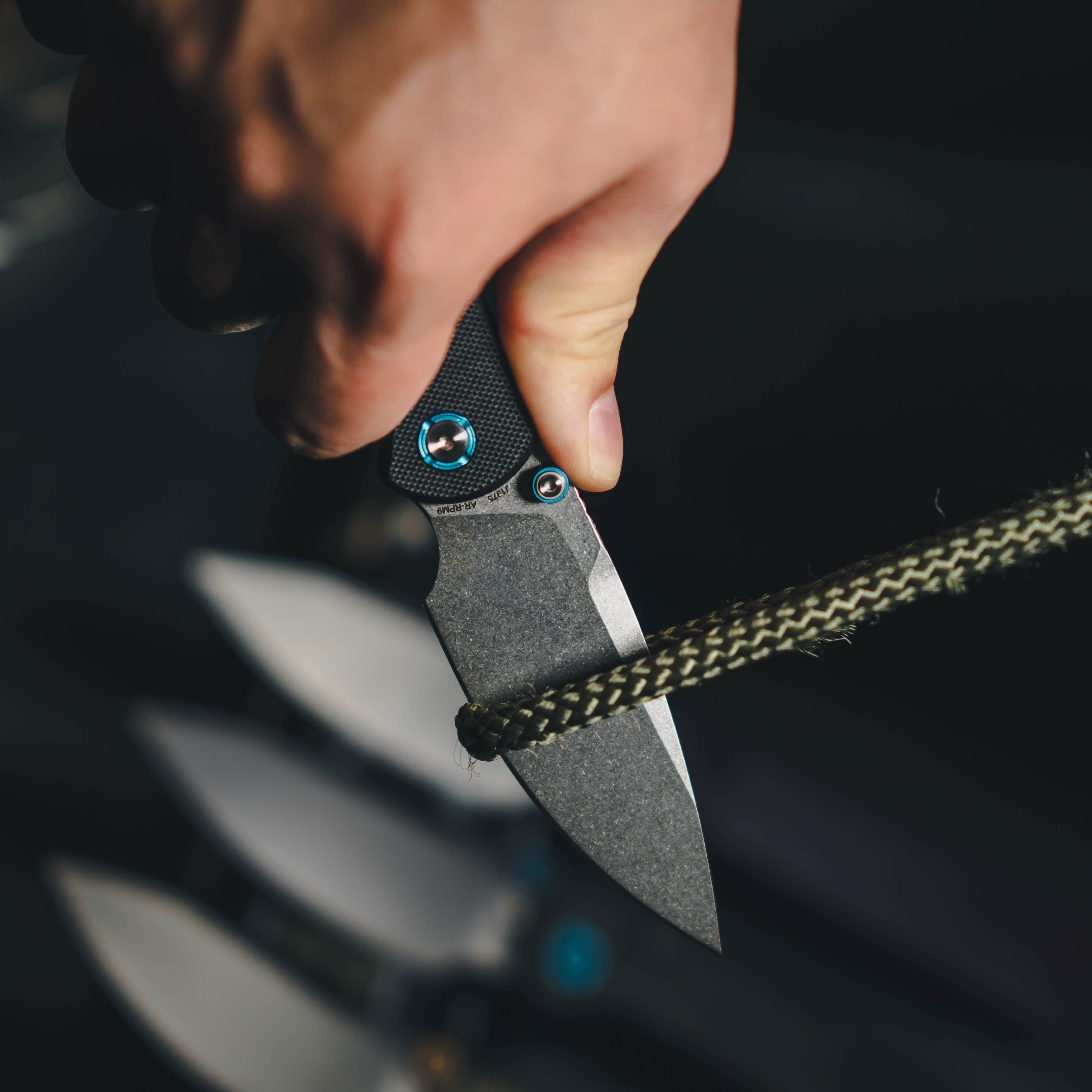
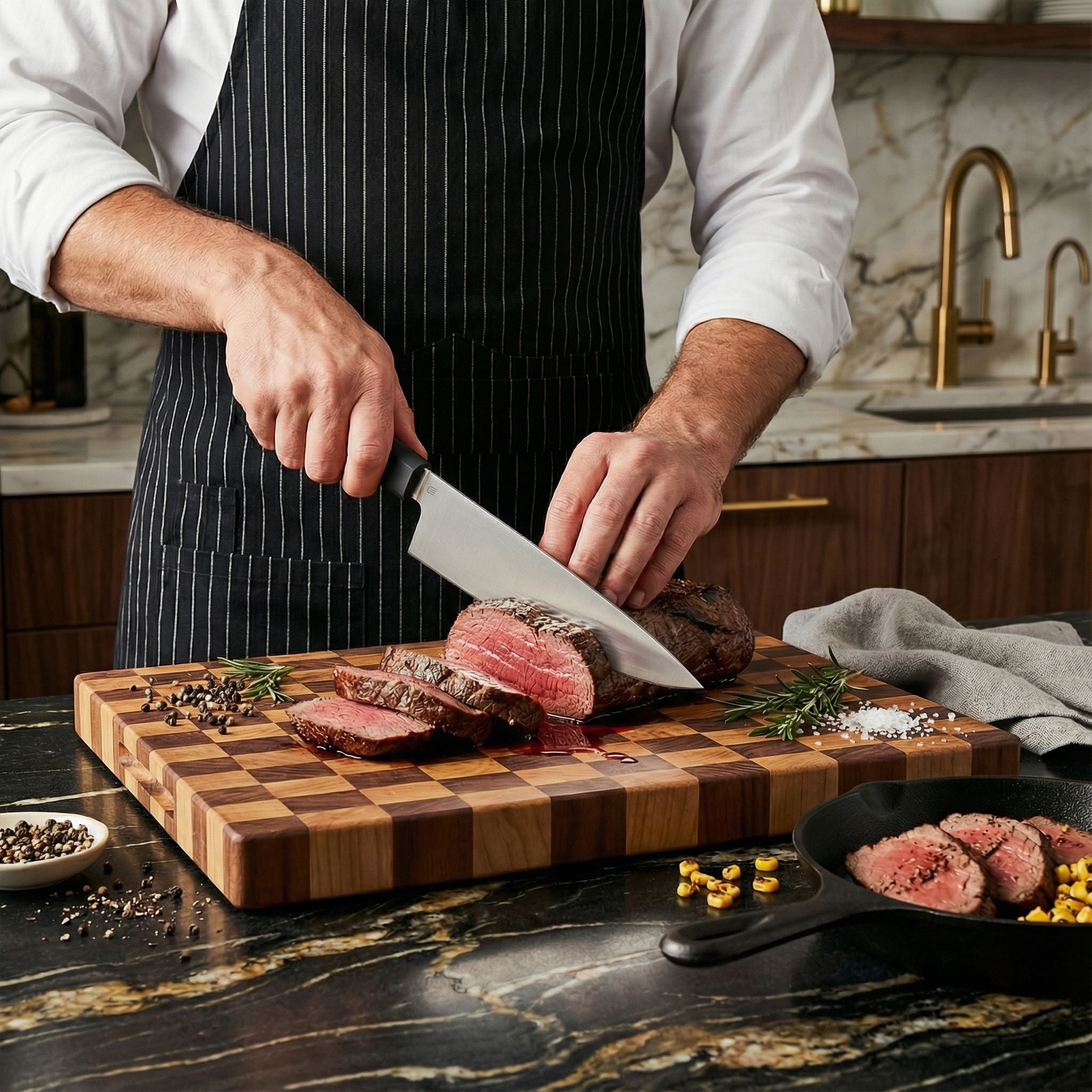

For decades the default pocket knife had no lock at all — just a spring, a blade, and a tradition. Then locking mechanisms took over, and somewhere along the way the humble slip joint started looking like an antique. But the slip joint never went away, and lately it is enjoying a genuine renaissance among everyday carriers who want something light, legal, and unfussy. This guide compares slip joint and locking folding knives across safety, legality, and everyday carry fit, so you can pick the platform that actually matches how you live.
Thin, light, and timeless: the slip joint is the original pocket knife platform.
What Is a Slip Joint?
A slip joint is a folding knife with no locking mechanism. The blade is held open by spring tension — usually a backspring pressing on the blade tang — and it stays open only because that tension holds it in place. Press hard enough against the spine and the blade folds closed, which is exactly the behavior that defines the category. It is one of the oldest folding knife designs still in production, and the mechanics are documented well in the Wikipedia article on the slip joint.
How Slip Joints Work: Spring Tension Explained
The personality of a slip joint lives in its backspring. A firm spring keeps the blade positively anchored open for normal cutting; a soft one feels mushy. Many classic slip joints also offer a half-stop, a detent position halfway between open and closed where the blade rests without closing on your fingers. That half-stop is a safety feature and a fidget feature in one, and it is one of the reasons the platform still charms carriers today.
Locking Knives: A Quick Refresher
Locking folders — liner locks, frame locks, button locks, crossbar locks, and lockbacks — mechanically fix the blade open until the user releases the lock. They allow one-handed operation, aggressive cutting without the blade folding, and heavier-duty use. They also carry more moving parts, more complexity, and in some places more legal restrictions. For a deeper dive on the mechanisms themselves, our earlier comparison of button lock vs crossbar lock vs liner lock covers the modern options in detail.
Safety and the Locking Question
Safety cuts both ways. A locking knife cannot fold on your fingers during hard use, which is a genuine safety advantage when you are bearing down on a cut. A slip joint, by design, folds under enough pressure — but that same behavior means it is nearly impossible to have the blade snap shut on your hand in the pocket, and many carriers find the spring-loaded feel more predictable for light tasks. The right answer depends on what your cutting actually looks like: heavy, sustained work argues for a lock; quick, light, everyday tasks are slip joint territory.
Legality: Where Slip Joints Win
This is the slip joint's biggest modern advantage. Several jurisdictions restrict locking knives, one-hand opening knives, or both — while leaving traditional non-locking folders legal to carry. If you travel between states or live somewhere with knife laws that single out locking blades, a slip joint is the carry that keeps you compliant without giving up a real cutting tool. Always check local law before carrying anything, but the slip joint is the safest legal bet in the widest range of places.
Everyday Carry Fit: Weight, Profile, and Pocket Presence
Slip joints tend to be thinner, lighter, and more pocket-friendly than their locking counterparts because they skip the lock bar, the liners it needs, and the extra machining. A slim two- or three-blade slip joint disappears into a trouser pocket and opens with two hands in a way that feels deliberate and civilized. Locking folders, by contrast, usually trade some bulk for one-hand deployment and heavier construction. Neither is better — they are different shapes of pocket presence.
Slip Joint vs Locking: Comparison Table
| Factor | Slip joint | Locking folder |
|---|---|---|
| Blade security under load | Folds under heavy pressure | Locked open |
| One-hand opening | Usually two-handed | Yes, typically |
| Weight and profile | Thin and light | Bulkier |
| Legal friendliness | Widest legal acceptance | Restricted in some areas |
| Maintenance | Minimal, few parts | More parts, more to service |
| Character | Traditional, timeless | Modern, technical |
Which Should You Choose?
Choose a slip joint when you want a slim, traditional, legally safe carry for light everyday tasks — the knife your grandfather would recognize and your local laws will not argue with. Choose a locking folder when your cutting is heavier, faster, or one-handed, or when you simply prefer the modern platform. And if you carry more than one knife, the best answer is both: a locking folder for work, a slip joint for everywhere else.
Whether you prefer a modern lock or a traditional feel, the Artisan Cutlery folding knife collection has premium options built for reliable everyday carry.



Leave a comment
This site is protected by hCaptcha and the hCaptcha Privacy Policy and Terms of Service apply.