

The locking mechanism is the heart of any folding knife — it keeps the blade securely open during use and prevents accidental closure. Among the most common modern locking systems are button locks, crossbar locks (often called Axis-style locks), and liner locks. Each has distinct engineering trade-offs in terms of strength, durability, and long-term reliability for everyday carry. This guide compares these three locking mechanisms to help you choose the most durable option for your EDC needs.
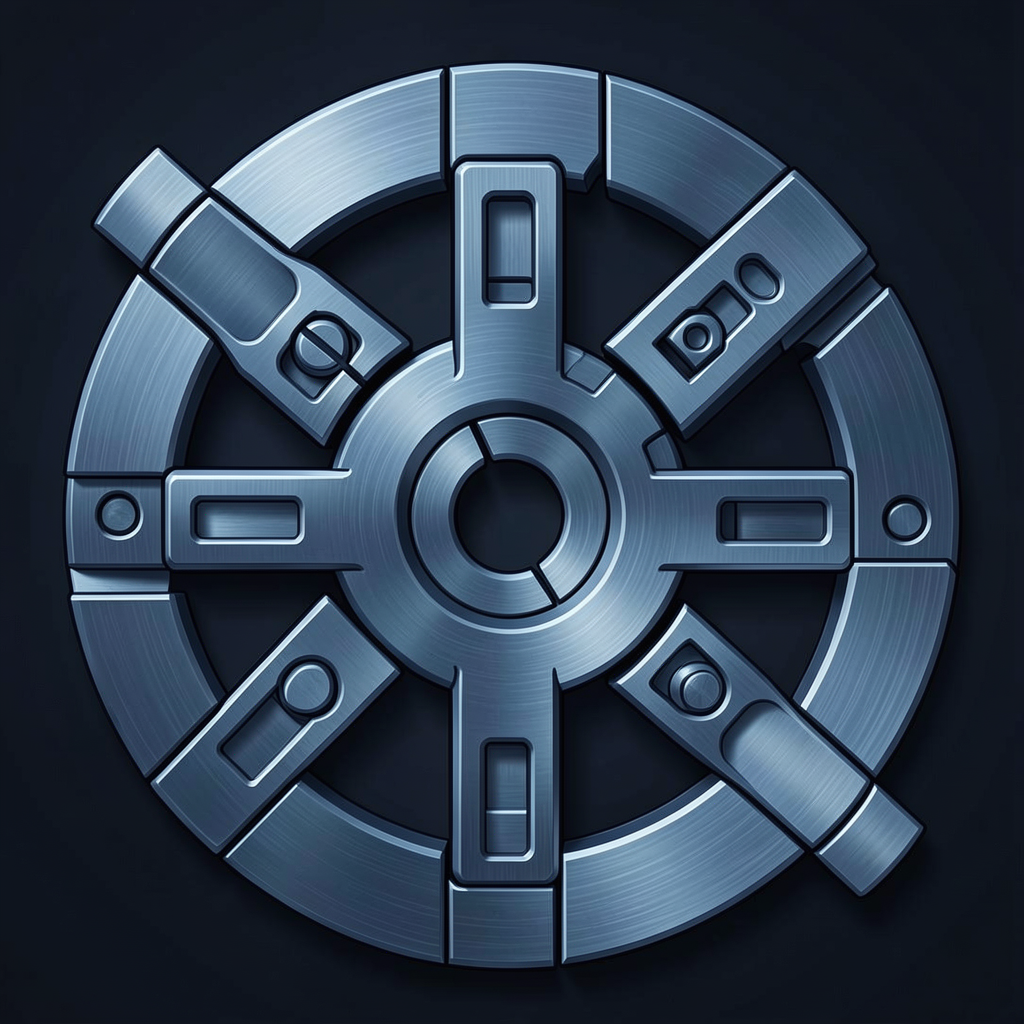
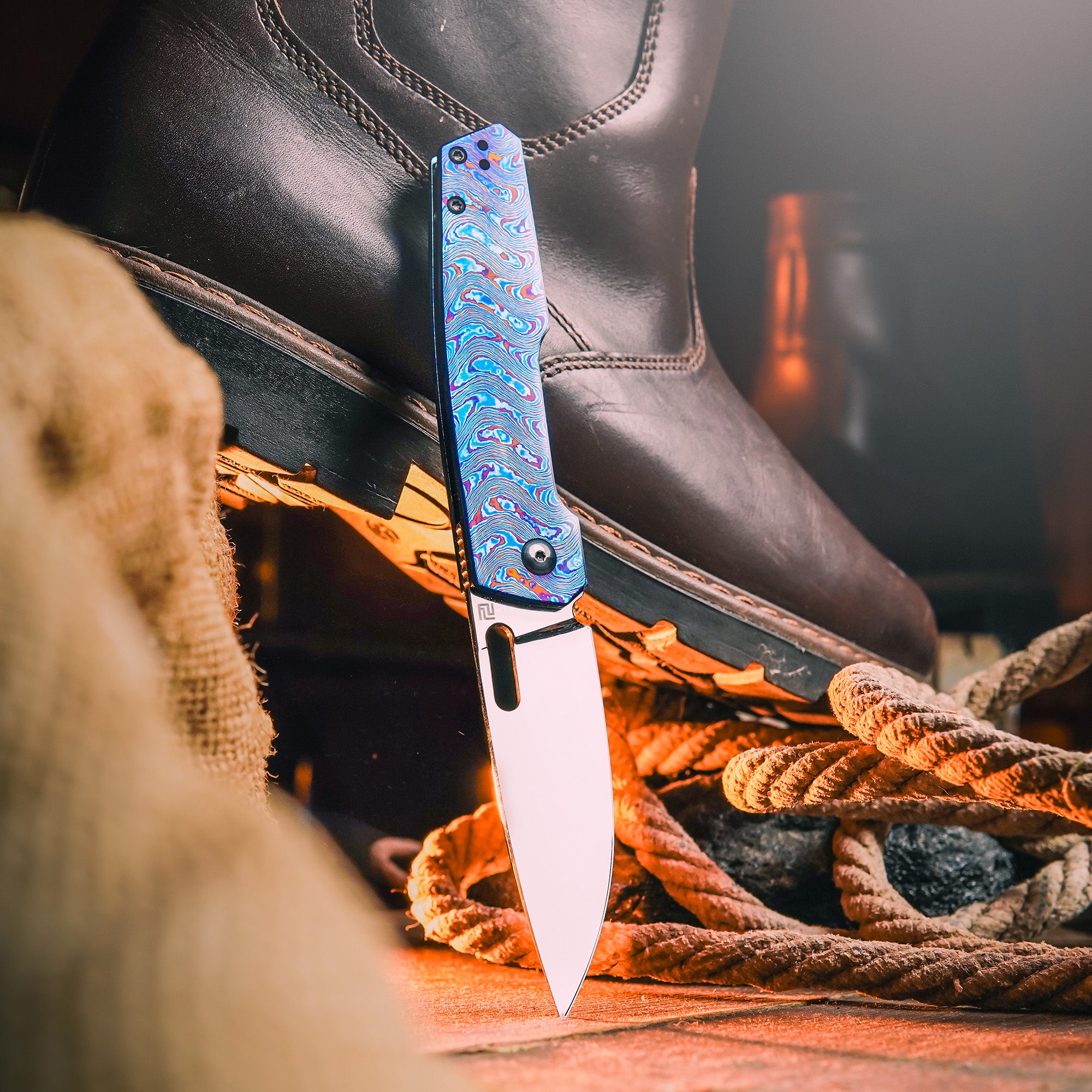
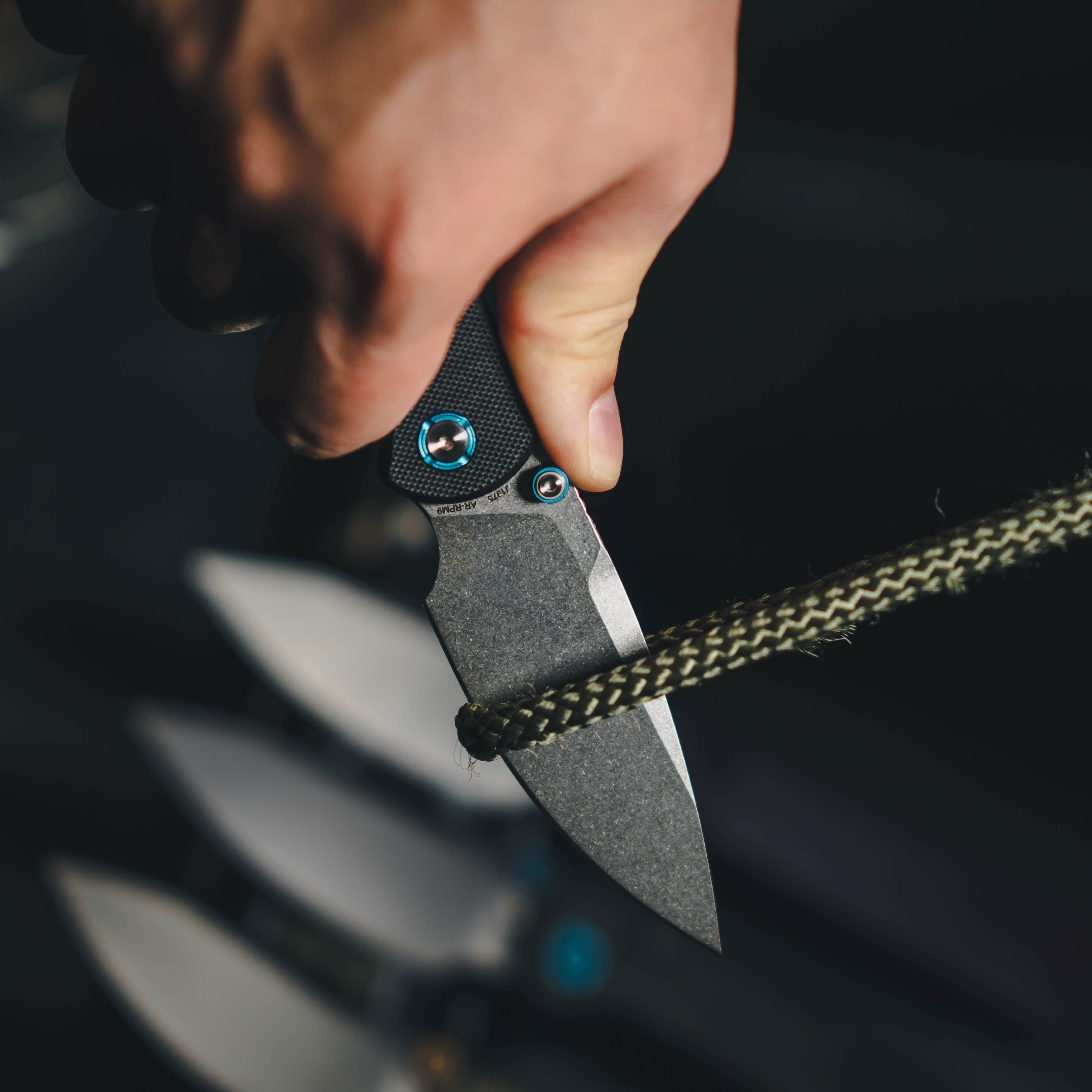
Three locking mechanisms compared: button lock (top), crossbar lock (center), and liner lock (bottom)
Liner Lock: The Workhorse Standard
The liner lock is the most widely used folding knife lock in the industry. It operates through a simple mechanism: a cut-out section of the steel liner springs laterally behind the blade tang when the knife opens, preventing the blade from closing until the user pushes the liner back to disengage.
Durability factors: Liner locks rely on spring tension in a thin strip of steel. Over years of use, the liner can fatigue, reducing lockup tension. Higher-end models use thicker liners (typically 0.04 inch or more) and hardened steel inserts that contact the blade tang, extending service life significantly. The lock face angle is also critical — a proper 7-to-8-degree angle (measured from perpendicular) creates a self-tightening effect under load. Cheaper liner locks often have lockup at 50% or more, which indicates more rapid wear potential.
Crossbar Lock: Ambidextrous and Strong
Popularized by Benchmade's Axis lock, the crossbar lock uses a spring-loaded cylindrical bar that slides forward and backward in a milled channel in the handle. When the blade is open, the crossbar sits in a slot cut into the tang of the blade, preventing rotation. To close, the user pulls the crossbar back on either side (making it fully ambidextrous), freeing the blade.
Durability factors: The crossbar lock distributes stress across a broader contact area than liner locks, but its long-term durability depends heavily on the omega springs that tension the bar. These coil springs are the most common failure point — they can fatigue or break after repeated use. Quality manufacturers use thicker-gauge stainless steel springs and offer replacement spring kits. The crossbar itself and the tang slot show very little wear over time even with heavy use since the engagement surfaces are hardened steel on hardened steel. Users who break omega springs should look for models with easily replaceable spring assemblies.
Button Lock: Simple, Centered, and Strong
The button lock uses a spring-loaded plunger that sits in a hole on the knife handle. When the blade opens, the plunger snaps into a corresponding notch in the blade tang. Pressing the button withdraws the plunger, allowing the blade to close. This mechanism has gained popularity in modern EDC designs from brands like Civivi, WE Knife, and Artisan Cutlery.
Durability factors: Button locks have relatively few moving parts — primarily the plunger, a coil spring, and a retention screw. The spring is the most common wear component, but replacing it is straightforward. The plunger-to-tang engagement is typically very solid, with lockup that improves under hard use (the plunger wedges tighter into the notch under force). Some button locks include a ceramic ball at the tip of the plunger for smoother engagement and reduced wear on the tang surface. One potential weakness: dust and pocket lint can accumulate in the button channel, causing the mechanism to stick. Regular cleaning prevents this issue.
Durability Comparison Table
| Lock Type | Common Failures | Replaceable Parts | Spine Strength | Overall Durability |
|---|---|---|---|---|
| Liner Lock | Liner fatigue, lock stick, overshoot | Limited — requires disassembly | Good (40-80% of frame lock) | Good, with quality build |
| Crossbar Lock | Omega spring breakage | Springs easily replaced | Excellent | Very Good |
| Button Lock | Spring wear, lint jamming | Spring easily replaced, cleanable | Very Good | Very Good to Excellent |
Which Lock Type Is Right for You?
Your choice ultimately depends on your carry habits and maintenance preferences. Liner locks remain the most proven option — simple, time-tested, and found on everything from budget to premium knives. Crossbar locks excel for users who want full ambidextrous operation and don't mind occasional spring maintenance. Button locks offer excellent centered lockup with easy maintenance, making them an outstanding choice for daily EDC use. For most EDC users, a quality button lock or crossbar lock from a reputable manufacturer will provide years of reliable service. The difference in practical durability is small when comparing well-made examples of each type.
Discover premium folding knives with button lock, liner lock, and crossbar lock mechanisms at the Artisan Cutlery folding knife collection, built for reliable everyday carry.

Leave a comment
This site is protected by hCaptcha and the hCaptcha Privacy Policy and Terms of Service apply.