
Steel Families for Everyday Carry
When choosing an EDC folding knife, one of the most important decisions is the blade steel family: stainless or tool steel. Each category has distinct advantages that suit different carry environments, maintenance habits, and cutting tasks. This guide explains the practical differences between stainless and tool steels for everyday carry, helping you choose the right steel for how you actually use your knife.
Stainless and tool steels each excel in different EDC environments — understanding your carry conditions is key.
Stainless Steel: Corrosion Resistance First
Stainless steels contain at least 12% chromium, which forms a passive chromium oxide layer that resists rust and corrosion. For EDC, this means the blade tolerates sweat, humidity, rain, and incidental moisture without developing rust spots. Popular stainless options for EDC knives include:
- CPM S35VN: A premium stainless powder metallurgy steel with excellent edge retention and good toughness. The vanadium carbides provide wear resistance without compromising corrosion resistance
- 14C28N: A nitrogen-enhanced stainless steel that combines fine grain structure with good toughness and easy sharpening. Excellent corrosion resistance makes it ideal for wet environments
- M390: A high-chromium powder metallurgy stainless with extreme wear resistance. Premium edge retention but more challenging to sharpen in the field
- VG-10: A traditional Japanese stainless with cobalt and vanadium additions for improved edge holding over basic 440C
Tool Steel: Toughness and Edge Holding
Tool steels prioritize hardness, wear resistance, and toughness over corrosion resistance. They typically have lower chromium content (under 10%) and compensate with higher carbon, vanadium, or tungsten content. These steels excel in applications where edge stability matters more than rust prevention.
- D2: A semi-stainless tool steel with around 12% chromium but large chromium carbides that leave less free chromium for corrosion protection. Excellent wear resistance for the price point but requires attention to rust prevention
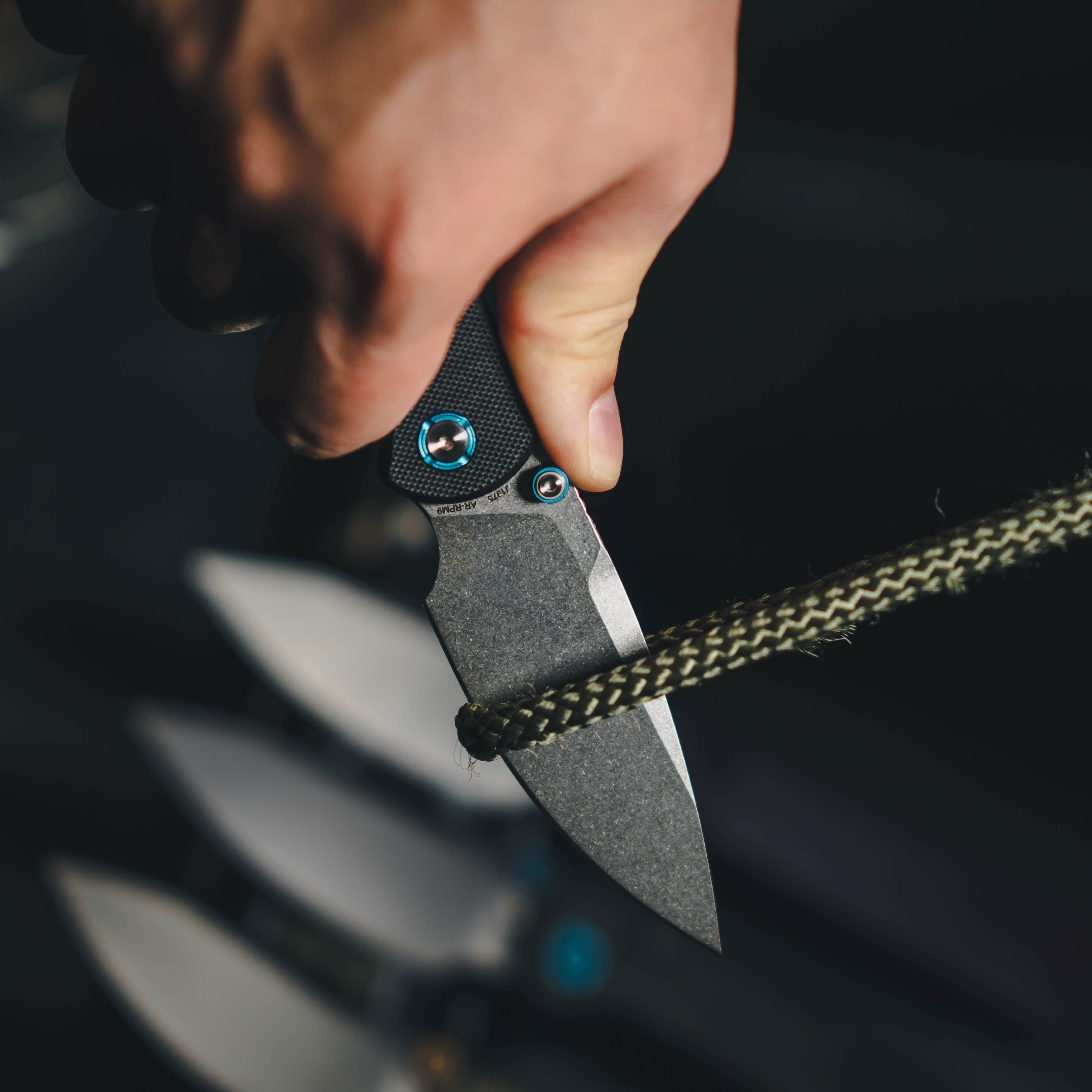
- AR-RPM9: A Chinese powder metallurgy tool steel with good toughness and edge retention at a budget-friendly price. Not fully stainless — requires some maintenance
- CPM 10V: An ultra-high wear resistance tool steel with massive vanadium carbide content. Extreme edge retention at the cost of corrosion resistance and sharpening ease
Comparison at a Glance
| Property | Best Stainless Option | Best Tool Steel Option |
|---|---|---|
| Corrosion resistance | 14C28N (excellent) | D2 (semi-stainless) |
| Edge retention | M390 (extreme) | CPM 10V (extreme) |
| Toughness | 14C28N (high) | 3V (very high) |
| Ease of sharpening | 14C28N (easy) | D2 (moderate) |
| Price | Low to very high | Low to high |
Choosing by Use Case
Humid or Coastal Environments
If you live near the ocean, work in a humid climate, or sweat heavily during outdoor activities, stainless steel is the practical choice. 14C28N and S35VN offer excellent corrosion resistance with good all-around performance. A tool steel blade in these conditions would require diligent oiling and immediate drying after any moisture exposure.
Dry or Controlled Environments
In arid climates or office environments, tool steels like D2 and AR-RPM9 perform admirably with minimal maintenance. The lower corrosion risk means you can prioritize edge retention and toughness over rust resistance. A quick wipe-down at the end of the day is usually sufficient.
Heavy Cutting and Hard Use
For camping, construction, or demanding work tasks, tool steels offer better toughness and edge stability. CPM 3V is a standout for hard-use applications — its combination of high toughness and good edge retention makes it popular among bushcraft and survival knife users, though it sacrifices corrosion resistance.
Low-Maintenance EDC
If you want a knife that requires minimal care — wipe it off occasionally and keep using it — stainless steel is the right choice. S35VN offers a near-ideal balance of edge retention, toughness, and corrosion resistance for most EDC users. It handles occasional neglect better than any tool steel.
The Verdict
There is no universally "best" steel — only the right steel for your specific carry conditions. For most EDC users in most environments, a premium stainless steel like S35VN or 14C28N offers the best balance of performance and low maintenance. If you prioritize raw edge retention, push your knife hard, and live in a dry climate, a tool steel like D2 or AR-RPM9 can save money while delivering excellent cutting performance.
For authoritative information on knife steel metallurgy, Knife Steel Nerds provides in-depth analysis of steel properties, and Science of Sharp covers the edge geometry side of knife performance. To see these steels in premium EDC knives, explore the Artisan Cutlery folding knife collection featuring a wide range of blade steel options.

Leave a comment
This site is protected by hCaptcha and the hCaptcha Privacy Policy and Terms of Service apply.