




Traveling with a folding knife requires knowing the rules — and those rules change depending on whether you are flying, driving across state lines, or entering restricted buildings. Getting it wrong can mean confiscation, fines, or worse. This guide covers the essential rules for traveling with pocket knives so you can keep your EDC gear without legal trouble.

Knowing TSA rules and state knife laws keeps your EDC knife safe and your travel stress-free.
TSA Rules: What You Can and Cannot Carry on a Plane
The Transportation Security Administration (TSA) has clear rules for knives in carry-on vs checked luggage. Knives of any kind are prohibited in carry-on bags. This includes folding knives, multitools with blades, Swiss Army knives, and even small pocket knives with blades under any length. There is no blade-length exception for carry-on.
For checked luggage, folding knives are permitted. You can pack any folding knife in your checked bags as long as it is sheathed or securely wrapped to prevent injury to baggage handlers. There is no blade-length restriction for checked luggage, though some airlines impose their own limits on particularly long blades — check with your carrier if your knife exceeds six inches in blade length.
- Carry-on: All knives prohibited — no exceptions for blade length
- Checked luggage: Allowed when sheathed or securely wrapped
- Declaration: No formal declaration needed for folding knives in checked bags
- Pro tip: Pack knives between layers of clothing or in a padded pouch to prevent the blade from shifting during transit
State Knife Laws and Cross-Border Travel
Knife laws vary significantly between states. The three most important factors are blade length limits, carry method (open vs concealed), and prohibited blade types. When driving across state lines, the knife that is perfectly legal in your home state may be restricted in the state you are entering.
Key state-by-state considerations:
- Blade length limits: Many states cap legal carry at 3 to 4 inches. Knives exceeding the limit may still be owned but cannot be carried concealed or in certain restricted areas.
- Automatic and assisted-open knives: Some states restrict spring-assisted or automatic-opening knives regardless of blade length. Check local laws before carrying.
- Concealed carry: In some states, carrying any folding knife in a pocket counts as concealed carry. Others require the knife to be visible on the belt.
- Double-edged blades: Dagger-style blades face additional restrictions in several states due to their design purpose.
Federal Buildings and Restricted Areas
Beyond air travel and state laws, several federal locations prohibit knives entirely:
- Federal courthouses and government buildings
- Military bases and installations
- National parks (generally allow folding knives, but check specific park regulations)
- Schools and educational facilities (regulated by state law)
- Stadiums, concert venues, and event spaces (check venue policy before arriving)
Most of these locations post signage at entrances. When in doubt, leave the knife at home or secure it in your vehicle before entering.
International Travel
Traveling internationally with knives adds another layer of complexity. Most countries have stricter knife laws than the United States. The United Kingdom, Canada, Australia, and much of Europe ban automatic knives and impose tight blade length limits. Some countries prohibit any knife that locks open.
Before traveling internationally:
- Research knife laws for your destination country — rely on official government sources, not forum posts
- Pack knives only in checked luggage for air travel
- Consider leaving your EDC knife at home and purchasing a compliant model at your destination
- Declare knives at customs if asked — failure to declare can result in confiscation and fines
Practical Tips for Knife Travel
- Fly with a beater: If you must travel with a knife, consider packing an affordable model you are willing to lose to confiscation
- Mail ahead: For long trips, mail your knife to your destination address rather than risking airport issues
- Check venue policy: Before visiting museums, sports events, or concerts, check their prohibited items list online
- Know the three-inch rule: Many municipal and state laws default to a three-inch blade length as the threshold between legal and restricted carry
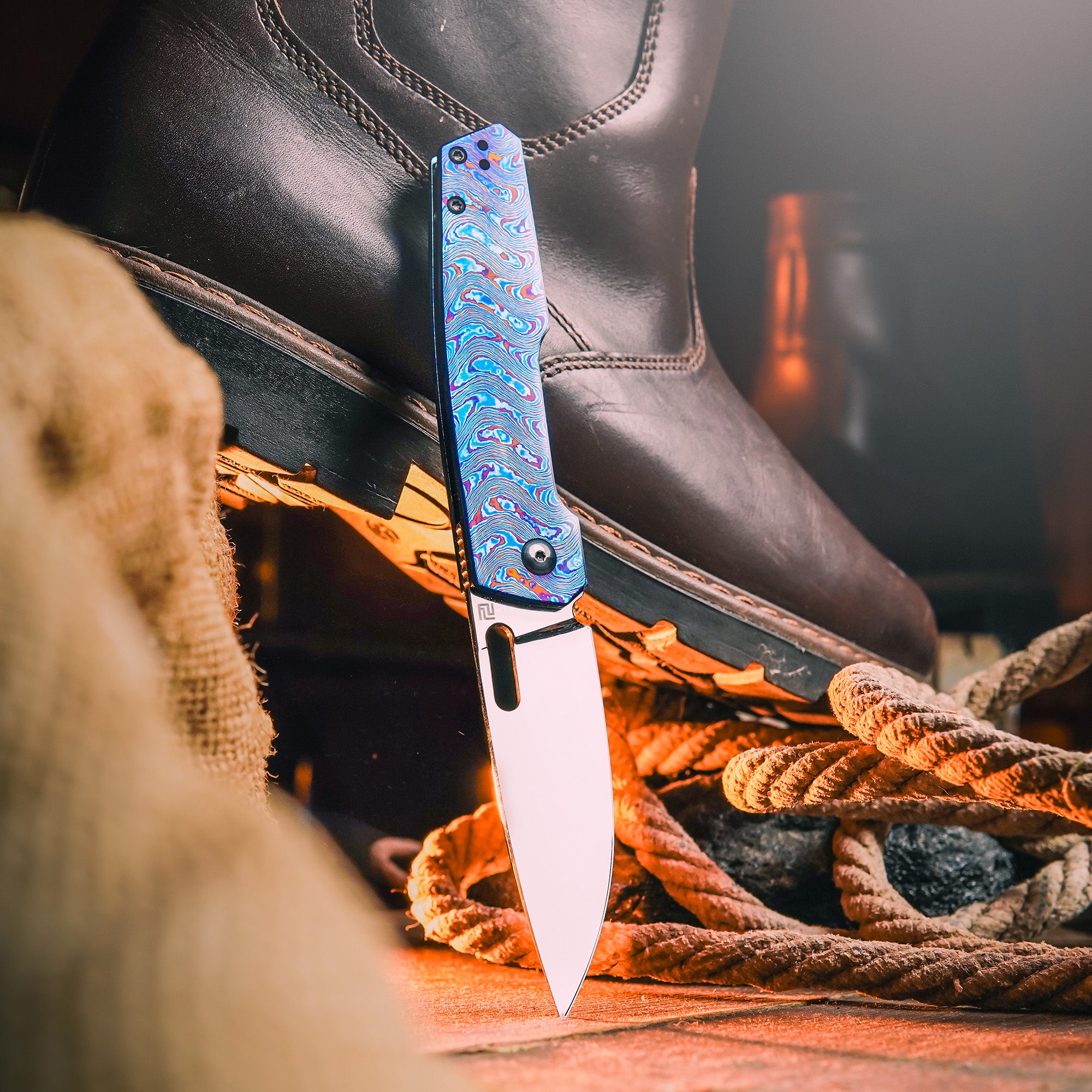
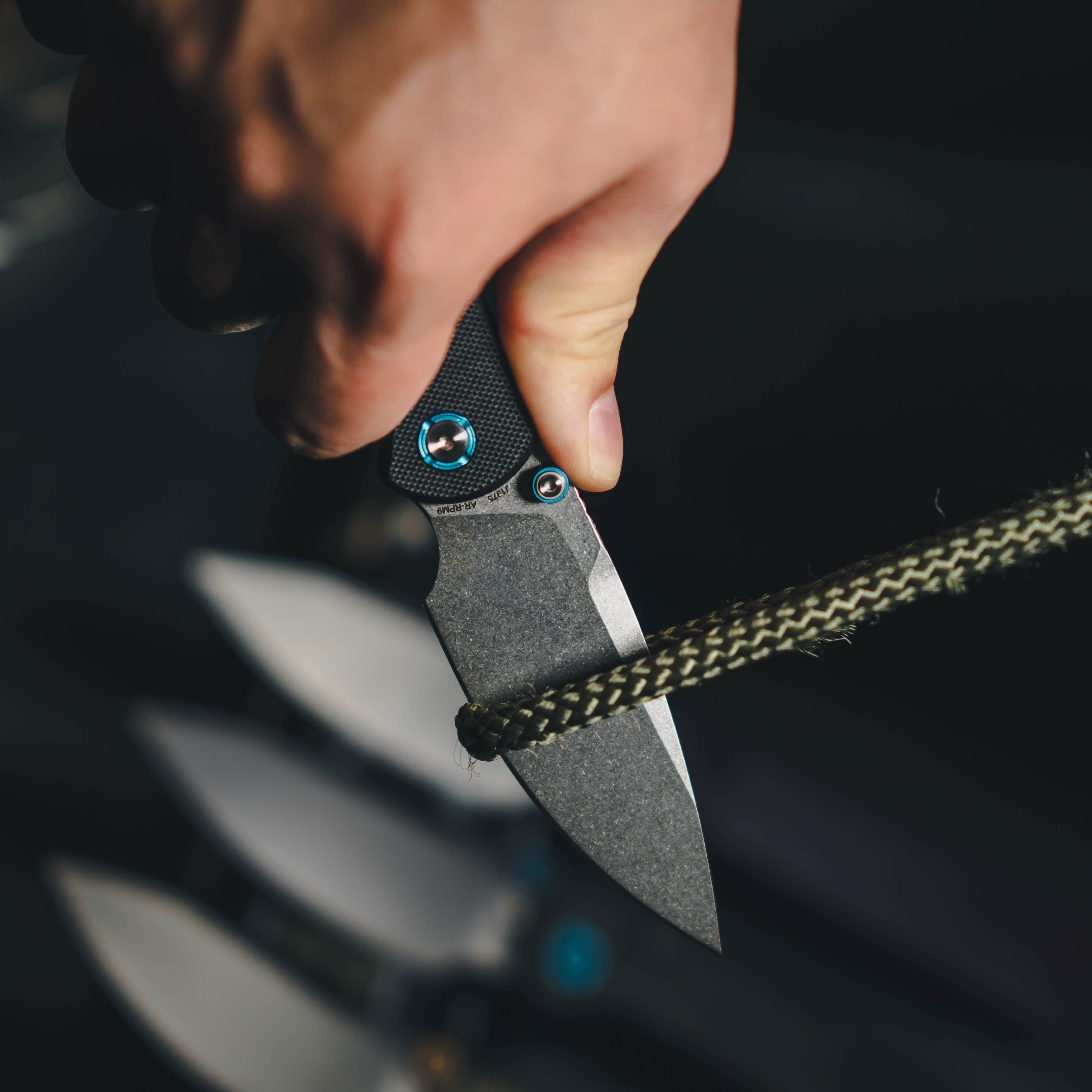
Know the rules and carry with confidence — explore the Artisan Cutlery folding knife collection for premium everyday carry knives built for reliable everyday carry.



Leave a comment
This site is protected by hCaptcha and the hCaptcha Privacy Policy and Terms of Service apply.