
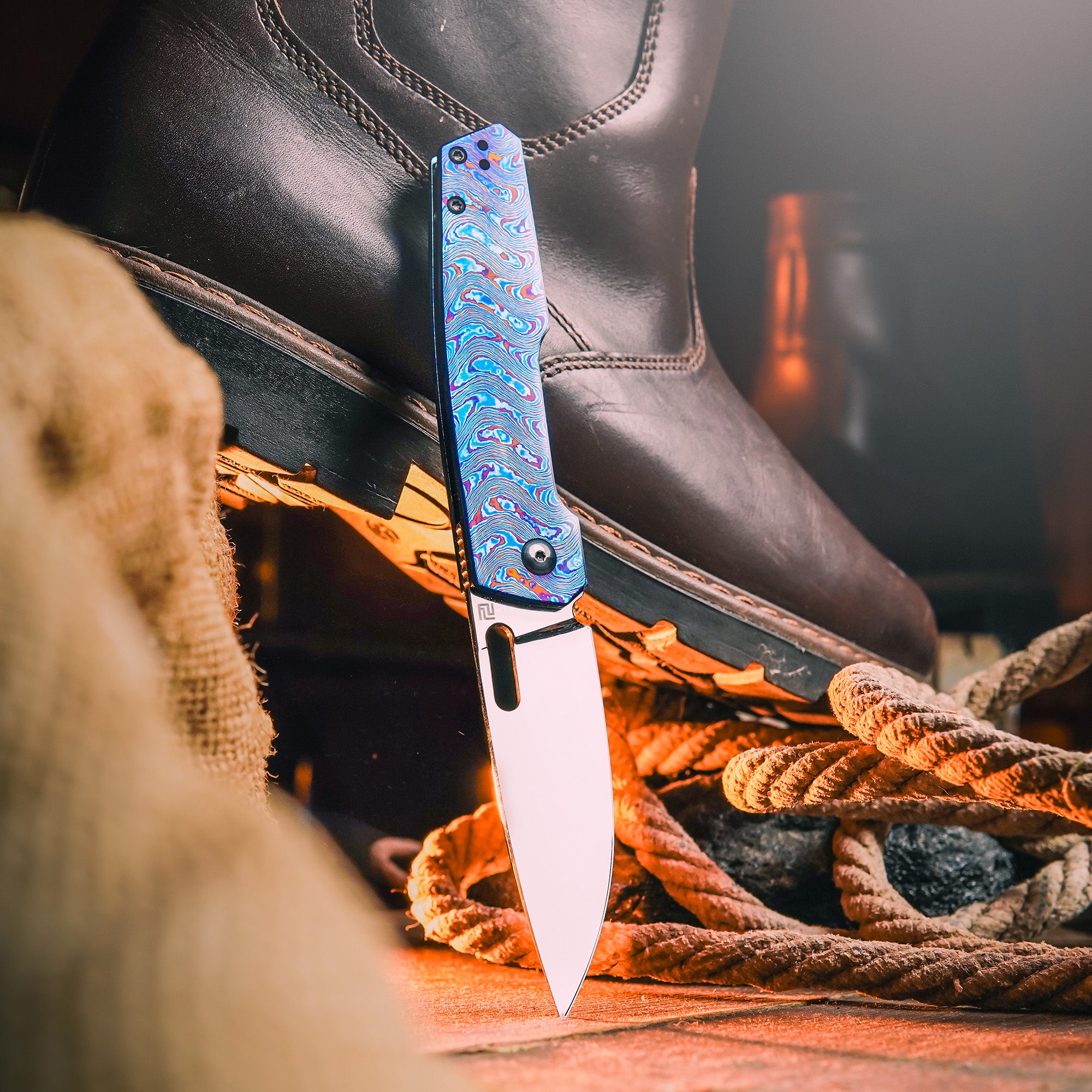
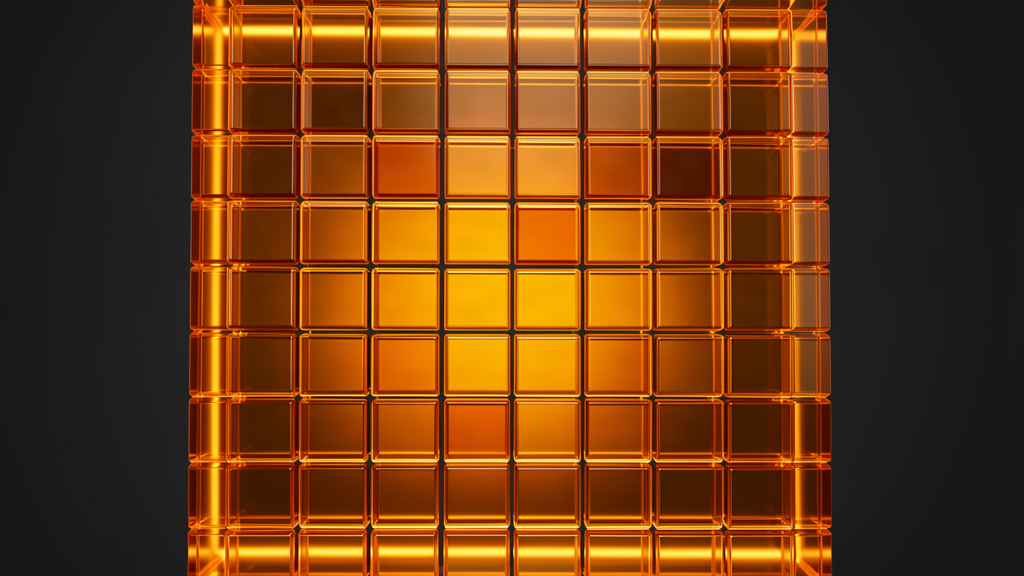
Ultem knife handles are the amber, slightly translucent scales that have quietly become one of the most requested materials in modern EDC. They are light, rigid, and unbothered by heat and moisture — and unlike Micarta or copper, they never change. Here is what Ultem actually is, how it compares to G10, FRN, and Micarta, and how to look after it.
Ultem is naturally amber and translucent, and it stays that way through years of carry.
What Is Ultem, Exactly?
Ultem is a brand name for polyetherimide, or PEI — an amorphous, high-performance engineering thermoplastic. It was developed for demanding industrial work: it has a glass transition temperature around 217 °C, is inherently flame retardant, holds its shape under load at high temperatures, absorbs very little moisture, and resists a broad range of chemicals and UV exposure. Naturally, the material is a transparent amber; it can be tinted, but the translucent honey look most knife collectors picture is the unfilled base polymer. See polyetherimide on Wikipedia for the full material profile.
Why Ultem Works on a Folding Knife
- It is genuinely light. Ultem has one of the best strength-to-weight ratios of any handle plastic, so a knife can be built slim and still feel solid.
- It does not absorb water. No swelling, no shrinking, no warping in a wet pocket, a damp climate, or the kitchen sink.
- It is rigid. The handle will not flex or deform the way a softer polymer can, which keeps the pivot and lock geometry consistent.
- It is stable in heat and sunlight. Unlike cheaper clear plastics, Ultem does not yellow or degrade in UV, and it shrugs off heat that would soften FRN.
- It is see-through. Translucent scales show off a milled liner, a crossbar spring, or a skeletonized frame — a big part of why the material became a collector favorite.
- It does not patina. If you like the idea that today's handle will look the same in five years, Ultem delivers that. If you want a material that ages with you, choose Micarta or copper instead.
Where Ultem Falls Short
- Grip. Smooth Ultem is slick. It is fine for light daily tasks, but if you work with wet or gloved hands, look for a contoured or textured pattern — or choose G10.
- Rigidity cuts both ways. Ultem does not flex, so thin scales can crack if screws are over-tightened or the handle is abused. Treat the fasteners with normal care and it is a durable material.
- Color range. Natural amber is the signature look. Black and other opaque colors exist but lose the translucency that makes Ultem distinctive.
- Price. Ultem costs more than FRN or G10, so a knife with Ultem scales usually carries a small premium even when the blade steel is unchanged.
Ultem vs G10 vs FRN vs Micarta
| Material | Grip | Weight | Moisture / Heat | Look Over Time |
|---|---|---|---|---|
| Ultem (PEI) | Moderate — smooth unless textured | Very light | Excellent — no water uptake, high heat resistance | Unchanged; amber translucent |
| G10 | High — textured fiberglass laminate | Medium | Very good — stable and tough | Unchanged; many colors |
| FRN | High — molded texture | Very light | Fair — fine for daily use, less heat stable | Unchanged; budget look |
| Micarta | High — warm, grippy | Medium | Fair — can absorb a little moisture | Patina develops with use |
| Copper / brass | High | Heavy | Poor-to-fair — oxidizes | Strong patina |
The short version: choose Ultem for low weight, rigidity, and a look that does not age; choose G10 when grip is the priority; choose FRN when the budget matters most; choose Micarta or copper when you want a handle that tells a story.
Ultem Knives in the Current Lineup
Two models put Ultem in your pocket today:
- CJRB Hectare J1935 — a 3.15" knife with a CPM S90V blade and a crossbar lock in Ultem scales, listed at $119.99. This is the premium expression of the material: a high-wear powder steel paired with a handle that weighs almost nothing.
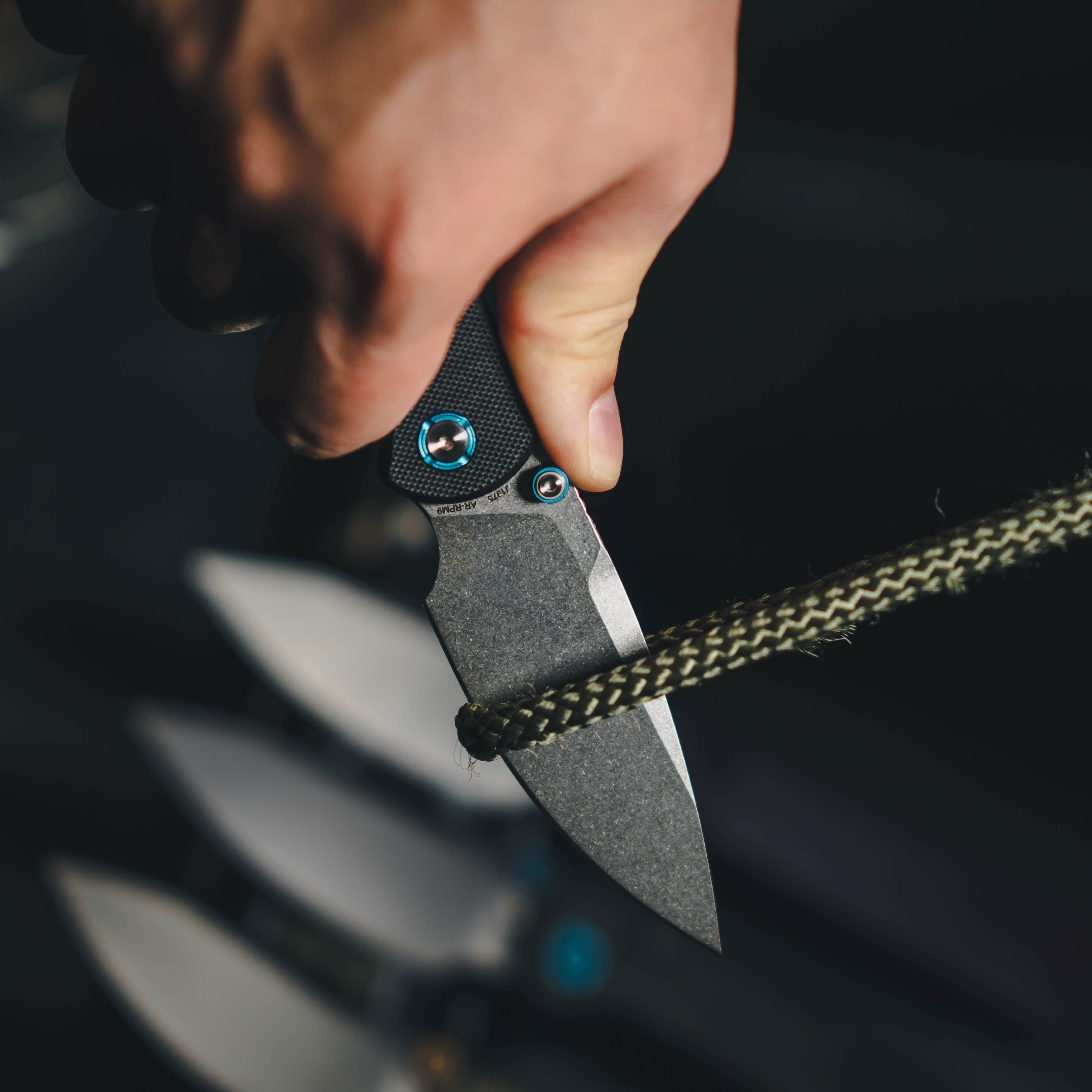
- CJRB Mini Pyrite J1933 — the same idea at a smaller scale, with an AR-RPM9 blade, a button lock, and Ultem scales at $74.65.
Both are built around the same logic: the handle material is the upgrade, and the lock and blade are chosen to match.
How to Care for Ultem Handles
- Clean with warm water and mild soap. A soft cloth or toothbrush is enough. Ultem does not need conditioning, oiling, or waxing.
- Avoid aggressive solvents. PEI stands up to water, alcohol, oils, and most household cleaners, but keep it away from acetone, other ketones, and chlorinated solvents.
- Skip abrasive polishes. The whole point of Ultem is the finish; scouring it with an abrasive will leave a dull haze that cannot easily be restored.
- Do not over-tighten the screws. Rigid plastics tolerate compression less gracefully than G10, and a cracked scale is a permanent one. Snug is enough.
- No UV protection required. Ultem is inherently UV stable, so sunlight is not a threat the way it is for polycarbonate or Lexan.
Who Should Choose Ultem?
Ultem is the right handle material if you want the lightest possible knife, you like the amber translucent look, you carry in humid or wet conditions, and you would rather your gear stay exactly as it was on day one. If you need maximum grip, a wide choice of colors, or a handle that develops character, G10 and Micarta are still the better tools — and if cost is the deciding factor, FRN does the job for less.
Every Ultem model above is part of the current lineup on the folding knife collection, alongside titanium, carbon fiber, Micarta, G10, and copper-handled folders.


Leave a comment
This site is protected by hCaptcha and the hCaptcha Privacy Policy and Terms of Service apply.