

Why Handle Geometry Matters in Butterfly Knife Performance
When enthusiasts discuss butterfly knife performance, blade steel and pivot hardware often dominate the conversation. However, handle geometry is arguably the single most influential factor in flipping experience. The shape, weight distribution, and surface texture of balisong handles determine how a knife feels during aerial tricks, how predictably it opens, and how comfortable it is during extended flipping sessions. Understanding these elements helps both beginners and experienced flippers select the right handle configuration for their style.
Channel versus sandwich handle construction creates different weight distributions that affect butterfly knife flipping dynamics.
Handle Shape and Profile
Balisong handles come in several distinct profiles that affect grip and flipping dynamics:
- Straight/Parallel handles — Traditional design with consistent width from pivot to tang pin. Offers predictable chaplin control and uniform weight feel. Common on classic Filipino-style balisongs.
- Tapered handles — Wider at the pivot and tapering toward the tang. This profile shifts center of mass toward the blade, improving momentum for aerial tricks. Popular on modern EDC-oriented butterfly knives.
- Contoured handles — Ergonomically shaped with subtle curves to fit the palm. Ideal for extended carry and use but can introduce unpredictable weight shift during complex flipping patterns.
- Channel construction vs sandwich construction — Channel handles (machined from solid stock) provide a denser, more solid feel with tighter tolerances. Sandwich handles (two slabs over liners) allow more varied material combinations and often produce a lighter, more balanced flip.
Weight Distribution: Safe Handle vs Bite Handle
In every balisong, the two handles serve different roles. The safe handle is held during open manipulation, while the bite handle (marked by the latch side) carries the blade edge. Their weight balance significantly affects flipping:
| Weight Profile | Effect on Aerial Tricks | Effect on Opens |
|---|---|---|
| Evenly balanced handles | Moderate — predictable spin axis | Smooth, consistent fanning |
| Safe handle heavier | More control during chaplins | Easier rollover recoveries |
| Bite handle heavier | Better momentum for aerials | Faster opens, more impact on catch |
| Blade-heavy balance | Maximum flip momentum | Harder to control, higher skill required |
Modern butterfly knife designers manipulate weight through handle milling patterns, hidden weight pins, and strategic cutouts. Some premium balisongs allow users to adjust balance with accessory weights.
Handle Material and Texture
Handle material directly affects both the weight and the grip security of a butterfly knife during flipping:
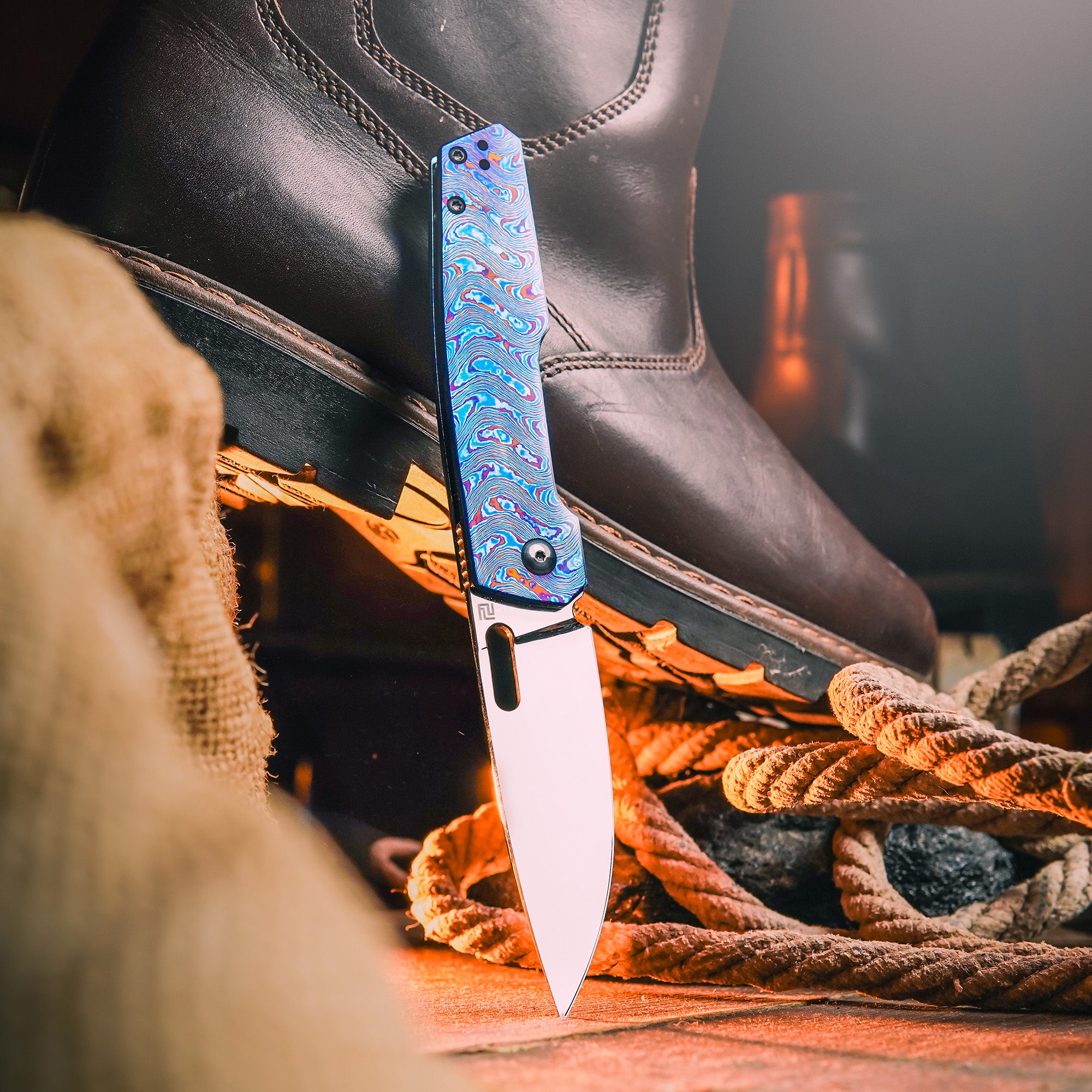
- Titanium handles — Lightweight, strong, and corrosion-resistant. Offers the best strength-to-weight ratio. Can be textured with milling patterns, anodized for color, or left smooth for a clean aesthetic. Titanium is the premium choice for modern EDC balisongs.
- Aluminum handles — Lighter than titanium but less durable. Often anodized in vibrant colors. Channel aluminum handles are common on budget-friendly to mid-range butterfly knives.
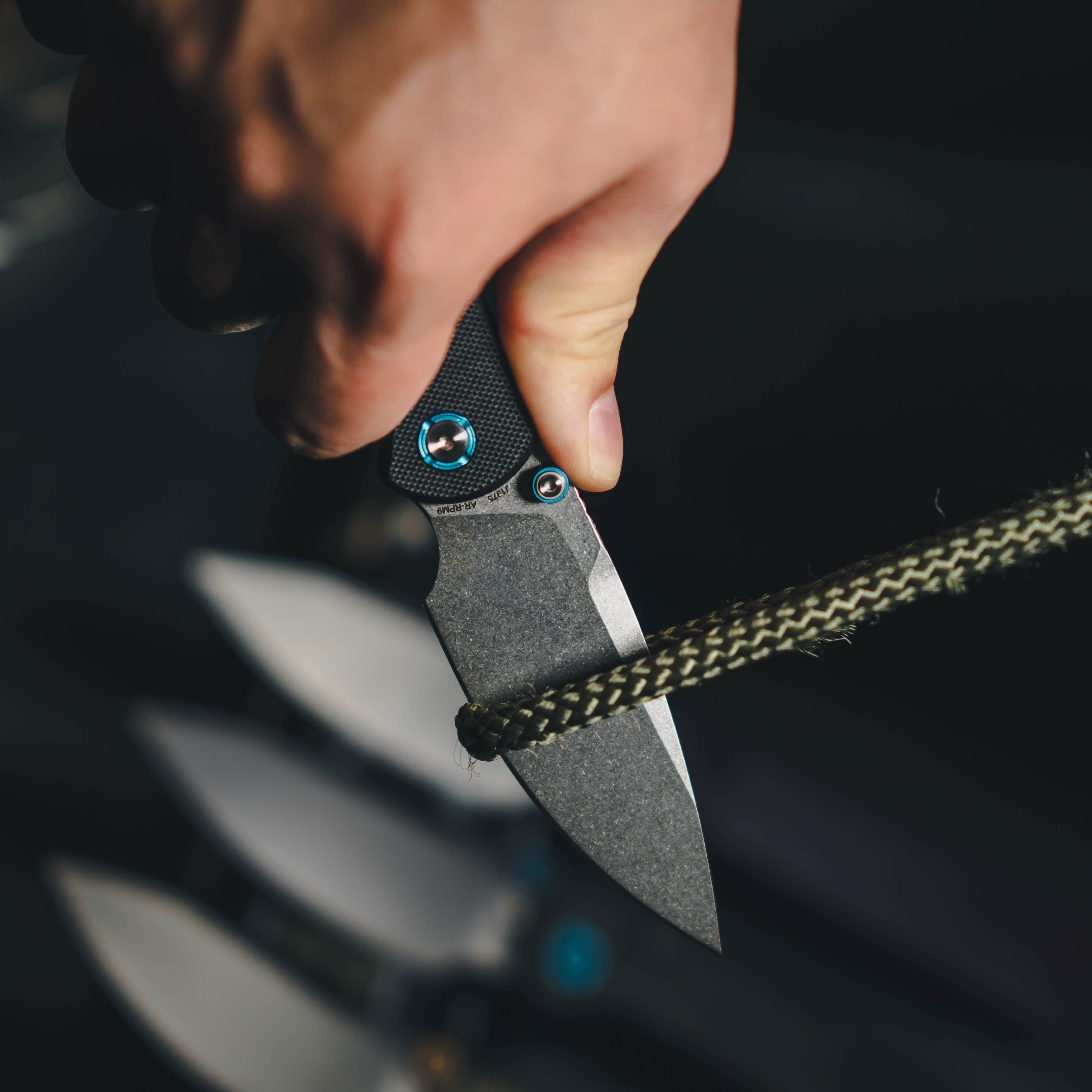
- G10 and other composites — Extremely grippy texture, especially when layered. Lightweight and durable but more commonly found on sandwich-construction balisongs. G10 handles provide excellent control in wet conditions.
- Steel handles — Heavy and durable. Provides a solid, weighted flip feel but can be fatiguing for extended practice. Less common in modern designs.
Texture and Grip: When It Matters
Handle texture can be a polarizing topic among butterfly knife enthusiasts. Smooth, polished handles allow fingers to glide freely — essential for certain advanced tricks like index rollovers and thumb chaplins where friction would stop rotation. On the other hand, textured handles (jimping, milled grooves, G10 roughness) provide grip security during fast openings and aerial catches. Many modern designs strike a balance by offering texture on the bite handle side for catch security while keeping the safe handle smoother for manipulation tricks.
Artisan Cutlery produces several folding knives that showcase thoughtful handle geometry and material selection. Explore the Artisan Cutlery folding pocket knife collection to see how handle design principles apply across different knife categories.
Choosing Handle Geometry for Your Flipping Style
When evaluating a butterfly knife, consider your primary flipping goals. For aerial trick work, prioritize a blade-heavy balance with textured bite handle for secure catches. For smooth everyday carry and basic opens, seek evenly balanced handles with moderate weight and comfortable contouring. Beginners benefit most from medium-weight handles with subtle texture — enough grip for confidence without sacrificing finger glide for learning new tricks.
Understanding butterfly knife handle geometry elevates your selection process from simply choosing a knife to matching a specific tool to your personal flipping philosophy. For more background on the design and history of this unique folding knife category, visit the butterfly knife article on Wikipedia.

Leave a comment
This site is protected by hCaptcha and the hCaptcha Privacy Policy and Terms of Service apply.