



Why Butterfly Knife Maintenance Matters
Butterfly knives, also known as balisongs, are unique among folding knives due to their pivoting handle design. The complex hinge mechanism requires regular maintenance to ensure smooth flipping action, safe operation, and longevity. Unlike standard folding knives, a neglected balisong can develop handle play, pivot friction, and even become dangerous to operate. This guide covers everything you need to know about butterfly knife maintenance.

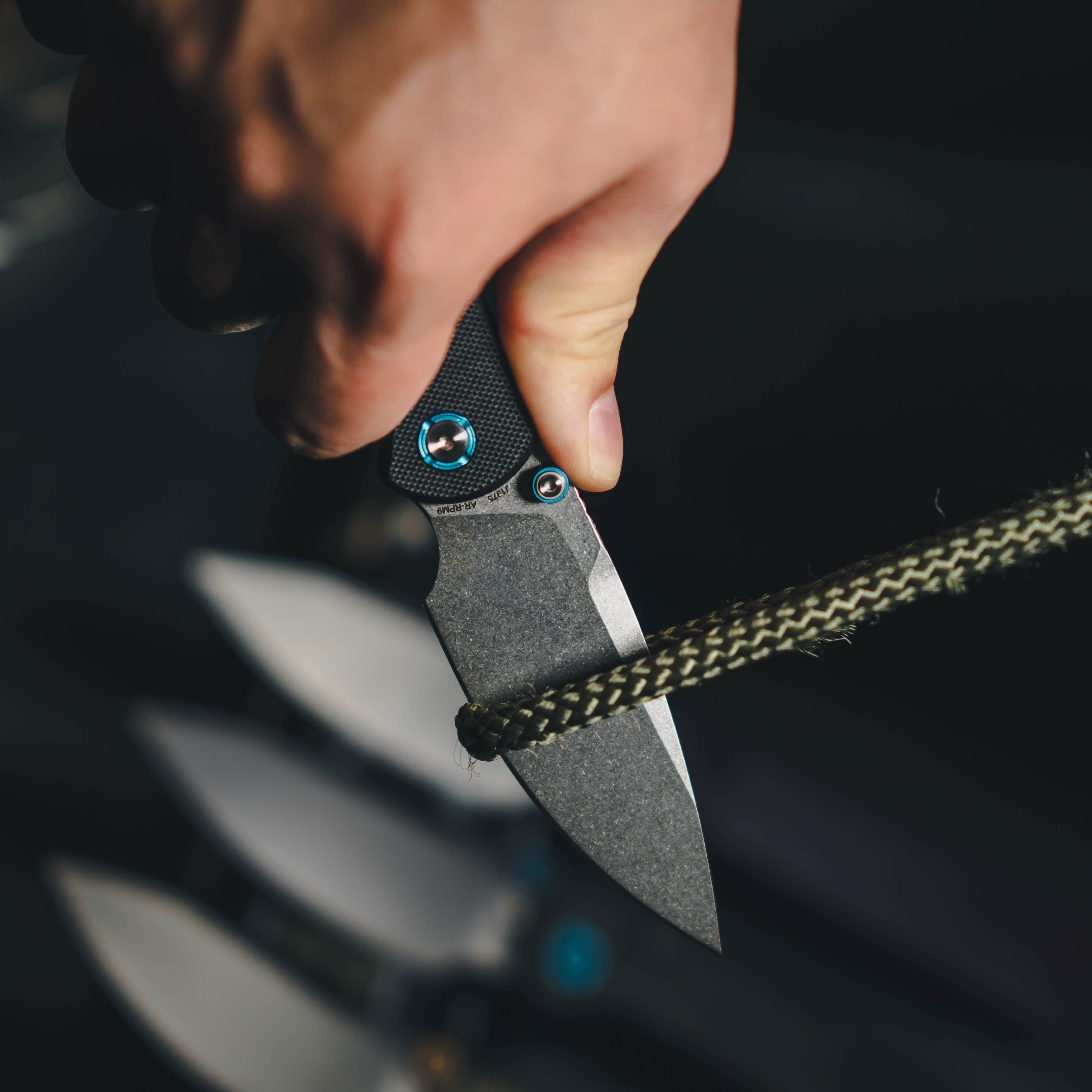
Essential tools for butterfly knife maintenance — keeping your balisong in smooth operating condition.
Whether you own a trainer for flipping practice or a live-blade balisong for EDC, proper care extends the life of your knife and keeps it performing at its best. Regular maintenance also helps maintain resale value, especially for premium butterfly knives with titanium handles or high-end blade steels.
Essential Tools for Balisong Maintenance
Before starting any maintenance, gather these basic tools:
- Torx bit set (T6, T8, T10): Most balisongs use Torx pivot screws
- High-quality knife oil: Nano-oil, mineral oil, or specialized pivot lubricant
- Isopropyl alcohol (90%+): For cleaning pivot areas without leaving residue
- Microfiber cloth: For wiping blades and handles without scratching
- Cotton swabs: For detailed pivot cleaning
- Thread locker (blue/medium strength): For securing pivot screws after tuning
- Soft work surface: A silicone mat or towel to protect the knife during disassembly
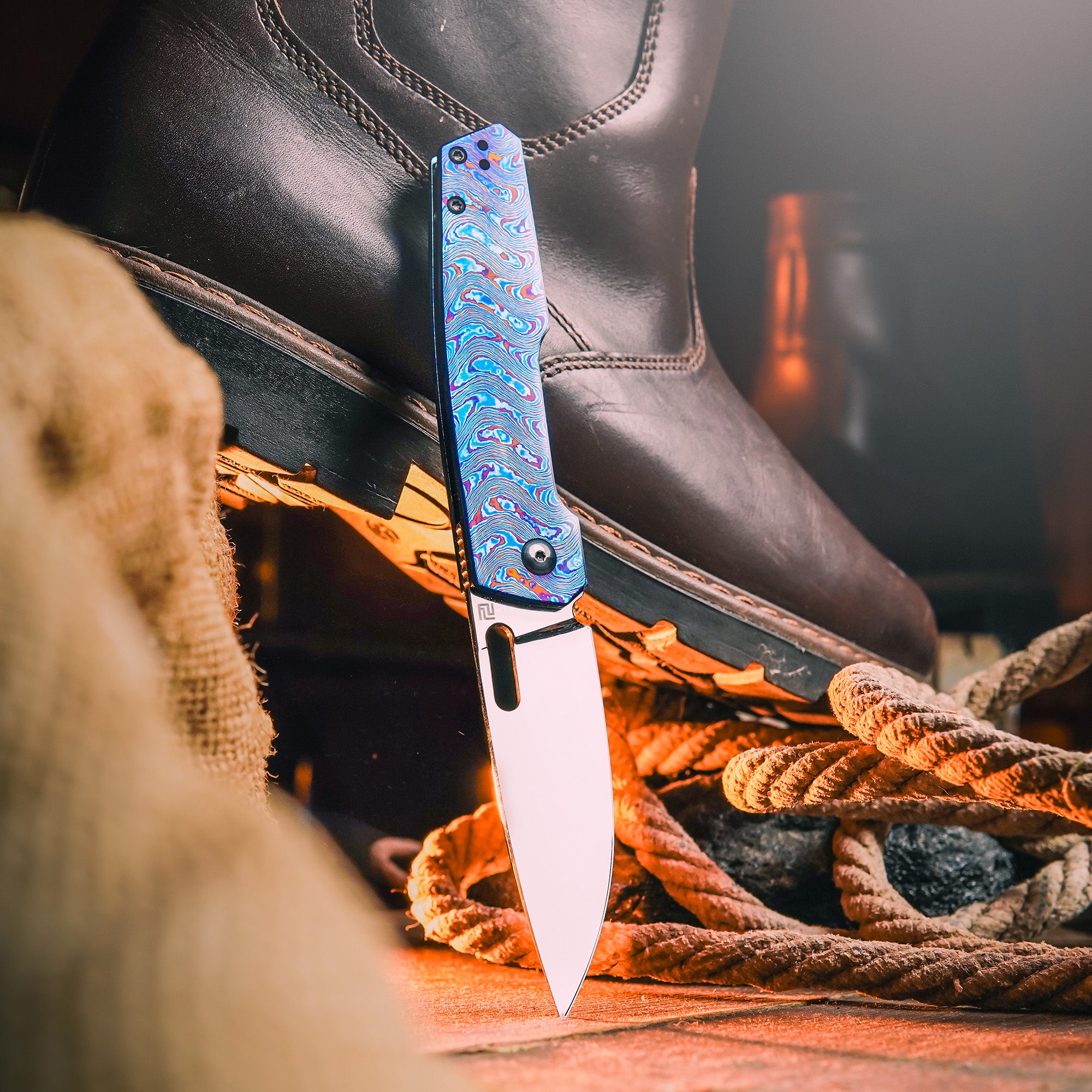
Artisan Cutlery's premium folding knives use standard Torx hardware, making field maintenance straightforward.
Basic Cleaning Procedure
Follow these steps for routine butterfly knife cleaning:
- Ensure the knife is completely closed and safe to handle
- Remove the pivot screws using the correct Torx bit — keep track of which screw goes where
- Separate the handles from the blade carefully, noting the washer arrangement
- Wipe down the blade and handle surfaces with a dry microfiber cloth
- Use a cotton swab dipped in isopropyl alcohol to clean the pivot areas and washer surfaces
- Allow all components to air-dry completely before reassembly
- Apply one drop of lubricant to each pivot point
- Reassemble and tighten screws to the desired tension
Lubrication: Where and How Much
Proper lubrication is critical for smooth balisong operation. Over-lubricating attracts dust and debris, while under-lubricating creates friction and wear. Apply lubricant sparingly:
- Pivot points: One small drop on each pivot washer before reassembly
- Blade tang: A microscopic amount where the tang contacts the handles during opening
- Handle channels: Not necessary — lubricant here attracts pocket lint
Tuning Pivot Tension
The ideal pivot tension varies by preference and flipping style:
| Tension Level | Characteristics | Best For |
|---|---|---|
| Loose | Blade swings freely, some handle play | Trick flipping, fast aerials |
| Medium | Smooth controlled pivot, minimal play | General use and flipping |
| Tight | Blade stays in place, resistant to swing | Carry in pocket, EDC safety |
Addressing Common Balisong Issues
Handle play (wobble): If the handles wobble side-to-side, tighten the pivot screws evenly on both sides. If play persists, the washers may be worn and need replacement.
Sticky pivots: Usually caused by dried lubricant mixed with pocket lint. Disassemble, clean thoroughly with alcohol, and relubricate.
Blade rub: If the blade touches the inside of the handles during closing, check for bent tang pins or misaligned handles after reassembly.
Rust or corrosion: For carbon steel blades, apply a thin coat of oil to the blade surface after cleaning. Stainless and tool steel blades are more resistant but still benefit from occasional protection.
Maintenance Schedule
- Weekly: Wipe blade and handles clean, check pivot tension
- Monthly: Apply one drop of oil to pivots if action feels dry
- Quarterly: Full disassembly, clean, lubricate, and re-tune
- As needed: Disassembly after flipping in dusty/dirty environments
What to Avoid
- Do not use WD-40 as a lubricant — it evaporates and leaves sticky residue
- Avoid over-tightening pivots to compensate for loose handles — this can strip threads
- Never use abrasive cleaners on titanium or anodized handles
- Do not lubricate before storage — oil can migrate and stain handle materials
With proper care and regular maintenance, a quality butterfly knife will provide years of smooth operation. The key is consistency — a few minutes of care each month prevents major issues and keeps your balisong flipping like new.



Leave a comment
This site is protected by hCaptcha and the hCaptcha Privacy Policy and Terms of Service apply.