

Butterfly knives (balisongs) and switchblades are both famous folding knives with a reputation for speed — but they open in completely different ways. A butterfly knife is powered entirely by the user's wrist, while a switchblade uses an internal spring. Here is how they compare on mechanism, deployment, training, and legality.
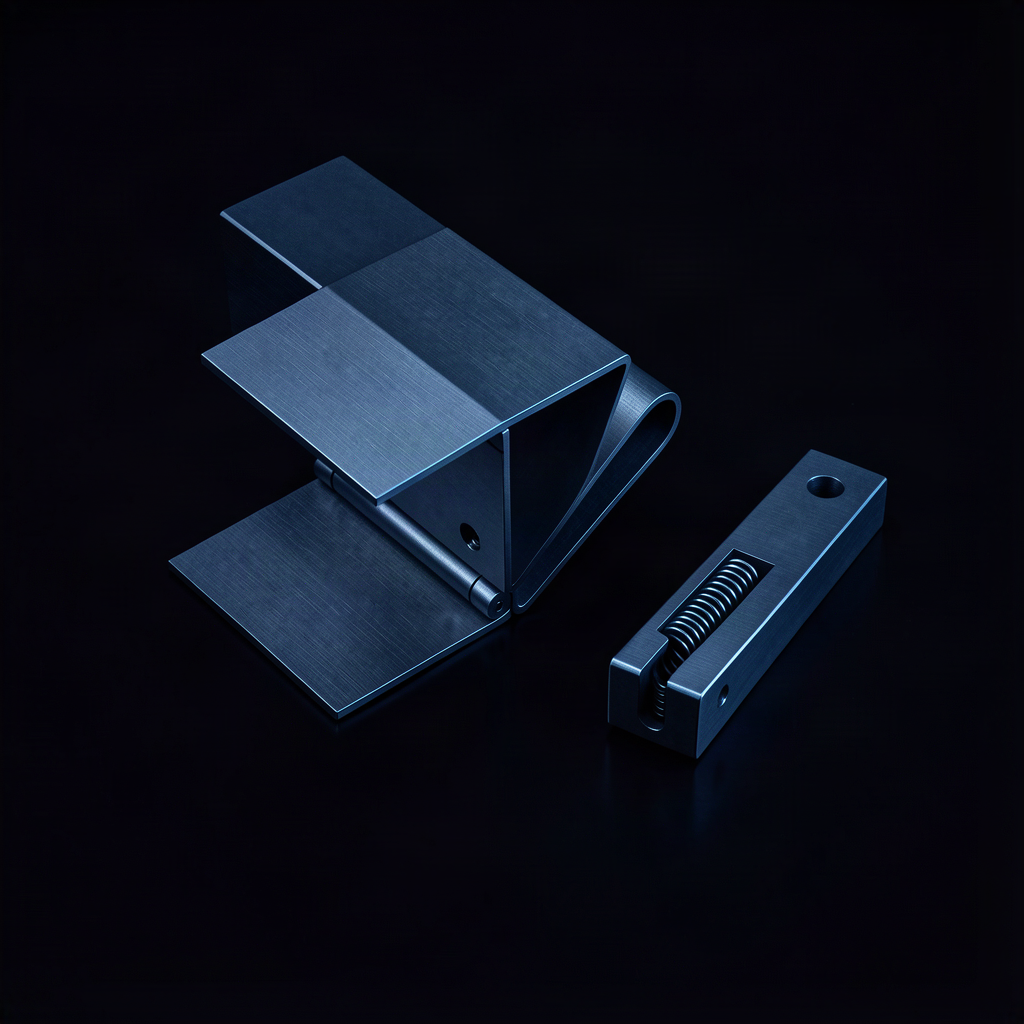
A balisong opens with wrist momentum; a switchblade opens with a spring.
What Is a Butterfly Knife?
A butterfly knife, or balisong, is a folding knife with two handles that rotate around the tang and close to conceal the blade between them. To open it, the user flips the knife so the handles swing apart and the blade locks into place — no spring, no button, just momentum and practice. The design is centuries old and is associated with the Batangas region of the Philippines.
Because opening relies on the user, butterfly knives have a learning curve. The blade edge faces one handle (the 'bite' handle) and the spine faces the other (the 'safe' handle), so controlled flipping is a skill that must be built deliberately.
What Is a Switchblade?
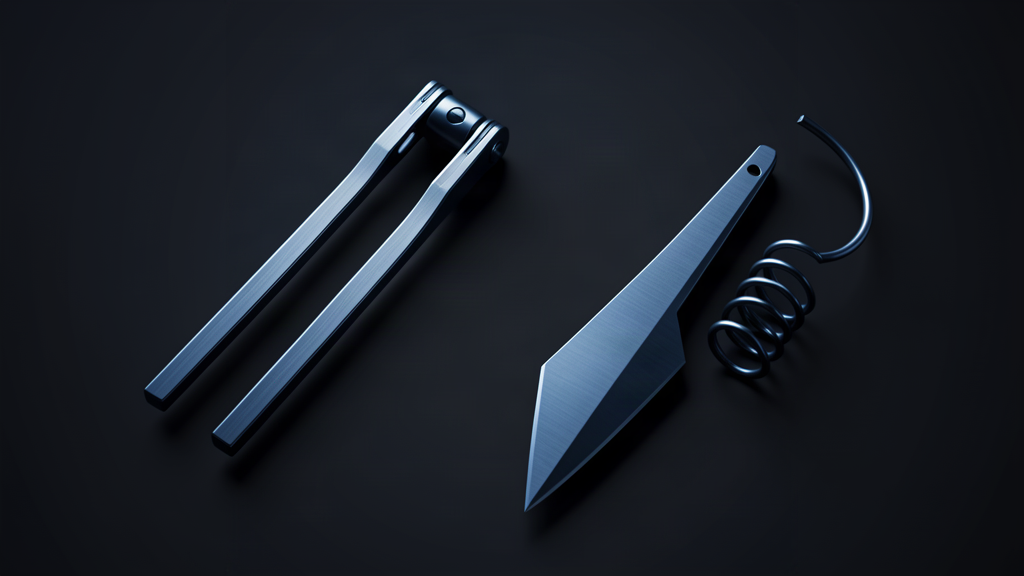
A switchblade — also called a switch knife, automatic knife, or flick knife — is a pocketknife whose blade is extended automatically by a spring when a button, lever, or switch on the handle is activated. Virtually all switchblades incorporate a locking blade that prevents accidental closure, and an unlocking mechanism must be operated to close the knife.
Two main configurations exist: side-opening (OTS) knives, which resemble traditional folders but spring open from the side, and out-the-front (OTF) knives, where the blade shoots straight out of the end of the handle.
Key Differences at a Glance
| Feature | Butterfly knife | Switchblade |
| Opening power | User's wrist motion | Internal coil or leaf spring |
| Actuation | Flipping the handles | Button, lever, or switch |
| Deployment speed | Depends on skill | Instant on actuation |
| Learning curve | Steep; practice required | Minimal |
| Training tools | Unsharpened trainers exist | N/A for the mechanism |
| Legal status | Restricted in some regions | Heavily restricted in many |
Mechanism and Deployment
The switchblade's spring gives it the fastest deployment of any manual knife — press the button and the blade is out. The butterfly knife trades that instant speed for a different advantage: it can be carried compactly and opened with a smooth, deliberate motion that requires no button at all. The tradeoff is practice. A novice balisong user opens slowly and risks contact with the bite handle; a skilled user can open in a fraction of a second.
Legality Considerations
Both knives face legal restrictions, but switchblades carry the heavier burden. In the 1950s, American newspapers promoted an image of violent crime involving switchblades, and in 1954 a bill was introduced in the U.S. Congress to ban their manufacture and sale — the beginning of a wave of legal restrictions worldwide that persists today. Butterfly knives are also restricted or banned in a number of states and countries, so local law should always be checked before purchase or carry.
Which One Is Right for You?
If you want instant one-handed deployment and minimal training, a switchblade delivers — where it is legal. If you enjoy the skill, the history, and the flipping culture, a butterfly knife is a rewarding choice — ideally learned with a trainer first. For pure everyday utility, a well-built manual folder with a thumb stud or flipper is simpler, legal in more places, and requires no special technique at all.
Find your ideal everyday carry configuration — explore the Artisan Cutlery folding knife collection for premium EDC folders built for reliable everyday carry.



Leave a comment
This site is protected by hCaptcha and the hCaptcha Privacy Policy and Terms of Service apply.