
Two Popular EDC Steels at a Glance
When shopping for a folding pocket knife, two steel types you will encounter frequently are D2 tool steel and Sandvik 14C28N stainless steel. Each offers a very different balance of properties — one prioritizing edge retention and hardness, the other favoring toughness and corrosion resistance. Understanding their differences helps you choose the right blade for your carry style. Browse the folding pocket knives at Artisan Cutlery to see both steels in action.
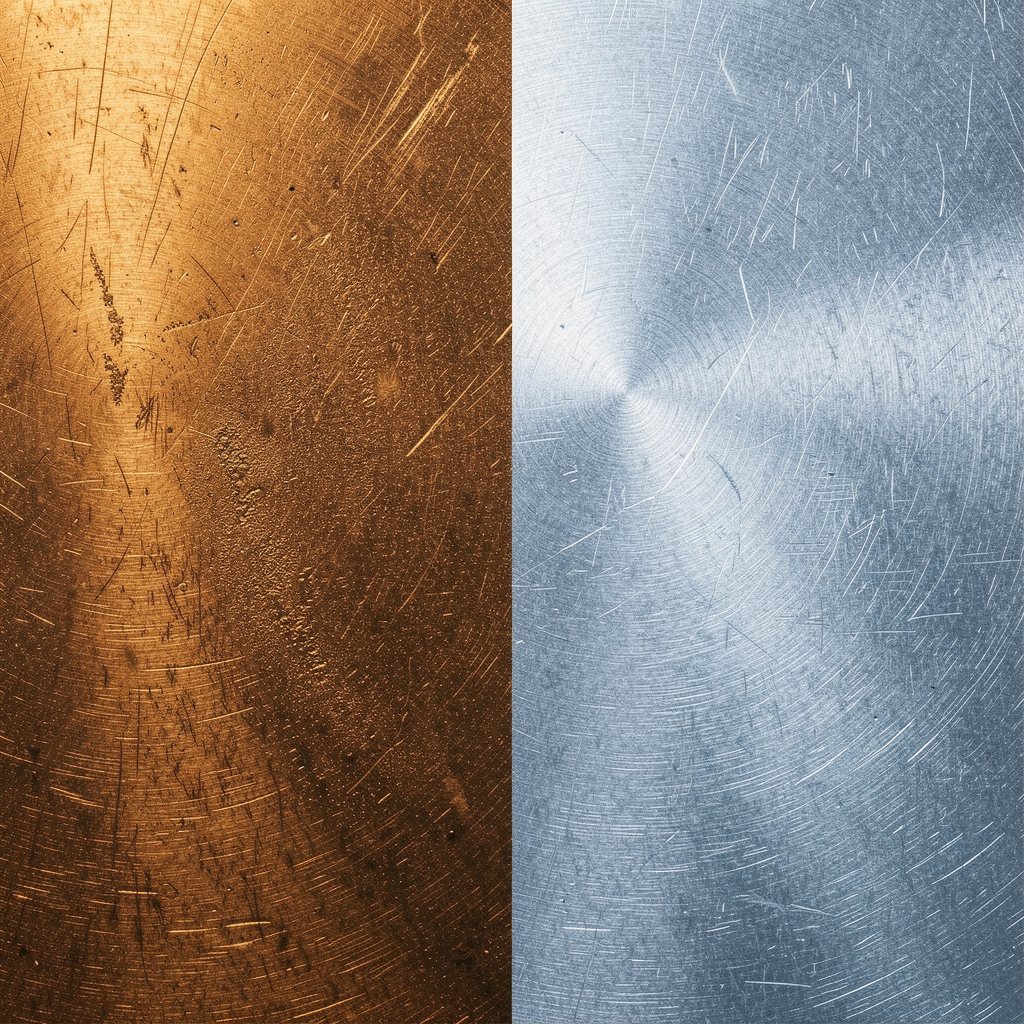
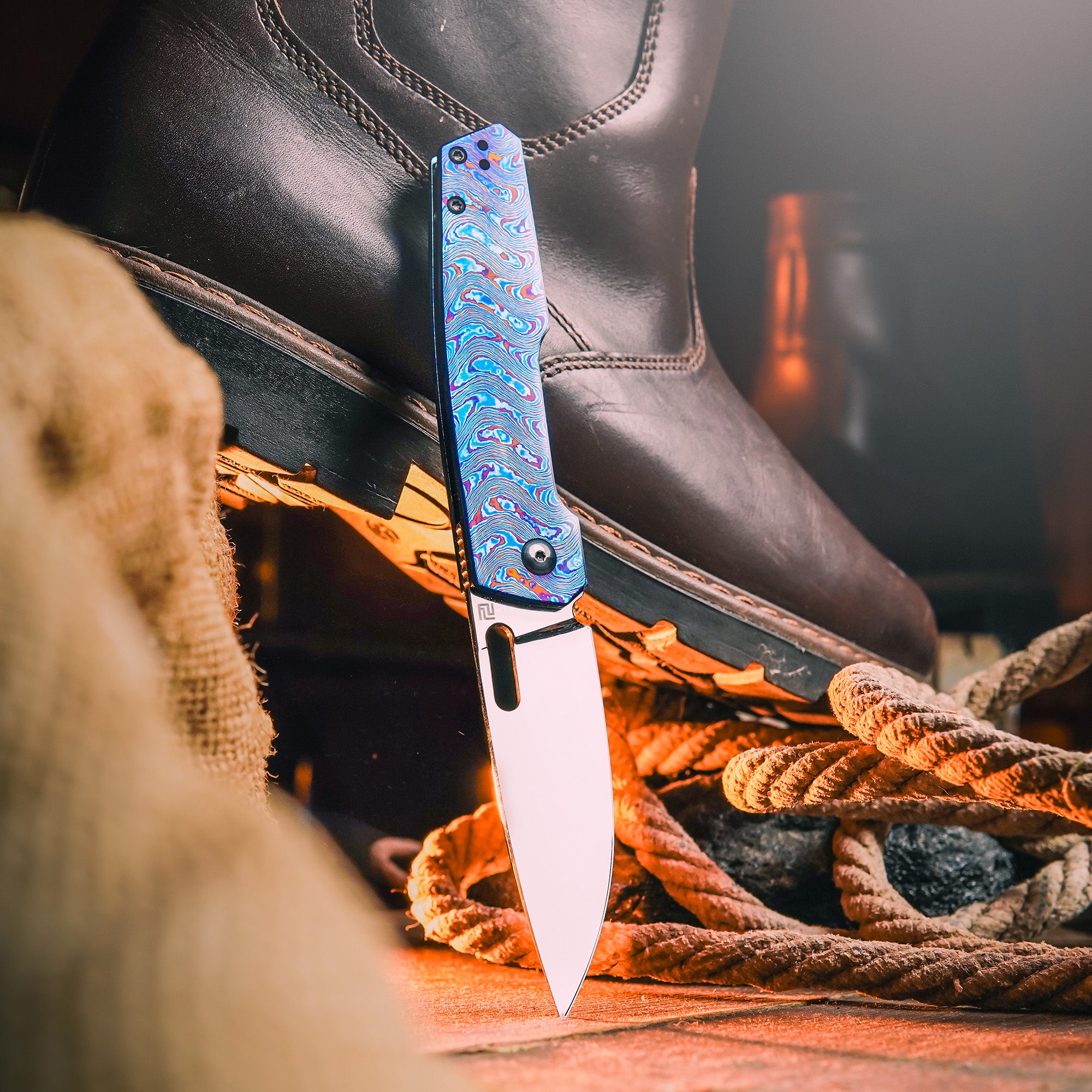
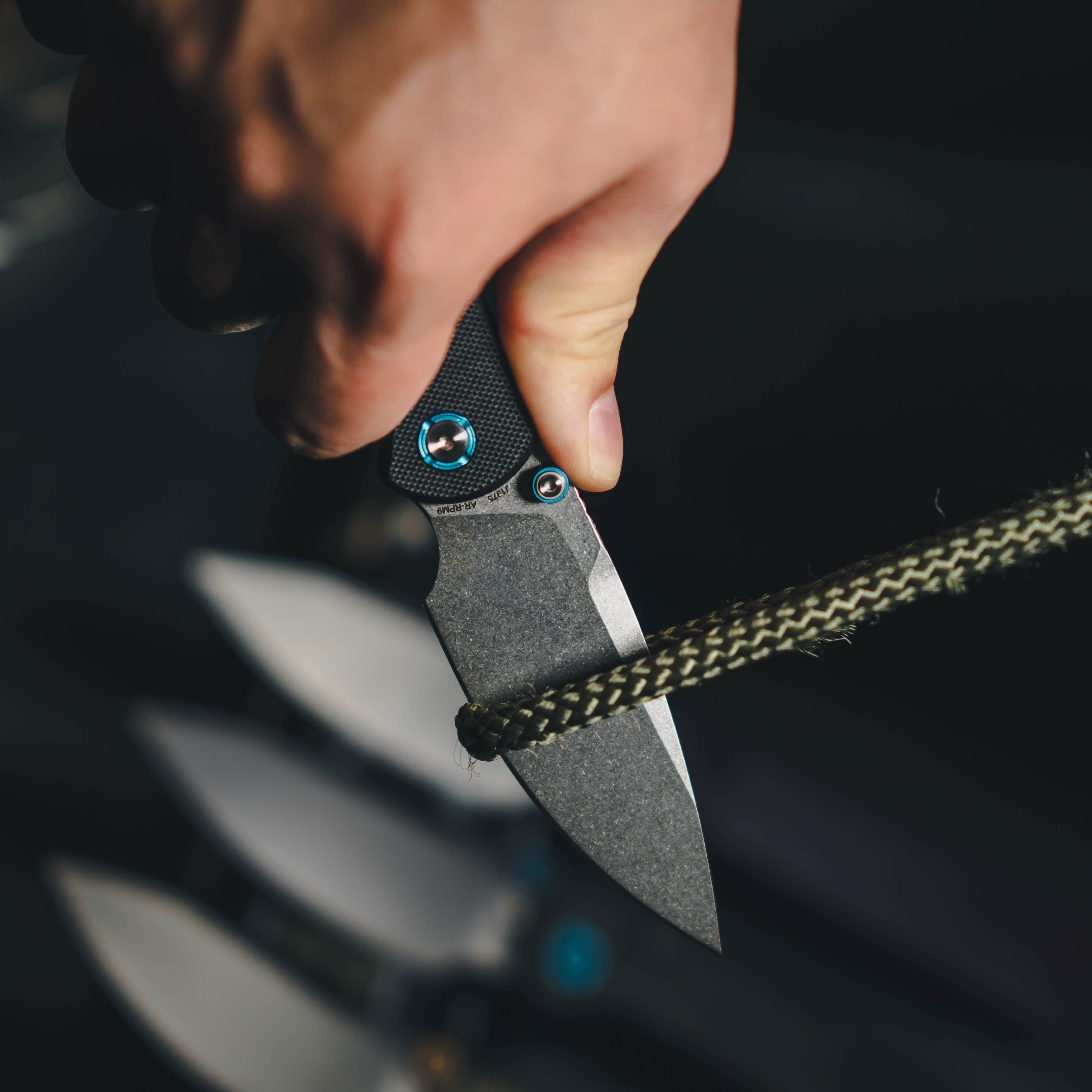
D2 (left) offers superior edge retention; 14C28N (right) provides better toughness and corrosion resistance.
D2 Tool Steel: The Edge Retention Champion
D2 steel is a high-carbon, high-chromium tool steel that has been a favorite among knife makers for decades. With approximately 1.5% carbon and 12% chromium, D2 can be heat-treated to a hardness of 60–62 HRC, giving it excellent wear resistance and edge retention — meaning your knife stays sharp longer between sharpenings. However, D2 is not truly stainless. Its 12% chromium content provides enough corrosion resistance for normal use, but it can develop surface rust or staining if neglected after cutting wet or acidic materials. D2 is also relatively difficult to sharpen due to its high wear resistance.
14C28N Stainless Steel: Toughness and Corrosion Resistance
Sandvik 14C28N is a high-performance stainless steel developed by the Swedish steelmaker Sandvik. With a balanced composition including 0.62% carbon and 14% chromium plus nitrogen for enhanced properties, 14C28N achieves an excellent combination of toughness, corrosion resistance, and edge stability. Its fine grain structure allows it to take a very sharp, thin edge that is resistant to chipping and rolling. While 14C28N does not hold an edge as long as D2 in heavy cutting, its edge is easier to restore with a quick touch-up on a strop or fine stone. As explained by Knife Steel Nerds, the nitrogen addition refines the grain structure for improved toughness without sacrificing hardness.
Head-to-Head Comparison
| Property | D2 Tool Steel | 14C28N Stainless |
|---|---|---|
| Hardness (typical) | 60–62 HRC | 58–60 HRC |
| Edge Retention | Excellent | Very Good |
| Toughness | Moderate | Excellent |
| Corrosion Resistance | Moderate (semi-stainless) | Excellent |
| Ease of Sharpening | Difficult | Easy |
| Cost | Low to Moderate | Moderate |
| Best Used For | Hard-use cutting, EDC folders | Damp environments, fine slicing |
Which One Should You Choose?
Choose D2 if you:
- Prefer a knife that stays sharp for weeks of regular use without sharpening
- Live in a dry climate or keep your knife clean and oiled
- Do heavier cutting tasks like cardboard, plastic strapping, or light wood carving
- Are comfortable with occasional sharpening sessions using diamond stones
Choose 14C28N if you:
- Want excellent corrosion resistance for humid or coastal environments
- Prefer a steel that is easy to sharpen and can take a razor-sharp edge
- Do lighter cutting tasks — opening boxes, cutting tape, food prep
- Want a tougher blade that is less likely to chip if you hit staples or hard materials
Final Verdict
There is no universal winner — the right steel depends on how and where you use your knife. D2 excels for users who prioritize edge retention and are willing to maintain their blade. 14C28N is ideal for those who want a worry-free, corrosion-resistant blade that is easy to keep razor sharp. Many EDC enthusiasts own knives in both steels and choose based on the day's tasks.


Leave a comment
This site is protected by hCaptcha and the hCaptcha Privacy Policy and Terms of Service apply.