


Why Knife Locks Matter
A locking mechanism is what keeps a folding knife's blade securely open during use. Without a reliable lock, the blade could fold unexpectedly, causing injury. Modern folding pocket knives use several different locking systems, each with its own strengths in strength, ease of use, and reliability. Understanding these lock types is essential when choosing your next EDC knife.

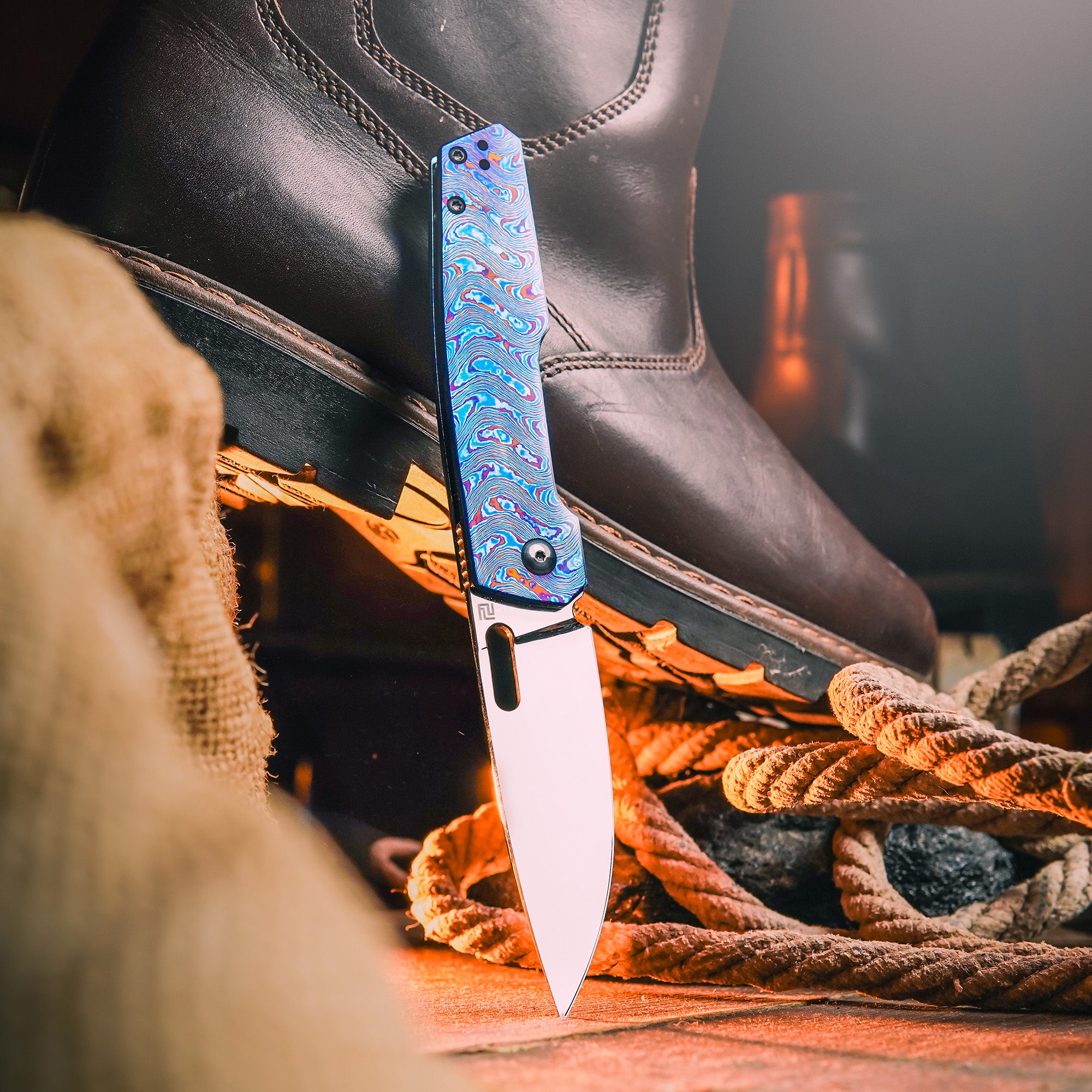
The frame lock uses part of the handle as a locking bar, offering excellent strength for premium folding knives.
Common Folding Knife Lock Types
| Lock Type | Strength | Ease of Use | Common On |
|---|---|---|---|
| Liner Lock | Good | Excellent | Most EDC folders |
| Frame Lock | Excellent | Excellent | Premium titanium knives |
| Button Lock | Very Good | Excellent | OTF and modern folders |
| Axis / Crossbar Lock | Excellent | Excellent | Ambidextrous designs |
| Back Lock | Good | Moderate | Traditional and outdoor knives |
| Slip Joint | None (no lock) | — | Traditional pocket knives |
Liner Lock: The Industry Standard
The liner lock is the most common locking mechanism in modern folding knives. A spring-loaded metal liner inside the handle snaps into position behind the blade when it opens, preventing closure. To disengage, the user pushes the liner to the side with their thumb. Liner locks are lightweight, simple to manufacture, and provide reliable locking strength for most EDC tasks. Many budget-friendly and mid-range knives use this system.
Frame Lock: The Premium Upgrade
Essentially a liner lock where the frame itself acts as the locking bar, the frame lock is common on higher-end knives with titanium handles. Because the lock bar is part of the handle — typically one-third of the handle width — it offers greater strength than a liner lock. Frame locks also tend to age well, as the lock bar can "wear in" over time, settling deeper into position. Many premium knives from brands that specialize in titanium folders use this mechanism.
Button Lock: Push-Button Convenience
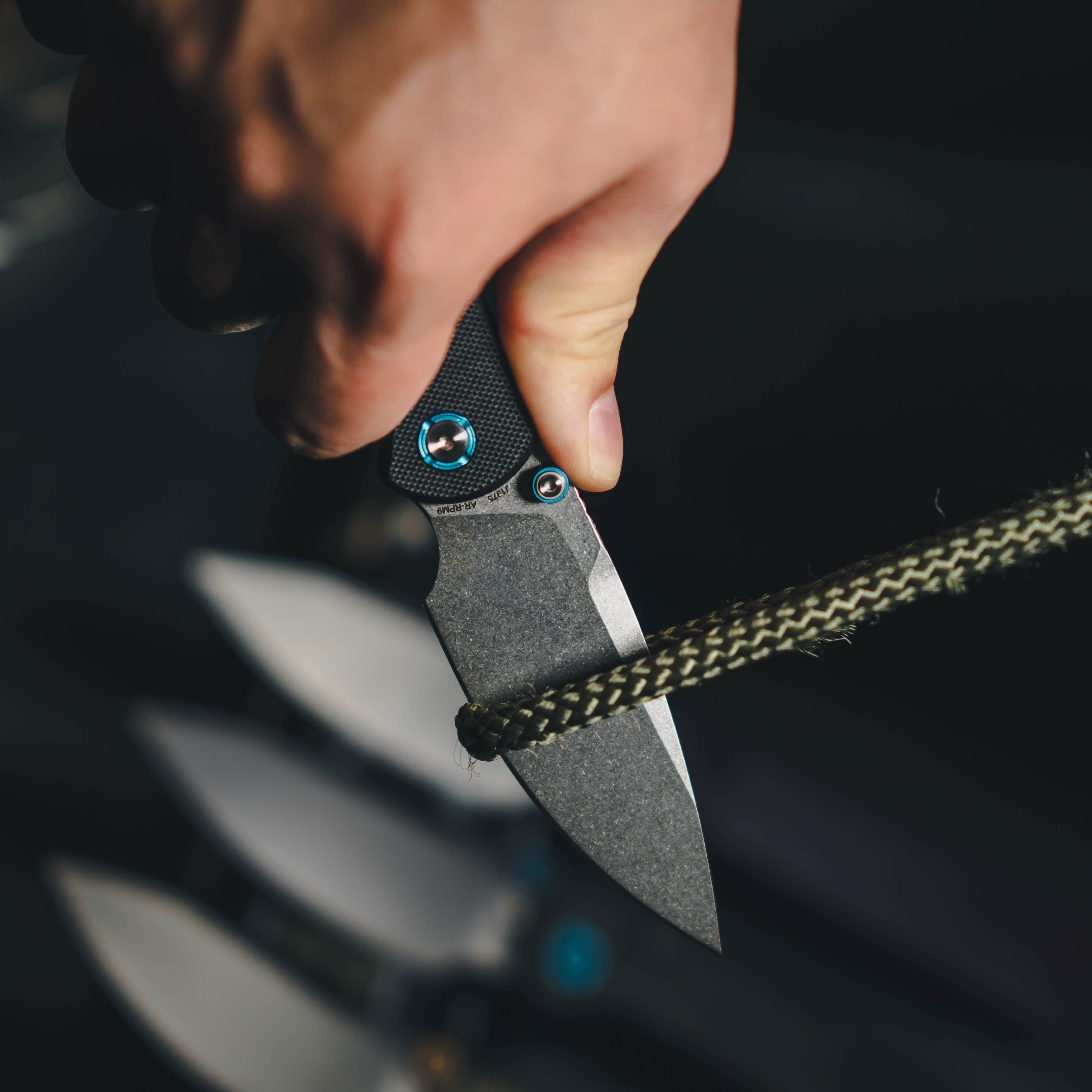
The button lock uses a spring-loaded button that engages a notch in the blade tang. Pressing the button retracts the lock, allowing the blade to close. Button locks are found on both side-opening folders and out-the-front (OTF) automatic knives. They offer excellent one-handed operation and are often paired with flipper or thumb-stud deployment for fast action.
Axis and Crossbar Locks
Popularized by certain American knife manufacturers, the crossbar lock uses a spring-loaded bar that slides back and forth across the blade tang. The user pulls the bar back to unlock, making it fully ambidextrous — equally easy for left and right-handed users. The bar sits in the blade's locking notch when open, providing strong lockup with minimal play. Gravity alone usually cannot close these knives, adding an extra safety margin.
Back Lock: The Classic
The back lock features a notched locking bar on the spine of the handle. When the blade opens, a notch in the blade tang engages with a corresponding notch on the lock bar. To close, the user presses down on the exposed portion of the lock bar at the spine, releasing the blade. Back locks are strong and reliable but require two hands to close safely. They remain popular on traditional outdoor and hunting knives.
Choosing the Right Lock
- Everyday carry — Liner lock or frame lock for balanced strength and convenience
- Hard use / tactical — Frame lock or crossbar lock for maximum strength
- One-handed operation — Button lock or crossbar lock for easy closing
- Traditional style — Back lock or slip joint for classic feel
- Ambidextrous use — Crossbar lock or button lock


Leave a comment
This site is protected by hCaptcha and the hCaptcha Privacy Policy and Terms of Service apply.