

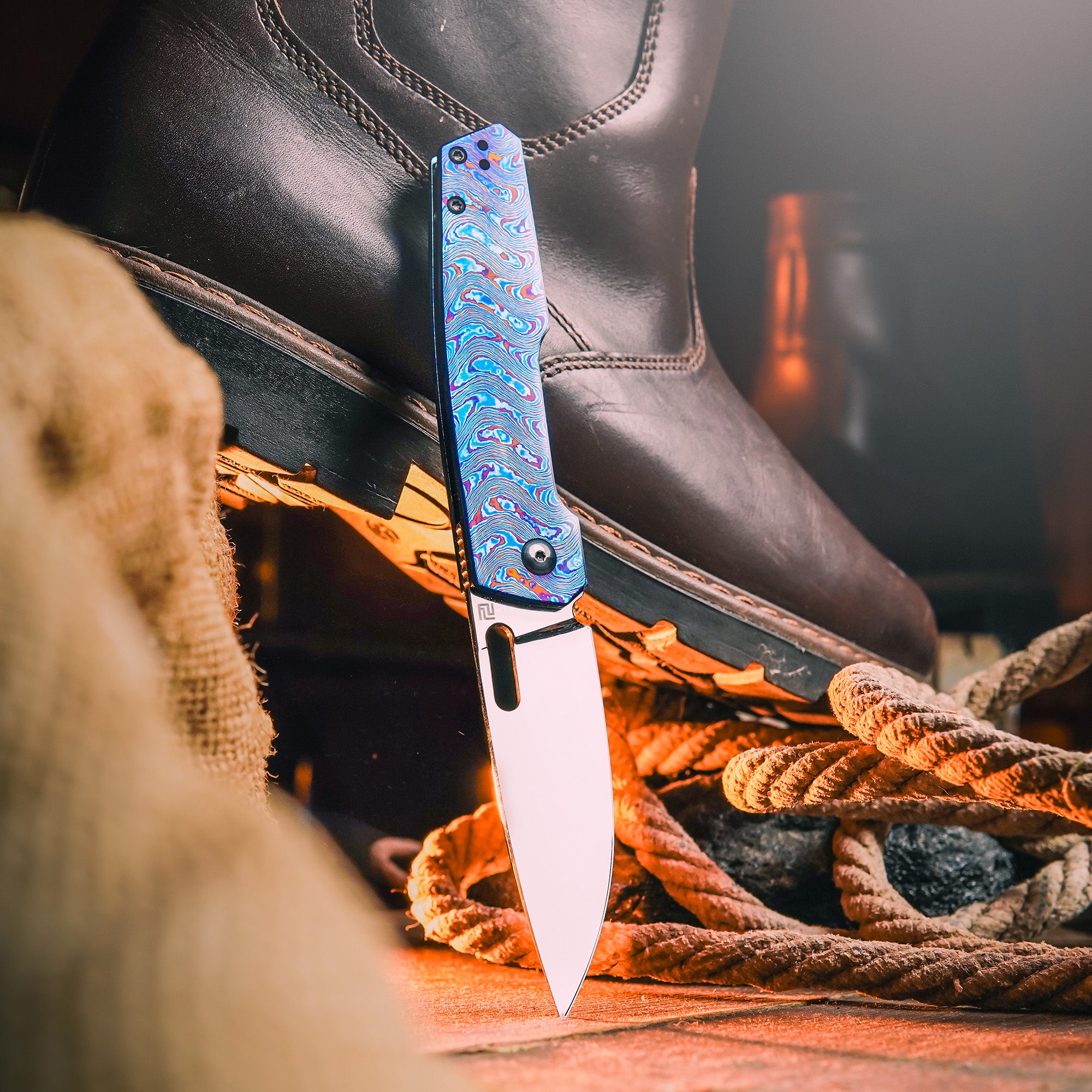
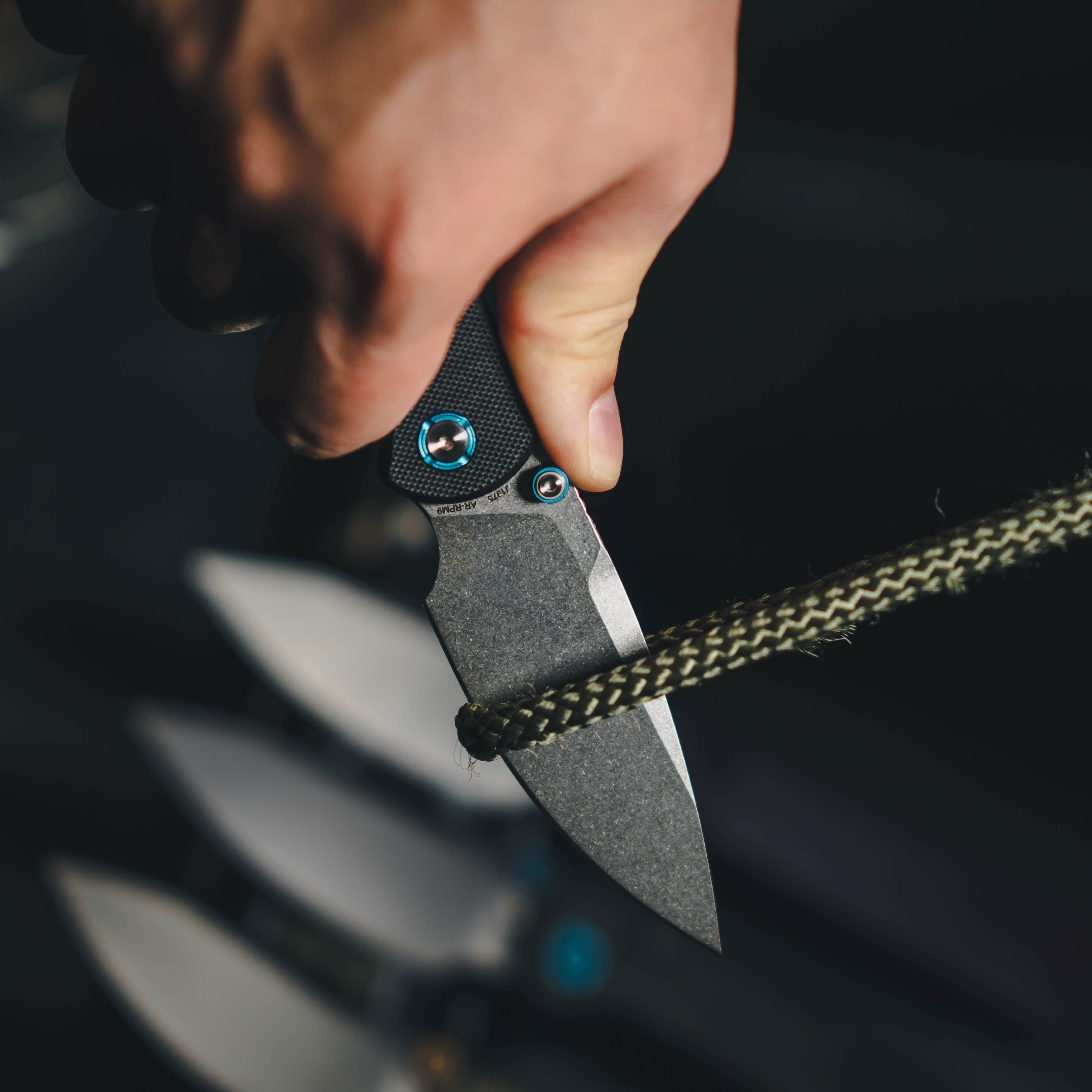
Few blade materials capture the imagination quite like Damascus steel. A Damascus pocket knife combines ancient forging traditions with modern EDC performance, resulting in blades that are as visually striking as they are functional. If you have seen those swirling, layered patterns on a folding knife and wondered what makes them special, this guide will answer every question.

What Is Damascus Steel?
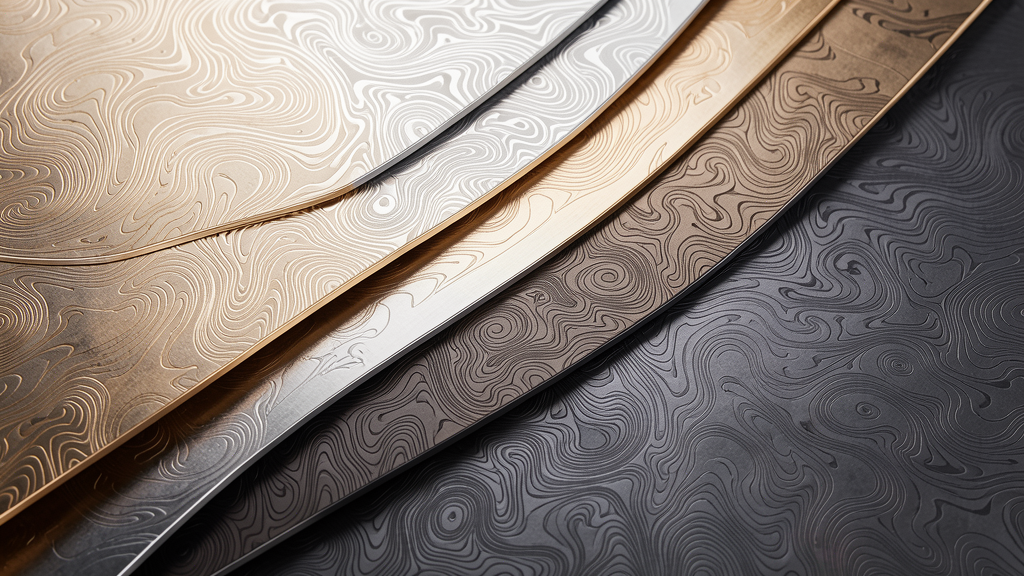
Damascus steel — also called pattern-welded steel — is created by forge-welding multiple layers of different steel types together, then twisting, folding, and manipulating the billet to create distinctive layered patterns. Modern Damascus uses high-carbon steels like 1095 and 15N20 to achieve both beauty and edge performance.
- How it is made: Layers of contrasting steel are forge-welded, drawn out, folded, and etched to reveal the pattern
- Layer count: Can range from a few dozen to several hundred layers
- Etching: The blade is dipped in acid — the darker steel (high-carbon) etches faster, creating depth
- Myth vs reality: Modern Damascus is not magical — it performs similarly to the steels used in its construction
Popular Damascus Patterns
The pattern on a Damascus blade is determined by how the steel billet is manipulated during forging. Here are the most common patterns you will find on a Damascus pocket knife:
- Random pattern: The most common — organic, flowing lines from random forging
- Ladder pattern: Straight, parallel bands created by cutting grooves into the billet
- Twist pattern: Twisted billet creates spiral, rope-like effects
- Raindrop pattern: Circular shapes resembling falling rain — one of the most sought-after
- Feather pattern: Delicate, feather-like lines requiring advanced forging skill
Is Damascus Better Than Standard Steel?
| Property | Damascus Steel | Standard Steel (e.g., D2, S35VN) |
|---|---|---|
| Edge Retention | Depends on core steel mix | Consistent, predictable |
| Corrosion Resistance | Lower — layers can trap moisture | Higher, especially with stainless |
| Aesthetic Appeal | Exceptional — unique patterns | Standard finish |
| Maintenance | Higher — must dry thoroughly | Standard care routine |
| Cost | Premium pricing | Mid-range to premium |
Choosing Your First Damascus Pocket Knife
When shopping for a Damascus pocket knife, prioritize the overall build quality and lock mechanism over the blade pattern alone. A well-made knife with a solid liner lock or frame lock will serve you for years. Look for handles made from durable materials like G10, titanium, or Micarta that complement the aesthetic of the Damascus blade.
Explore our full range of folding pocket knives — including select models featuring premium Damascus steel blades.
Care and Maintenance
A Damascus pocket knife requires a bit more care than a standard stainless steel blade. After each use, wipe the blade clean and dry it thoroughly. Apply a light coat of mineral oil or food-safe oil if the knife is used for food preparation. Never put a Damascus blade in the dishwasher, and avoid prolonged exposure to moisture or acidic substances.
Final Thoughts
A Damascus pocket knife is more than a cutting tool — it is a piece of functional art. The layered patterns tell the story of the forging process, and no two knives look exactly alike. Whether you are a collector seeking uniqueness or an enthusiast who appreciates craftsmanship, Damascus steel offers something no other blade material can match.


Leave a comment
This site is protected by hCaptcha and the hCaptcha Privacy Policy and Terms of Service apply.