

When choosing an everyday carry folding knife, one of the most fundamental design choices is blade edge configuration: double-edged (dagger) or single-edged. Each design philosophy serves different purposes, carries different legal considerations, and offers distinct practical advantages. Understanding the tradeoffs between double-edged dagger blades and conventional single-edge pocket knives helps you make an informed choice that matches your actual daily cutting needs.

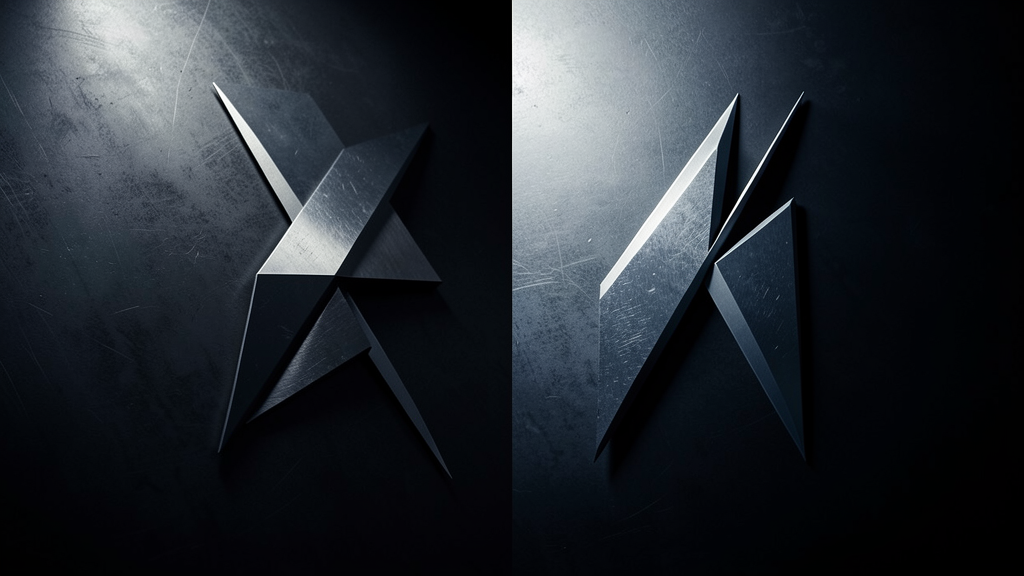
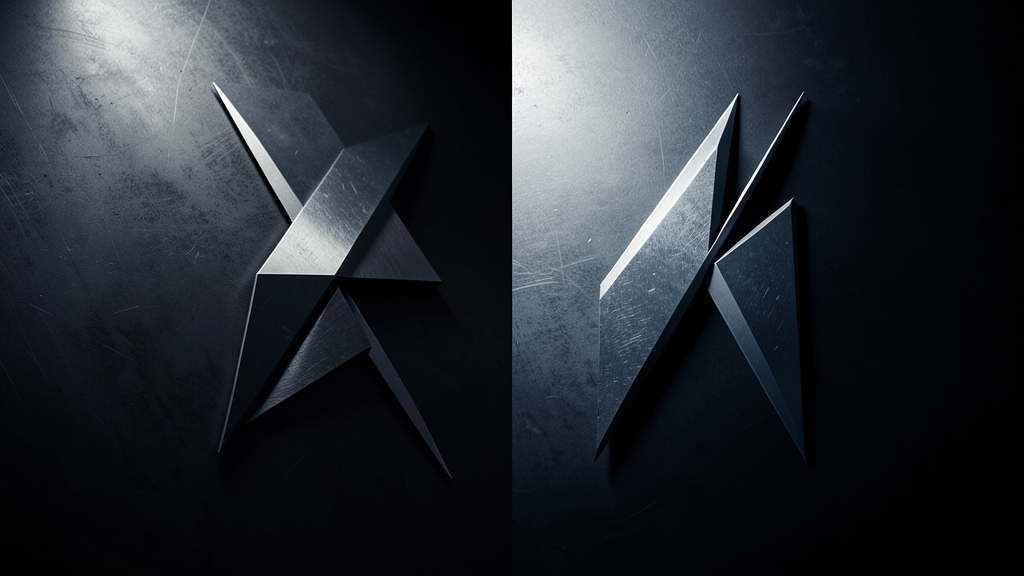
Comparison of double-edged and single-edge blade profiles for EDC folding knives
While dagger knives have a long history as weapons, modern folding dagger interpretations serve a broader range of roles — from self-defense tools to specialized utility cutters. Single-edge pocket knives, on the other hand, dominate the EDC market for good reason: they excel at the everyday cutting tasks most carriers actually encounter.
Blade Geometry: The Core Difference
The defining characteristic of a dagger blade is its symmetrical, double-edged design. Both sides of the blade are sharpened, converging at the tip to create a profile that tapers from the tang to the point. This geometry creates a blade that is optimized for piercing — the tip is centered on the blade's axis, allowing thrusts to track straight.
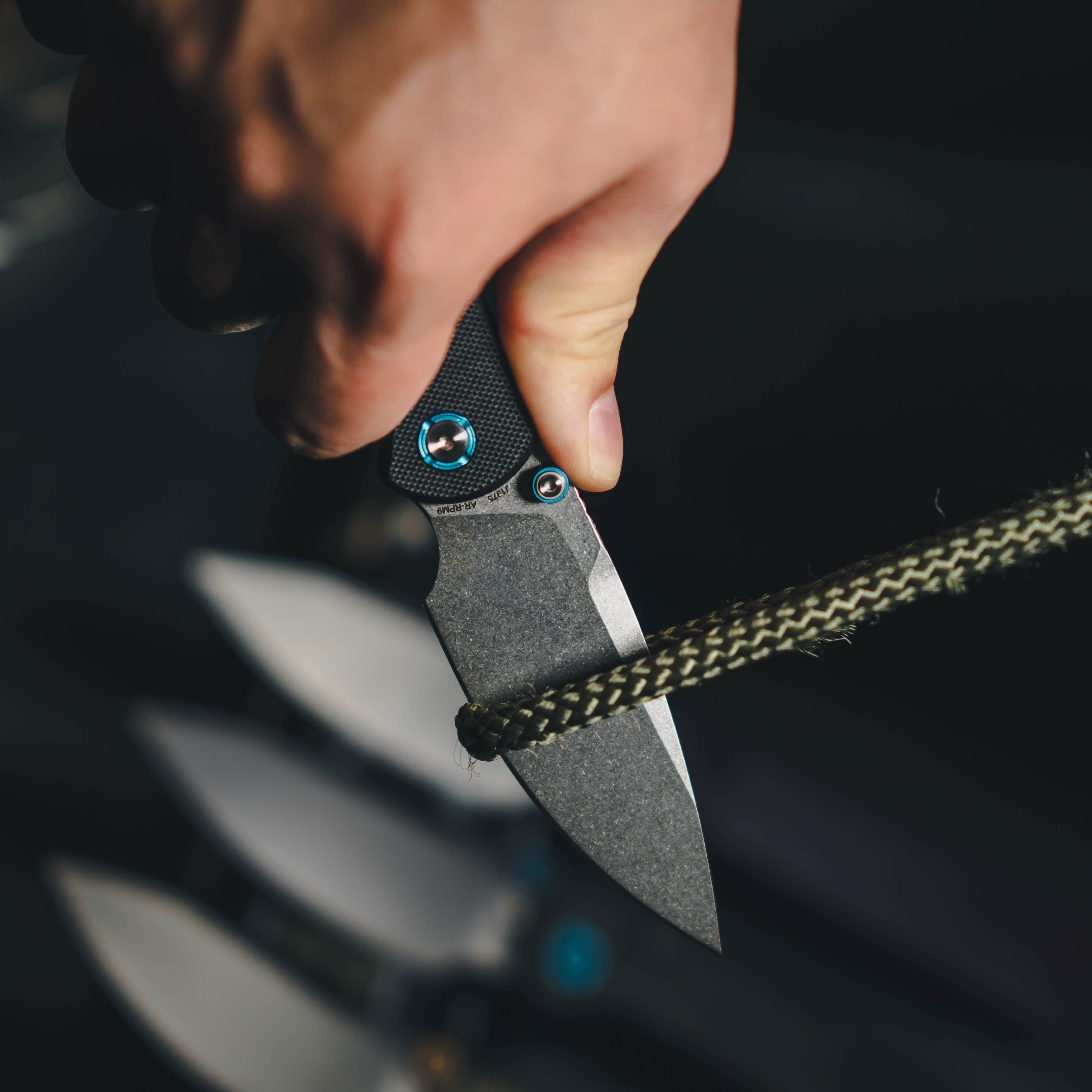
A single-edge pocket knife has one sharpened edge and one unsharpened spine. The spine provides structural strength and a safe surface for thumb placement during cutting. Single-edge blades can take many shapes — drop point, clip point, wharncliffe, and sheepsfoot — each optimized for different cutting tasks rather than piercing.
Practical Cutting Performance
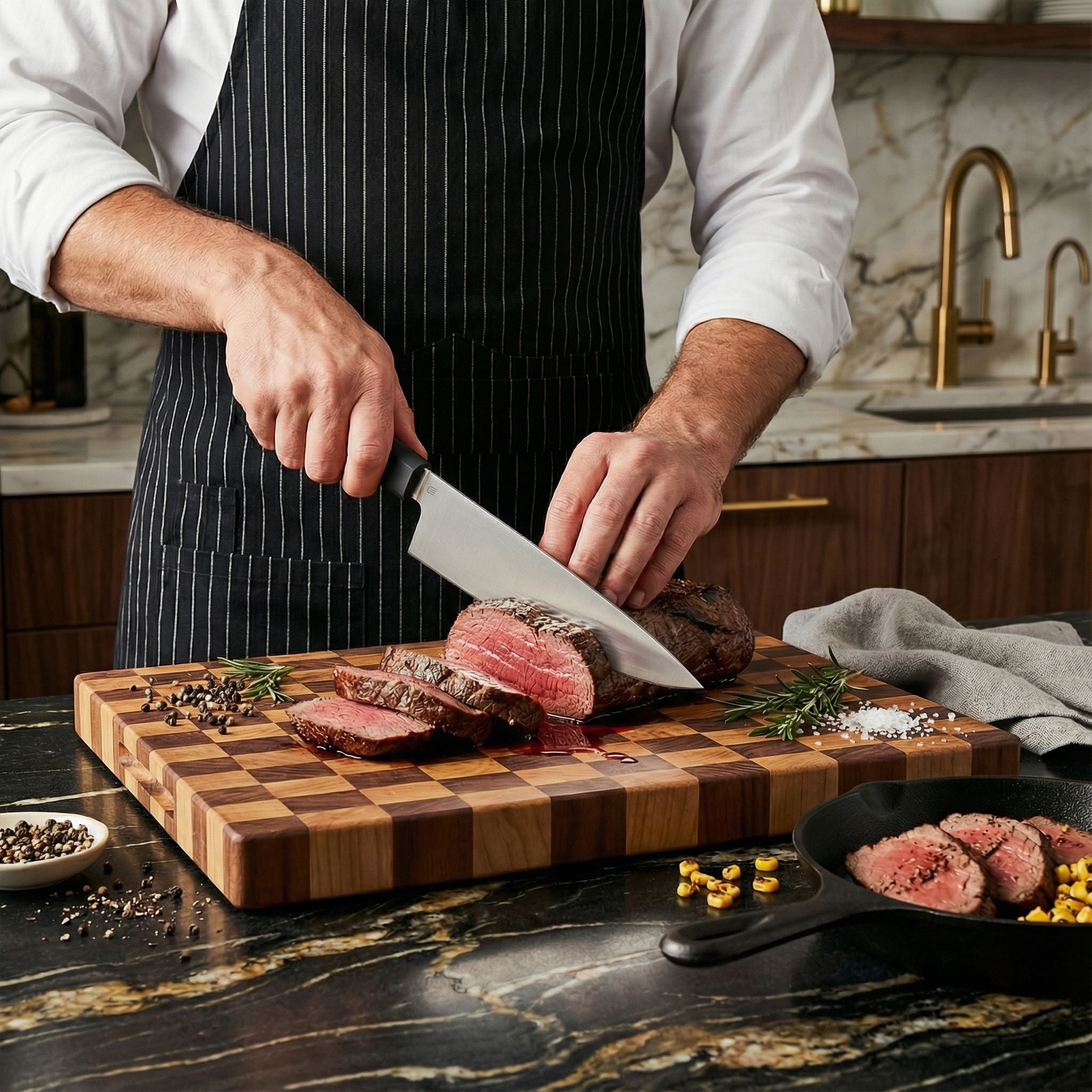
For the vast majority of everyday cutting tasks — opening packages, cutting cordage, preparing food, trimming materials — a single-edge blade outperforms a dagger. Here is why:
- Edge control: A single edge allows you to place your thumb on the spine for leverage and control during precision cuts. A dagger blade has no safe thumb-rest surface.
- Edge geometry: Single-edge blades can be ground thinner behind the edge, improving slicing performance. Dagger blades often have thicker geometry to maintain structural symmetry.
- Tip strength: The symmetrical tip on a dagger blade is more acute and more prone to snapping under lateral stress. Single-edge blades with drop point or sheepsfoot tips are significantly stronger.
- Sharpening simplicity: Maintaining two edges requires twice the sharpening work, and keeping both edges at consistent angles is more challenging than maintaining one.
Legal and Social Considerations
Double-edged knives face stricter legal regulation in many jurisdictions. Several US states and municipalities specifically prohibit carrying concealed double-edged blades, categorizing them as dirks or daggers. Single-edge pocket knives are generally exempt from these restrictions, making them easier to carry legally in most areas.
Social perception also matters. A double-edged dagger blade sends a different signal than a conventional pocket knife, even when both are folded. In professional or social settings, a standard single-edge folding knife is less likely to attract unwanted attention or concern.
Durability and Maintenance
From a maintenance perspective, single-edge knives have clear advantages:
- Edge durability: An unsharpened spine provides a thick, strong section of steel that resists impact damage. Dagger blades lack this structural reinforcement.
- Tip strength: Single-edge blades with drop point or sheepsfoot profiles have reinforced tips that withstand prying and lateral stress better than acute dagger points.
- Sharpening frequency: One edge requires half the sharpening passes and half the material removal of two edges over the knife's lifetime.
- Wear patterns: Uneven wear on dagger blades — where one edge dulls faster than the other — is harder to correct because both edges must be reground together to maintain symmetry.
When a Dagger Design Makes Sense
Despite these tradeoffs, double-edged folding knives have their place. The primary advantage of a dagger blade is piercing capability. For users who prioritize defensive readiness or who need a blade optimized for puncture — rather than slicing — a dagger profile offers capabilities that single-edge designs cannot match.
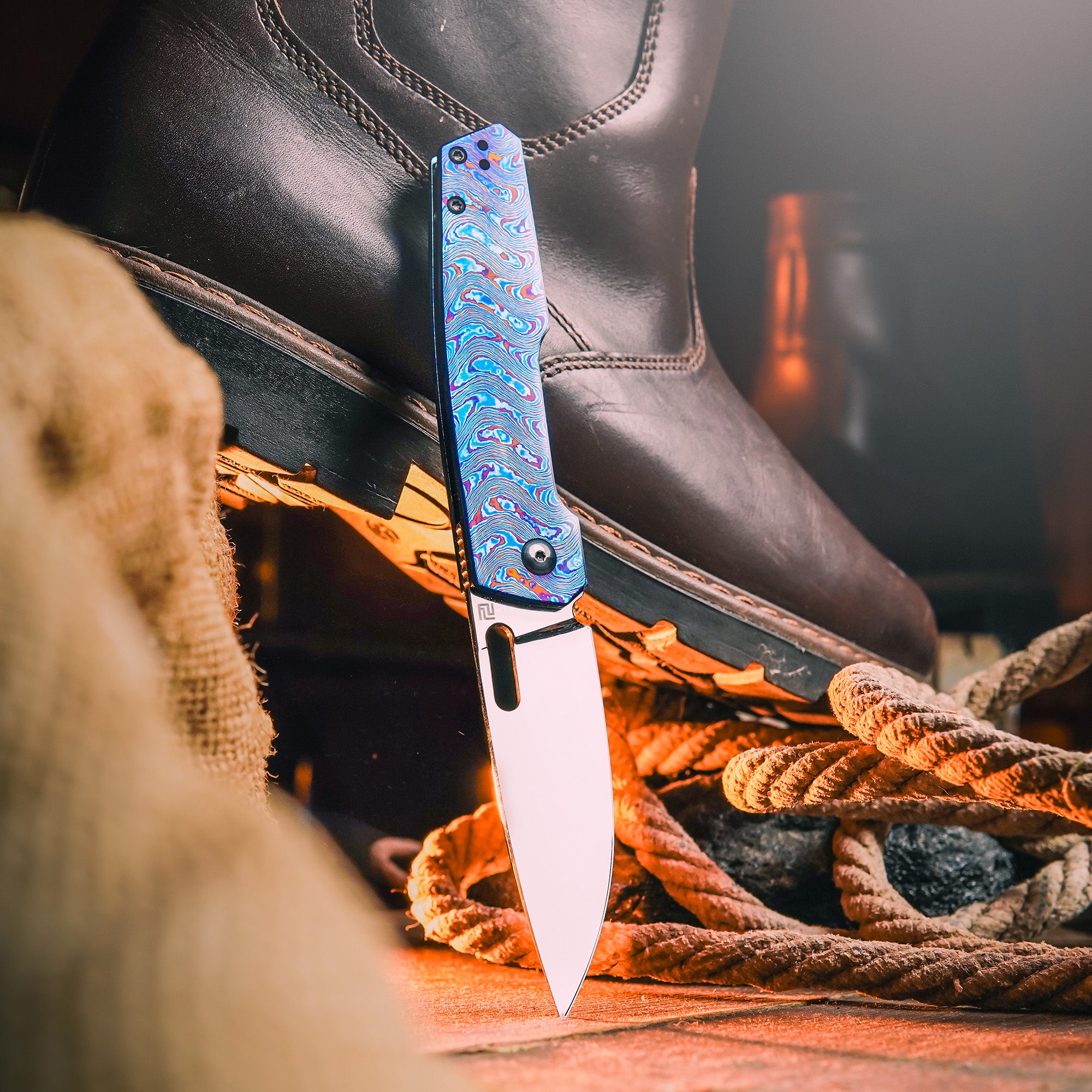
Modern folding daggers, such as those produced by Artisan Cutlery, reinterpret the traditional dagger form for contemporary EDC use. These designs often use premium blade steels like S35VN or D2, incorporate titanium or G10 handles, and feature reliable locking mechanisms. They appeal to collectors and enthusiasts who appreciate the dagger aesthetic and want a folding knife that stands apart visually.
Making the Choice
For most EDC carriers, a quality single-edge folding knife is the more practical, legal, and versatile choice. If you prioritize everyday cutting utility, legal compliance, and ease of maintenance, stick with a conventional single-edge pocket knife. If you are drawn to the dagger aesthetic, value piercing performance for specific use cases, and understand the legal landscape in your area, a modern folding dagger can be a compelling addition to your collection.
The best choice ultimately depends on your specific needs, local laws, and personal preference. Many experienced carriers maintain both — a conventional pocket knife for daily utility and a folding dagger for specialized roles or collection purposes.
Find your ideal everyday carry configuration — explore the Artisan Cutlery folding knife collection for premium EDC folders built for reliable everyday carry.

Leave a comment
This site is protected by hCaptcha and the hCaptcha Privacy Policy and Terms of Service apply.