

The Three Pillars of Knife Steel Performance
When choosing an EDC folding knife, blade steel is one of the most discussed factors. But comparing steels by name alone — "Is M390 better than S35VN?" — misses a critical nuance: steel properties involve trade-offs. No single steel excels at all three pillars of performance: edge retention, toughness, and sharpenability. Understanding these three properties and how they interact is essential for choosing the right steel for your specific needs. This guide explains each property, why they conflict, and how to prioritize based on your cutting tasks.
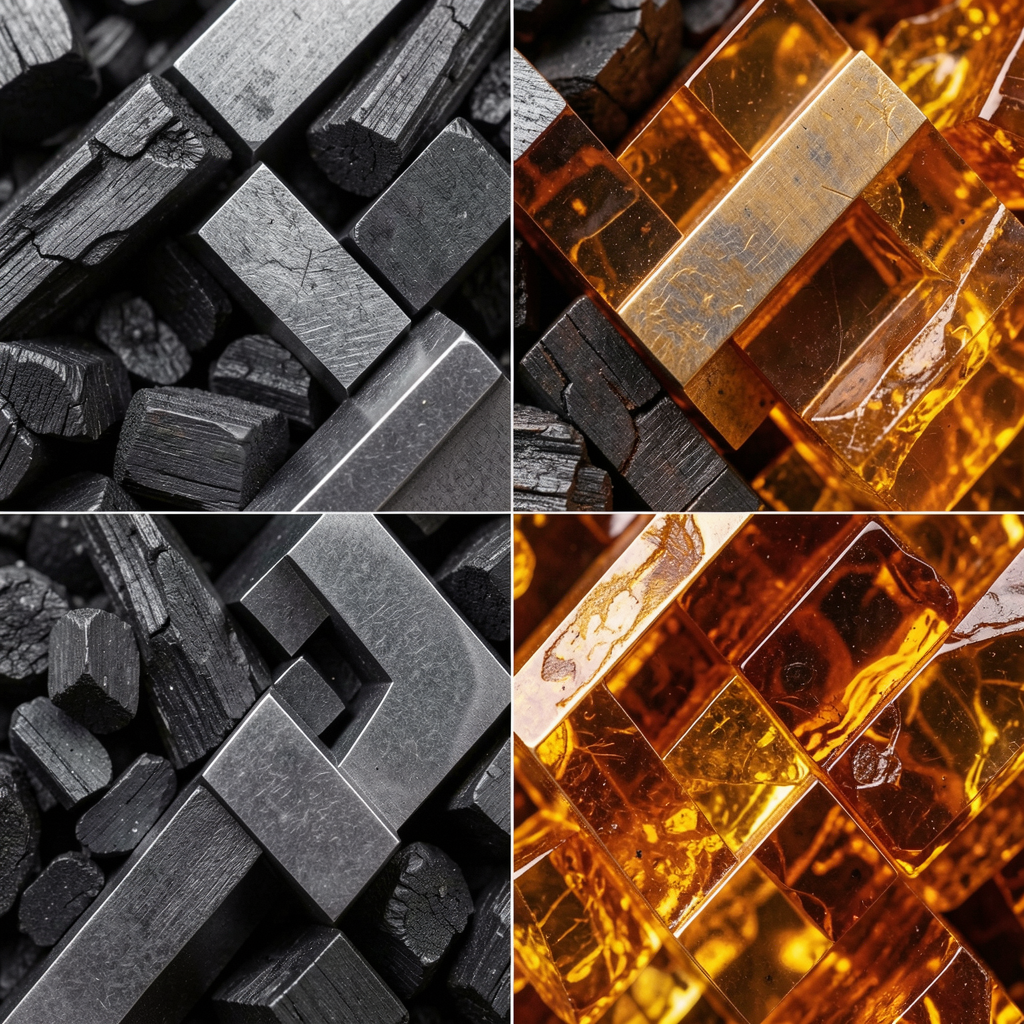
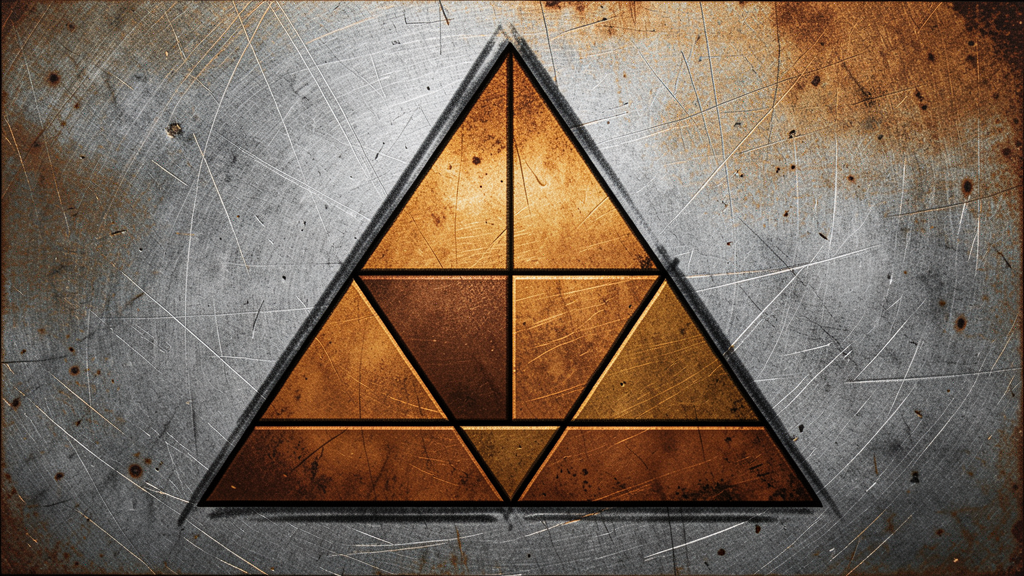
Edge retention, toughness, and sharpenability form a trade-off triangle in knife steel selection.
Edge Retention: How Long Does the Edge Last?
Edge retention describes how long a blade maintains a sharp working edge under normal use. This property is primarily influenced by the steel's carbide volume and hardness. Steels with high carbide content — like M390, S90V, and 20CV — form large, hard vanadium or chromium carbides in the steel matrix. These carbides resist abrasive wear, meaning the blade stays sharp through extended cutting sessions.
High-edge-retention steels typically have Rockwell hardness in the 59-62 HRC range and rely on a high volume of wear-resistant carbides. However, the same carbides that provide wear resistance also make the steel more difficult to sharpen and more prone to chipping under impact.
Examples of high edge retention steels:
- M390 / 20CV — 60-62 HRC, extremely fine carbides, excellent for slicing and push cuts
- CPM S90V — 59-61 HRC, very high vanadium carbide content, edge retention leaders
- CPM S35VN — 59-61 HRC, balanced approach with niobium refinement for easier sharpening
Toughness: Resistance to Chipping and Breaking
Toughness measures a steel's ability to absorb impact without chipping, cracking, or breaking. This property is critical for knives used in demanding tasks: prying, batoning, cutting through hard materials, or any application where the blade may encounter unexpected lateral force.
Toughness is largely determined by the steel's carbide size and distribution. Large, angular carbides act as stress concentration points where cracks can initiate. Steels with small, evenly distributed carbides — or low overall carbide volume — tend to be tougher. Simpler steels with lower alloy content often outperform complex super steels in toughness tests.
Examples of high toughness steels:
- 14C28N — fine carbide structure, excellent impact resistance
- CPM 3V — purpose-built for toughness in hard-use knives
- AEB-L — extremely fine grain structure, known for tough, thin edges
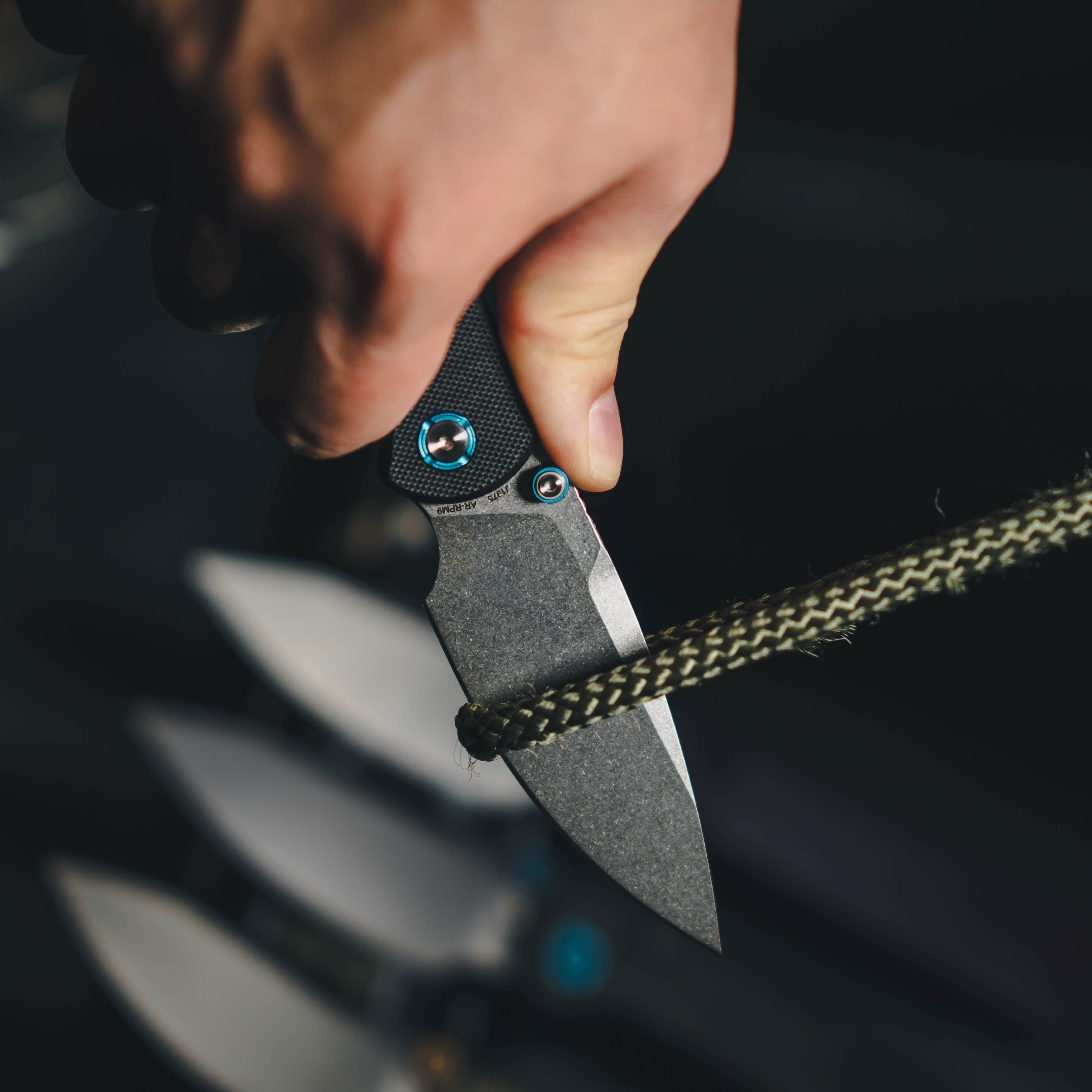
- AR-RPM9 — powder metallurgy with balanced toughness for budget-friendly options
In general, as edge retention increases, toughness decreases. A knife that can hold a razor edge for weeks may chip when cutting through cardboard with a staple, while a tougher steel that dulls faster will simply roll or deform rather than chip.
Sharpenability: How Easy Is It to Restore the Edge?
Sharpenability — sometimes called ease of sharpening — refers to how quickly and easily a dull edge can be restored to sharpness. This property is inversely related to edge retention in most cases. High-carbide steels that hold edges the longest also take the longest to sharpen, requiring diamond abrasives or bonded ceramic stones to cut through the hard carbides.
Steels with simple chemistry and fine grain structure — like 14C28N, Nitro-V, and well-heat-treated D2 — respond quickly to standard sharpening stones and even ceramic rods. They form a burr predictably and polish up with minimal effort. In contrast, heavily alloyed steels like S90V or Maxamet can be frustrating to sharpen without diamond stones.
Sharpenability scale (easiest to hardest):
- Easy: 14C28N, AEB-L, Nitro-V — sharpen with any medium
- Moderate: D2, S35VN, S45VN — respond well but take slightly longer
- Hard: M390, 20CV, Elmax — require diamond or bonded ceramic abrasives
- Very hard: S90V, S110V, Maxamet — need diamond stones; time-consuming to reprofile
The Trade-Off Triangle
These three properties form a classic trade-off triangle in metallurgy. Improving one property typically comes at the expense of one or both others:
| Steel | Edge Retention | Toughness | Sharpenability | Best Use Case |
|---|---|---|---|---|
| 14C28N | Moderate | High | Easy | Budget EDC, outdoor use |
| D2 | High | Moderate | Moderate | Everyday cutting, value |
| S35VN | High | Moderate-High | Moderate | Premium balanced EDC |
| M390 | Very High | Moderate | Hard | Light-duty, edge-holding focus |
| S90V | Extreme | Low | Very Hard | Light slicing, collector appeal |
How to Choose Based on Your Cutting Tasks
Your specific use case determines which property to prioritize:
- Daily office carry / light EDC: Prioritize edge retention. You'll open boxes, envelopes, and packages. M390 or S35VN works well — high edge retention with occasional sharpening.
- Outdoor / camping carry: Prioritize toughness. You may encounter wood, rope, and unexpected impacts. 14C28N, AEB-L, or D2 offers reliable toughness with good edge stability.
- Hard use / trade work: Balance toughness and edge retention. S35VN and S45VN offer a versatile middle ground that handles abrasive materials without excessive chipping.
- Collector / enthusiast: Prioritize whichever property interests you most. Many collectors enjoy the experience of different steels and appreciate the unique characteristics each brings.
For comprehensive data on specific steel chemistries and performance characteristics, Knife Steel Nerds provides detailed metallurgical analysis of virtually every common blade steel. Their work explains how heat treatment and carbide structure directly affect real-world performance.



Leave a comment
This site is protected by hCaptcha and the hCaptcha Privacy Policy and Terms of Service apply.