




Why Safe Knife Disposal Matters
Every EDC enthusiast eventually faces the question of how to dispose of old knives. Whether a blade has reached the end of its service life, suffered damage beyond repair, or simply been replaced by a newer model, proper disposal is essential for safety. Throwing a bare knife into household trash poses risks to sanitation workers, family members, and the environment. This guide covers responsible methods for how to throw out knives safely, with options ranging from blade recycling programs to secure packaging techniques.

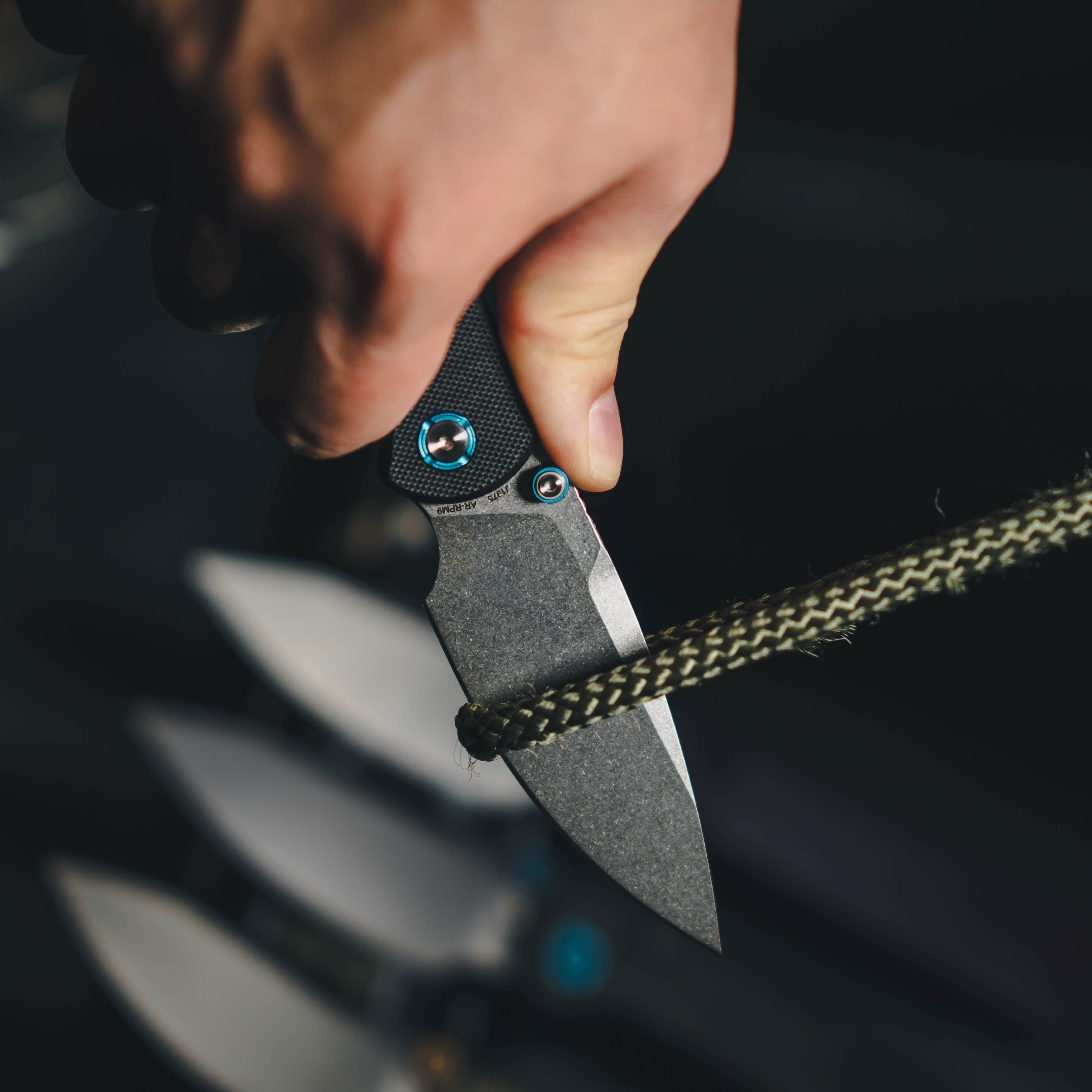
Safe knife disposal requires proper blade wrapping and secure packaging.
Method 1: Blade Recycling and Mail-In Programs
The most environmentally responsible way to dispose of old knives is through recycling. Many knife manufacturers and retailers now offer take-back or mail-in recycling programs. Steel is one of the most recyclable materials on the planet, and quality knife steels like D2, S35VN, and 14C28N can be melted down and repurposed into new products.
- Manufacturer take-back programs: Some brands accept their own knives for recycling or refurbishment. Check the brand's website for their specific program.
- Scrap metal recyclers: Local scrap metal yards will accept knife blades (and sometimes complete knives) as ferrous metal scrap. Call ahead to confirm they accept consumer drop-offs.
- Mail-in knife recycling: A growing number of third-party organizations offer mail-in recycling specifically for bladed tools. Packaging requirements vary, so follow instructions carefully.
Method 2: Safe Home Disposal Packaging
If no recycling option is available and you must discard a knife through household waste, proper packaging is critical. The goal is to ensure no one — including sanitation workers, recyclers, or household members — can accidentally contact the blade.
- Blunt the edge: Use a grinder or file to dull the cutting edge. This reduces injury risk during handling.
- Wrap the blade: Cover the blade in several layers of cardboard, then secure with heavy-duty tape. Alternatively, use a thick rag or denim material.
- Double containerize: Place the wrapped knife inside a rigid container such as a plastic takeout tub, metal can, or PVC pipe. Seal the container completely.
- Label clearly: Mark the container with a permanent marker: "SHARP — KNIFE BLADE" or "CAUTION — BLADED OBJECT" on multiple sides.
- Place in general waste: Put the sealed container in your household general waste bin — not recycling. Recycling facilities have sorting equipment that can be damaged by blades.
Method 3: Sharpening Service Repurposing
Before discarding a knife, consider whether it can be given a second life. A professional sharpening service can often restore blades that seem beyond repair. Deep nicks, chipped edges, and even broken tips can be reground by an experienced sharpener. What looks like a dull, unusable blade frequently just needs proper edge restoration.
If you have knives with sentimental value or quality steel that has simply been neglected, sharpening services are widely available by mail and locally. Services like these extend a knife's life by years and keep steel out of landfills entirely.
Method 4: Donation and Educational Use
Some organizations accept used knives for educational purposes. Trade schools, culinary programs, and metalworking classes sometimes use old knives for training demonstrations, sharpening practice, or metallurgy study. Contact local vocational schools or community college welding/metals programs to ask if they accept knife donations.
Metal art studios and blacksmithing collectives also occasionally take donated knives as raw material for forging projects. These options keep quality steel circulating within the knife community rather than ending up in a landfill.
What Not to Do When Disposing of Knives
Several common disposal methods are dangerous or irresponsible:
- Never throw knives loose into trash bags: Loose blades can puncture bags and injure handlers.
- Never place knives in recycling bins unprotected: Single-stream recycling machinery can be severely damaged by blades, and workers sorting recyclables are at risk.
- Do not bury knives: Buried metal rusts unpredictably and poses a long-term hazard.
- Avoid curbside donation bins: Unsecured blades in clothing donation bins are a known safety issue for charity workers.
How to Prepare a Knife for Disposal or Recycling
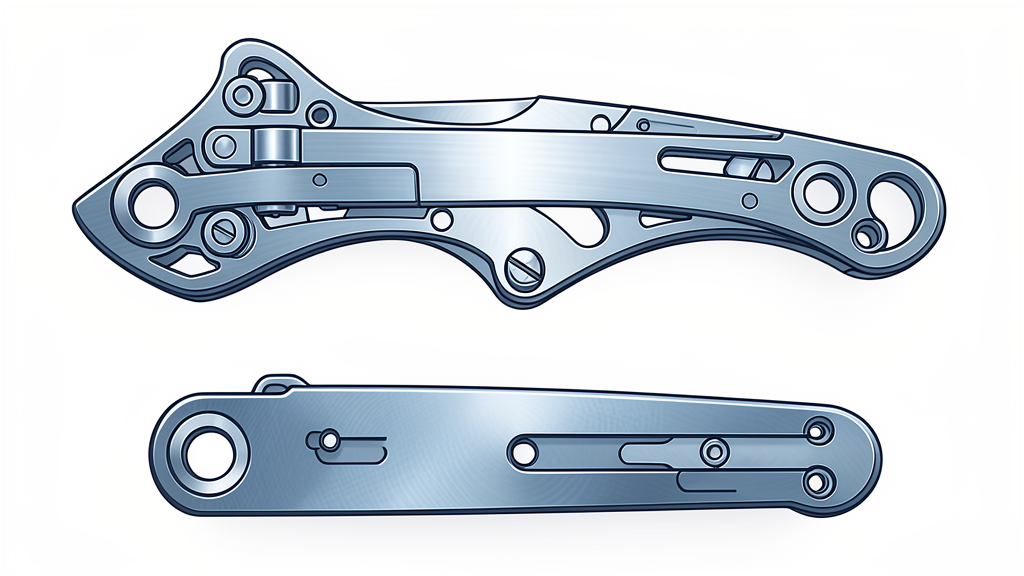
Whether you choose recycling, donation, or safe household disposal, proper preparation follows similar steps. Cleaning the blade and removing handle materials that could interfere with recycling (like G10, Micarta, or carbon fiber) helps processors handle your knife safely. Disassembling folding knives into blade and handle components can make recycling more efficient, as the steel blade goes one direction while titanium, aluminum, or plastic handles go another.
For pocket clip knives, remove the clip and any hardware. These small steel or titanium parts can be recycled separately or kept as spares.


Leave a comment
This site is protected by hCaptcha and the hCaptcha Privacy Policy and Terms of Service apply.