



Why a Maintenance Schedule Matters for EDC
Most knife owners learn how to clean and oil a folding knife at some point. Far fewer have a structured maintenance schedule — a consistent routine that prevents problems before they start. A folding knife that sees daily pocket carry endures pocket lint, dust, moisture, and regular opening cycles. Without scheduled care, pivot action stiffens, blade centering shifts, and corrosion can develop unnoticed. This maintenance schedule provides clear weekly, monthly, and yearly intervals to keep your EDC knife operating at its best.

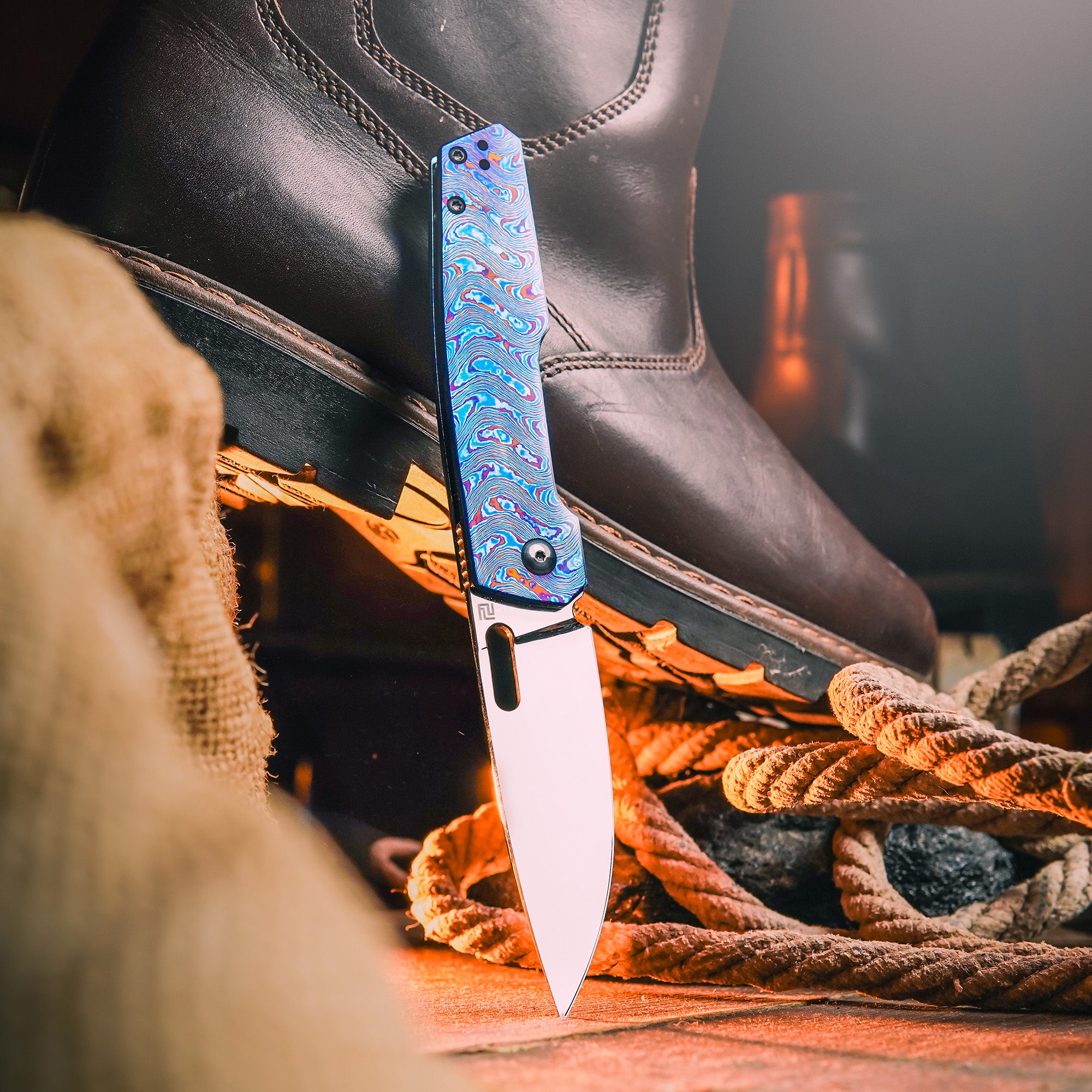
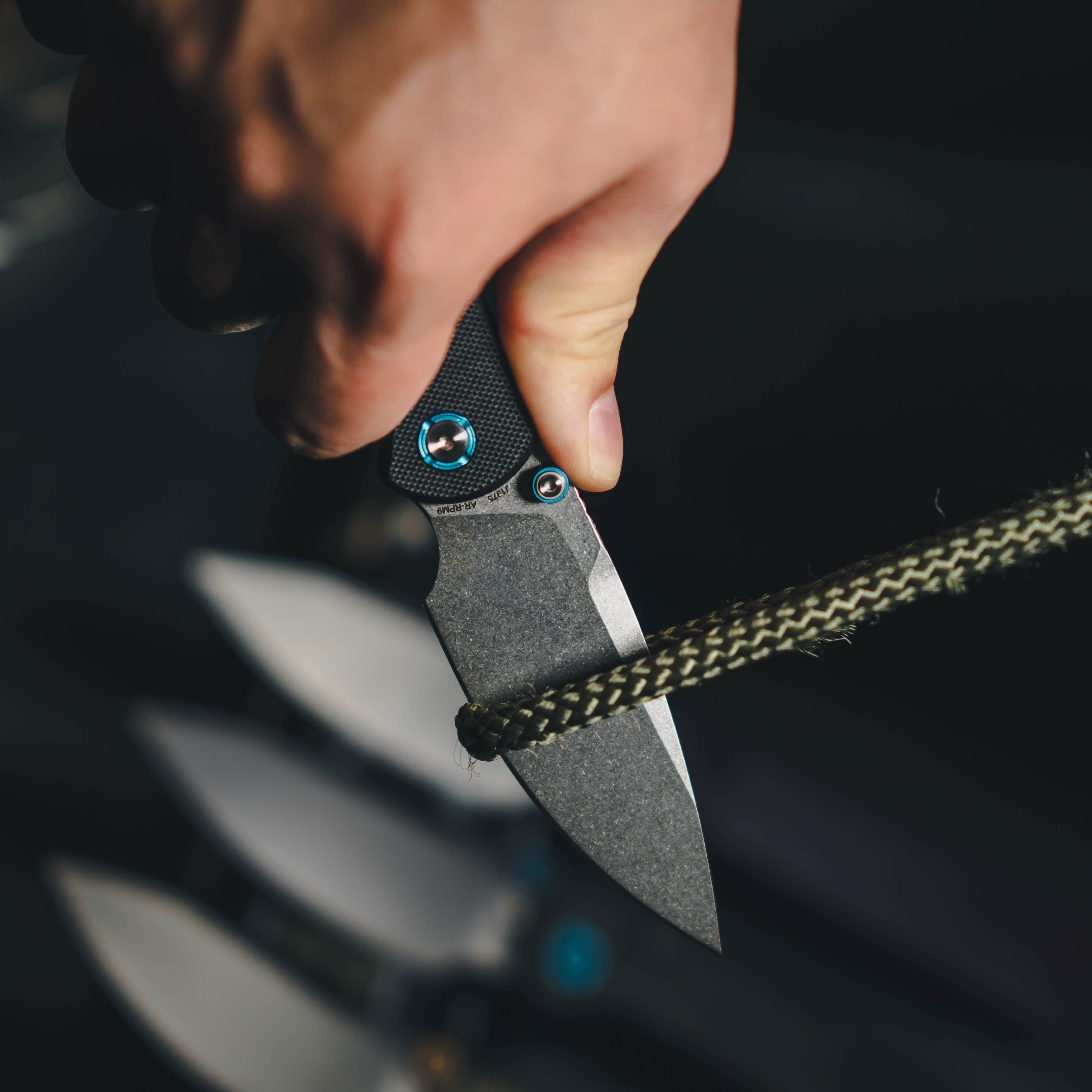
A consistent maintenance schedule keeps your folding knife operating smoothly for years.
Weekly Maintenance: Quick Visual Inspection
Every week, take thirty seconds to inspect your knife. Weekly checks catch minor issues before they become major problems:
- Pivot smoothness check: Open and close the knife. Does it swing freely? Any grit or resistance indicates it's time for a deeper clean.
- Blade centering: Close the blade and check its position between the handle scales. A blade drifting to one side suggests pivot or detent issues.
- Clip tension: Check your pocket clip for looseness. A loose clip can result in losing your knife.
- Surface wipe: Wipe the blade with a clean microfiber cloth to remove moisture, fingerprints, and residue.
That's it — less than a minute. Weekly checks dramatically reduce the chance of waking up to a rusty blade or a knife that no longer locks properly.
Monthly Maintenance: Clean and Lubricate
Once a month, give your folding knife a proper cleaning. Monthly maintenance is the sweet spot for most EDC users — frequent enough to prevent buildup, not so frequent that it feels burdensome.
- Flush the pivot: Apply a cleaning solvent (isopropyl alcohol or commercial knife cleaner) to the pivot area while opening and closing the blade. This flushes out pocket lint, dust, and old lubricant.
- Dry thoroughly: Use compressed air or a clean cloth to remove all solvent. Leaving solvent in the pivot can dilute fresh lubricant.
- Apply lubricant: Add one drop of high-quality knife oil or synthetic lubricant to the pivot area. Work it in by opening and closing the blade several times.
- Wipe excess: Blot any oil that seeps out around the pivot. Excess lubricant attracts dust and lint.
- Tighten hardware: Check all visible screws — pivot screw, clip screws, body screws — and snug them if loose. Use the correct size driver to avoid stripping.
If you carry your knife infrequently — a few times a month — shift to quarterly cleaning instead. The goal is to clean before you notice friction, not after.
Yearly Maintenance: Deep Disassembly and Inspection
Once a year — or whenever the knife has been through heavy use, moisture exposure, or gritty conditions — perform a full disassembly. Not all knives are designed for user disassembly, so check whether your model uses thread-locked pivot screws or pressed pins before attempting.
For knives that can be safely disassembled:
- Full strip-down: Remove all components — blade, scales, liners, washers or bearings, clip, and screws. Lay them out in order.
- Deep clean each part: Clean all metal parts with solvent. Use a soft brush (toothbrush works well) on handle scales to remove embedded dirt.
- Inspect washers or bearings: Check phosphor bronze washers for uneven wear. Inspect bearing races for debris or damage.
- Check the lock bar: Examine the lock bar tip for wear. On liner locks and frame locks, the lock bar should engage at 30-50% of the blade tang. Over-travel (past 50%) signals it's time to retire the knife.
- Lubricate and reassemble: Apply lubricant to pivot surfaces and reassemble, torquing the pivot screw to your preferred tension.
Yearly disassembly also gives you the opportunity to clean handle materials properly — from titanium handles to G10 and Micarta — using the appropriate cleaning method for each material.
Signs Your Knife Needs Care Before Schedule
Certain conditions warrant immediate maintenance regardless of your schedule:
- Submersion in water, salt water, or mud: Disassemble, dry, and relubricate within 24 hours.
- Cutting acidic materials: Fruits, food prep, or plant material can accelerate corrosion on some blade steels.
- Grit in the pivot: If sand, pocket lint, or dirt makes the action gritty, don't wait for monthly cleaning.
- Lock stick or lock rock: These safety issues need immediate investigation, not scheduled maintenance.
Building the Habit
The most effective maintenance schedule is one you actually follow. Keep a small maintenance kit in a convenient spot: a small bottle of lubricant, a microfiber cloth, a driver with common bit sizes, and a can of compressed air. Pair your weekly knife check with an existing habit — Sunday evening prep, Monday morning gear check, or your weekly laundry routine — to make it automatic.
For the fundamentals of blade care and edge maintenance, Science of Sharp offers in-depth analysis on how different sharpening methods affect cutting performance over time.



Leave a comment
This site is protected by hCaptcha and the hCaptcha Privacy Policy and Terms of Service apply.