

Every folding knife in your pocket started as a flat piece of steel and a handful of precision parts. The journey from raw material to finished EDC folder is a surprisingly involved process of cutting, heat treatment, grinding, finishing, and assembly — and understanding it changes how you evaluate quality. Here is a step-by-step tour of how folding knives are made, from steel blank to finished knife.
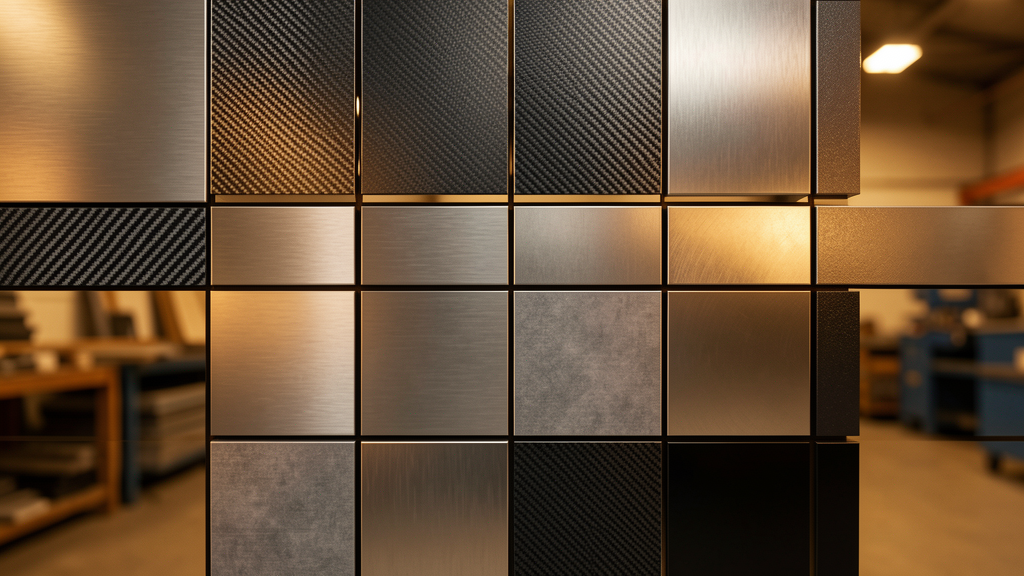
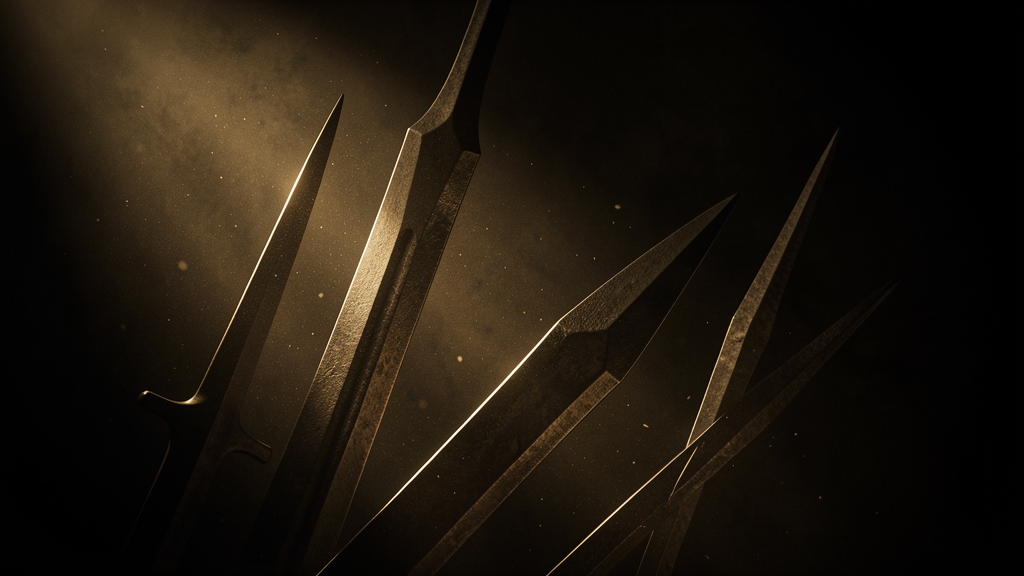
Material texture panels mirroring the stages of knife production
From Steel Coil to Blank: Cutting and Profiling
Manufacturing begins with sheets or coils of blade steel — D2, S35VN, M390, 14C28N, and the rest of the knife steel family. The blade outline is cut from the sheet using water jets, lasers, or stamping dies, producing a 'blank' that already has the knife's rough silhouette: blade shape, tang, and sometimes the pivot hole. At this stage the steel is soft and easy to work — the hardening has not happened yet. The broader art and science of this trade is covered in depth in the knife making article on Wikipedia.
Heat Treatment: Where Performance Is Decided
This is the most important step in the entire process. The blank is heated to a precise austenitizing temperature, quenched to rapidly cool it, and then tempered to relieve internal stress. The exact temperature profile determines the steel's final hardness, toughness, and edge retention — the same steel can become brittle or exceptional depending on how well this stage is executed. Knife manufacturers keep their heat treatment recipes closely guarded because it is here that a premium steel earns its reputation.
- Austenitizing: heating to transform the steel's structure
- Quenching: rapid cooling to lock in hardness
- Tempering: controlled reheating to balance hardness and toughness
Grinding and Finishing: Geometry Meets Aesthetics
After heat treatment, the hardened blank is ground to its final geometry. Flat grinds, hollow grinds, and saber grinds each create different cutting characteristics, and the edge bevel is ground last so it stays clean and sharp. Then comes the finish — the surface treatment that defines how the knife looks and resists corrosion:
- Stonewashing: tumbling with abrasive media for a worn, matte texture
- Satin: fine, uniform brushed lines
- Bead blast: a soft, even matte surface
- Coating: PVD or DLC layers for hardness and corrosion resistance
Handles and Hardware: Putting It Together
While the blade is being processed, the handle components are prepared separately — titanium, G10, micarta, carbon fiber, aluminum, or steel scales, plus the liners, pivot, washers or bearings, lock mechanism, and pocket clip. The parts come together on an assembly line where the blade is mated to the handle, the pivot is tuned for smooth action, and the lock is tested for engagement and safety.
Quality Control: The Final Gate
Before a folder ships, it must pass a series of checks: blade centering, lockup integrity, pivot smoothness, edge sharpness, and clip tension. Reputable manufacturers inspect every knife, not just samples, because a single defective lock or off-center blade reflects on the whole batch. This is the stage that separates a carefully made knife from a careless one — and it is why two knives with identical steel can feel completely different in hand.
Why the Process Matters When You Buy
Knowing how folding knives are made helps you read the signals of quality: consistent grind lines, even blade centering, a solid lockup, and smooth action all point back to careful manufacturing. It also explains pricing — premium steel, precise heat treatment, and thorough QC cost money, and the difference shows up in performance that lasts for years.
See the finished product of this process in the Artisan Cutlery folding knife collection, or browse all Artisan Cutlery products for blades built for reliable everyday carry.


Leave a comment
This site is protected by hCaptcha and the hCaptcha Privacy Policy and Terms of Service apply.