

A drop of the right lubricant is the cheapest upgrade you can make to a folding knife. The pivot is where the whole design lives or dies: with proper lubrication the blade opens smoothly, closes confidently, and resists the grit and moisture that wear a knife down over time. The question is not whether to oil your knife — it is which oil, and how much.
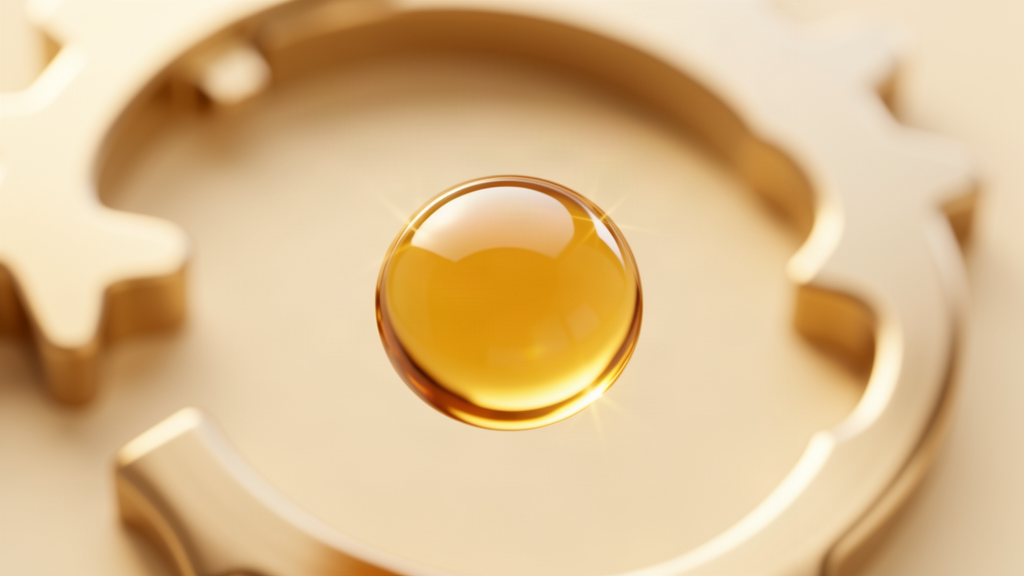
A drop of the right oil keeps a pivot smooth for weeks.
Why Lubrication Matters
- Smooth action: a thin film of lubricant between the blade tang and the pivot reduces friction so the knife flicks open and drops shut freely.
- Corrosion protection: oil displaces moisture from steel surfaces, slowing rust and staining on carbon steels and tool steels.
- Debris management: the right lubricant carries grit away from the pivot instead of letting it grind into the action.
The Main Lubricant Types
| Type | Best for | Strengths | Watch out for |
|---|---|---|---|
| Mineral oil | All-around EDC, food-safe carry | Cheap, safe on food-contact knives, easy to clean | Thinner protection against heavy moisture |
| Silicone oil | Corrosion protection, coated blades | Water-resistant, clear, safe on most handle materials | Less of a true friction reducer than dedicated lubes |
| PTFE lube | Ultra-smooth pivots | Very low friction, long-lasting | Wet carriers can attract dust |
| Dry lubricants | Dusty or gritty environments | No wet residue, less dirt pickup | Wear off faster under heavy use |
| Grease | Heavy-use and outdoor knives | Stays in place, great under load | Thicker, attracts debris, needs more cleaning |
Mineral Oil: The Everyday Default
Plain food-grade mineral oil is the classic knife lubricant, and for good reason: it is inexpensive, readily available, and safe to use on knives that touch food. It cleans easily, does not gum up, and provides perfectly adequate pivot lubrication for most EDC use. If you carry one knife and want a single bottle that does everything, food-grade mineral oil is the least complicated choice.
Silicone and PTFE: When You Want Less Friction
Silicone oil and PTFE-based lubricants step in when you want the slickest possible pivot action. Silicone is a strong water barrier, which makes it useful on knives exposed to rain or humidity. PTFE-based lubes offer extremely low friction and stay effective for a long time between applications — a favorite among carriers who tune their knives for fidget-friendly action. The trade-off is that wet lubricants attract dust over time, so in sandy or gritty environments a dry PTFE lube can be the smarter pick.
Grease: Built for Heavy Use
Grease is the right answer for knives that get abused: outdoor work, hard cutting, wet conditions. It stays where you put it, so it keeps protecting long after an oil has drained away. The cost is maintenance — grease holds onto debris, and a greasy pivot needs periodic disassembly and cleaning to stay smooth. For a hard-use knife, that trade is usually worth it.
A Note on WD-40 and Solvents
Many people reach for WD-40 as a first instinct, but it is primarily a water-displacing solvent, not a long-term lubricant. It is genuinely useful for freeing a stuck pivot and flushing moisture out of a knife, but the film it leaves evaporates quickly. Use it as a cleaner and rust-breaker, then follow up with a proper oil or grease.
How to Apply Lubricant to a Folding Knife
- Clean the pivot area first — a dirty pivot with fresh oil is just a paste.
- Open the knife and place a single drop of oil where the blade tang meets the pivot.
- Work the blade open and closed several times to work the lubricant in.
- Wipe away any excess with a clean cloth — a film is enough, a puddle attracts grit.
- For washers, a drop on each side of the pivot is usually plenty; for bearings, let a thin drop run around the bearing race.
How Often Should You Oil?
There is no universal schedule, but a simple rule works: oil after every cleaning, and any time the action starts to feel gritty or stiff. Light-duty pocket carry may only need a drop every few weeks, while hard-use or wet-environment knives benefit from more frequent attention. A knife that lives in a pocket next to lint and dust will need its pivot flushed more often than one that rides in a sheath. For the science behind how lubricants reduce friction, the lubricant article is a useful reference.
The Bottom Line
You do not need a drawer full of lubricants. Start with food-grade mineral oil for everyday carry, add a dry PTFE lube if you want maximum pivot slickness or carry in dusty conditions, and reach for grease only for knives that take real abuse. Whatever you choose, the golden rule is the same: a thin film, worked in and wiped clean, beats a heavy coating every time.
Own a premium Artisan Cutlery folder and want to keep it running like new? Browse the Artisan Cutlery catalog and keep a drop of good oil handy for reliable everyday carry.



Leave a comment
This site is protected by hCaptcha and the hCaptcha Privacy Policy and Terms of Service apply.