


The Unique Challenge of Carrying a Knife Left-Handed
Approximately 10 percent of the population is left-handed, yet most folding knife designs are optimized for right-handed use. Right-handed knives feature pocket clips on the right side of the handle, thumb studs positioned for right thumb deployment, and liner locks that engage naturally when held in the right hand. For left-handed carriers, this can make everyday tasks — from opening a package to deploying a blade one-handed — unnecessarily awkward. Fortunately, the modern knife industry has made meaningful strides in ambidextrous and left-handed designs, making it easier than ever to find a left-handed EDC knife that performs as well as its right-handed counterpart.

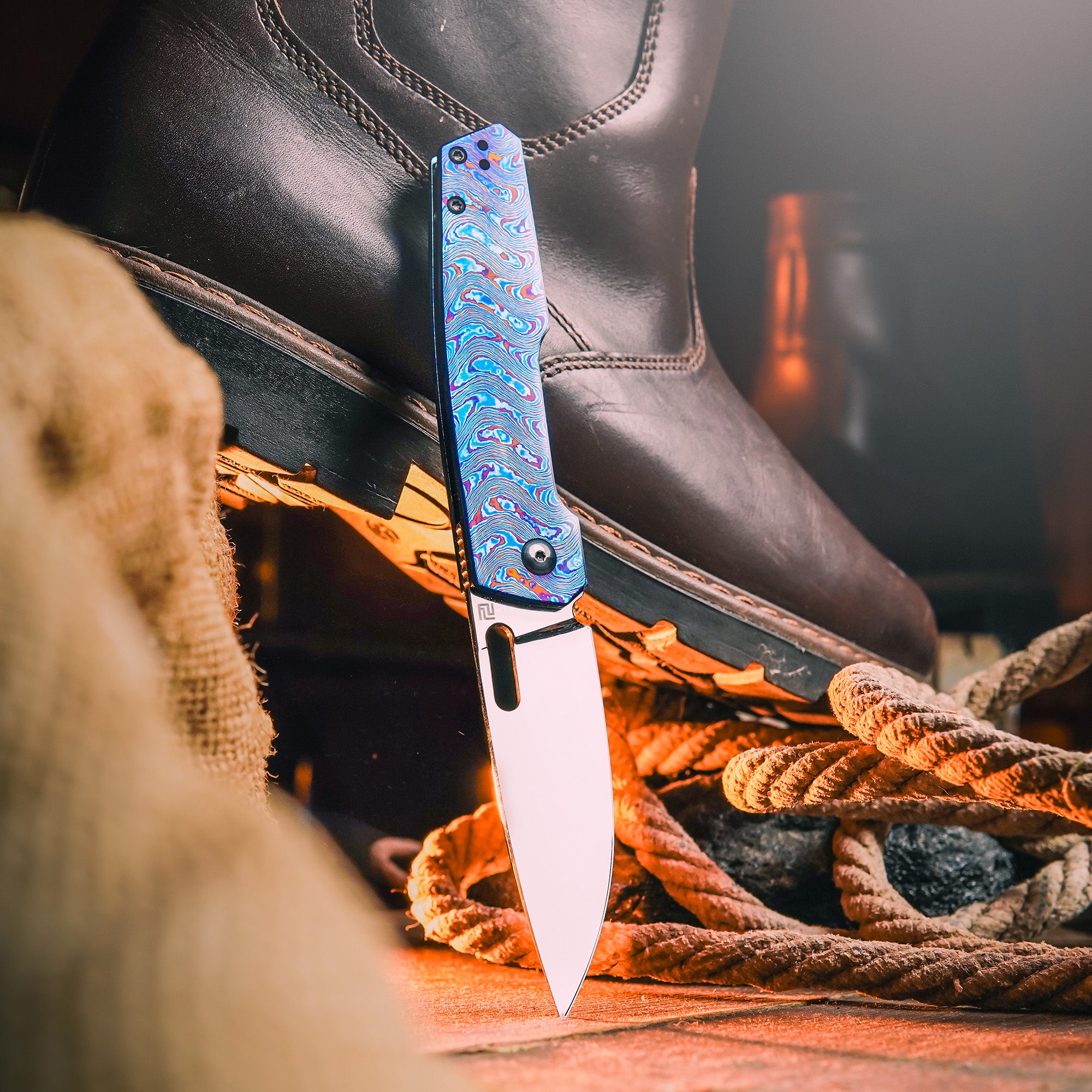
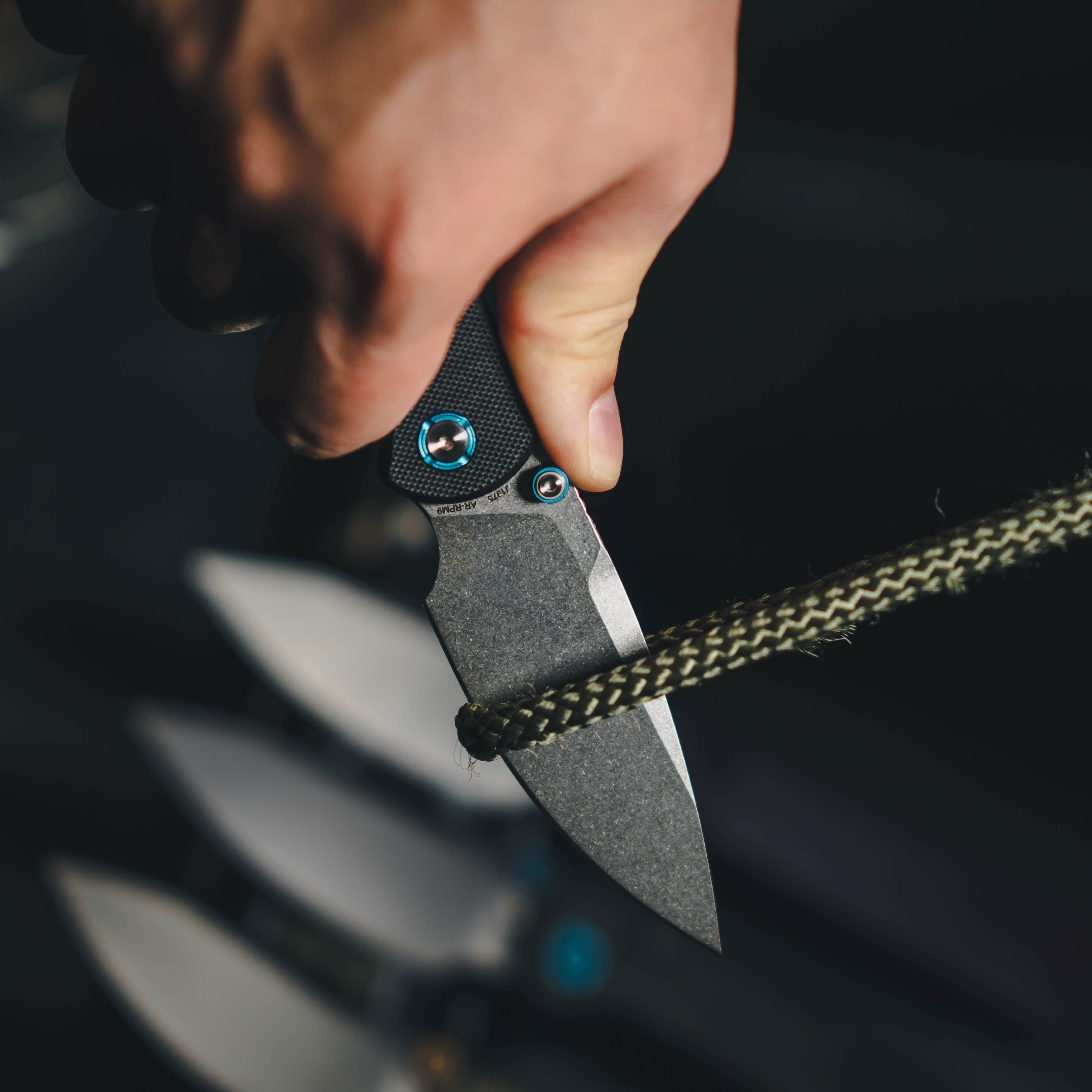
Symmetrical handle designs and reversible pocket clips make modern EDC knives more accessible for left-handed carriers.
Key Features to Look for in a Left-Handed EDC Knife
When choosing a folding knife for left-handed daily carry, several design features make the difference between a frustrating experience and a seamless one:
- Reversible pocket clip — The most critical feature. A clip that can be moved to the left side of the handle allows left-handed tip-up or tip-down carry. Many modern knives include this as standard, but budget models sometimes lack screw holes on both sides of the handle.
- Ambidextrous deployment — Thumb holes (Spyderco-style round holes), thumb plates, or dual thumb studs work equally well for either hand. Front flippers are also inherently ambidextrous since they rely on a forward index finger push accessible from both sides.
- Ambidextrous lock access — Crossbar locks (like those found on many modern EDC knives), button locks, and compression locks can be operated from either side with equal ease. Liner locks and frame locks are typically right-hand biased unless specifically designed as a left-hand version.
- Neutral handle ergonomics — Handles without aggressive right-side thumb ramps or index finger grooves that assume right-handed grip. Fully symmetrical handles work best for left-handed users.
Lock Types Ranked for Left-Handed Accessibility
| Lock Type | Left-Handed Ease | Notes |
|---|---|---|
| Crossbar Lock | ★★★★★ | Fully ambidextrous — pull back with either index finger |
| Button Lock | ★★★★★ | Center-mounted button accessible from both sides |
| Compression Lock | ★★★★☆ | Left-handed access possible with practice |
| Liner Lock (reversible) | ★★★☆☆ | Requires a specifically reversed liner lock design |
| Frame Lock (standard) | ★★☆☆☆ | Strong bias toward right-handed grip |
| Lock Back | ★★☆☆☆ | Center spine release, requires left thumb reach |
Deployment Mechanisms for Left-Handed Use
Not all opening mechanisms are equally accessible for left-handed users. Here is how the common deployment systems compare:
- Thumb hole — Fully ambidextrous. The circular hole centered on the blade works identically regardless of which hand holds the knife. This is arguably the most left-hand-friendly deployment method available.
- Dual thumb studs — Excellent when the knife has studs on both sides of the blade. Some budget models only include a single right-side stud, so verify before purchasing.
- Front flipper — Inherently ambidextrous. The flipper tab extends from the blade tang and is activated by the index finger, regardless of which hand holds the knife.
- Button deployment — Some modern button lock knives feature a button that both unlocks and deploys the blade. These are fully accessible from either hand.
- Standard flipper tab — Can be used left-handed but requires adjusting grip. The index finger on the left hand sits naturally on the flipper tab for most symmetrical handle shapes.
Pocket Clip Configuration for Left-Handed Carry
For left-handed carriers, the ideal pocket clip configuration is left-side, tip-up carry. This positions the knife with the blade spine facing the back of the pocket, and the clip along the left edge of the pocket. The thumb hole or thumb stud is then readily accessible when reaching in with the left hand. Many modern EDC knives ship with fully reversible clips, but it is worth verifying that the clip screw holes are drilled on both handle scales — some budget models only offer right-side clip positions.
Artisan Cutlery's folding knife lineup includes several models with reversible pocket clips and ambidextrous-friendly designs. Browse the Artisan Cutlery folding pocket knife collection to explore options suited for left-handed carry.
Tips for Left-Handed EDC Knife Shopping
When evaluating a knife for left-handed use, check these details before purchasing:
- Confirm the pocket clip is fully reversible (screw holes on both handle scales)
- Verify that thumb studs are present on both sides of the blade or that a thumb hole is used
- Check the lock type — crossbar locks and button locks are the most left-hand-friendly
- Consider the handle symmetry — avoid models with aggressive right-side-only ergonomic shaping
- Read user reviews from left-handed carriers — real-world feedback is invaluable
For additional background on folding knife lock mechanisms and their operation, Wikipedia's pocket knife article provides a useful overview of common lock types.

Leave a comment
This site is protected by hCaptcha and the hCaptcha Privacy Policy and Terms of Service apply.