

VG-10 is one of the most respected stainless steels in the knife world, and yet it rarely gets the attention lavished on M390 or S35VN. That is a shame, because VG-10 has been quietly powering premium Japanese blades for decades — from chef's knives to sports cutlery to EDC folders. It is a high-carbon stainless steel built around roughly 1 percent carbon and 15 percent chromium, with molybdenum, vanadium, and a distinctive cobalt addition. Here is what makes it special and where it fits in your carry.
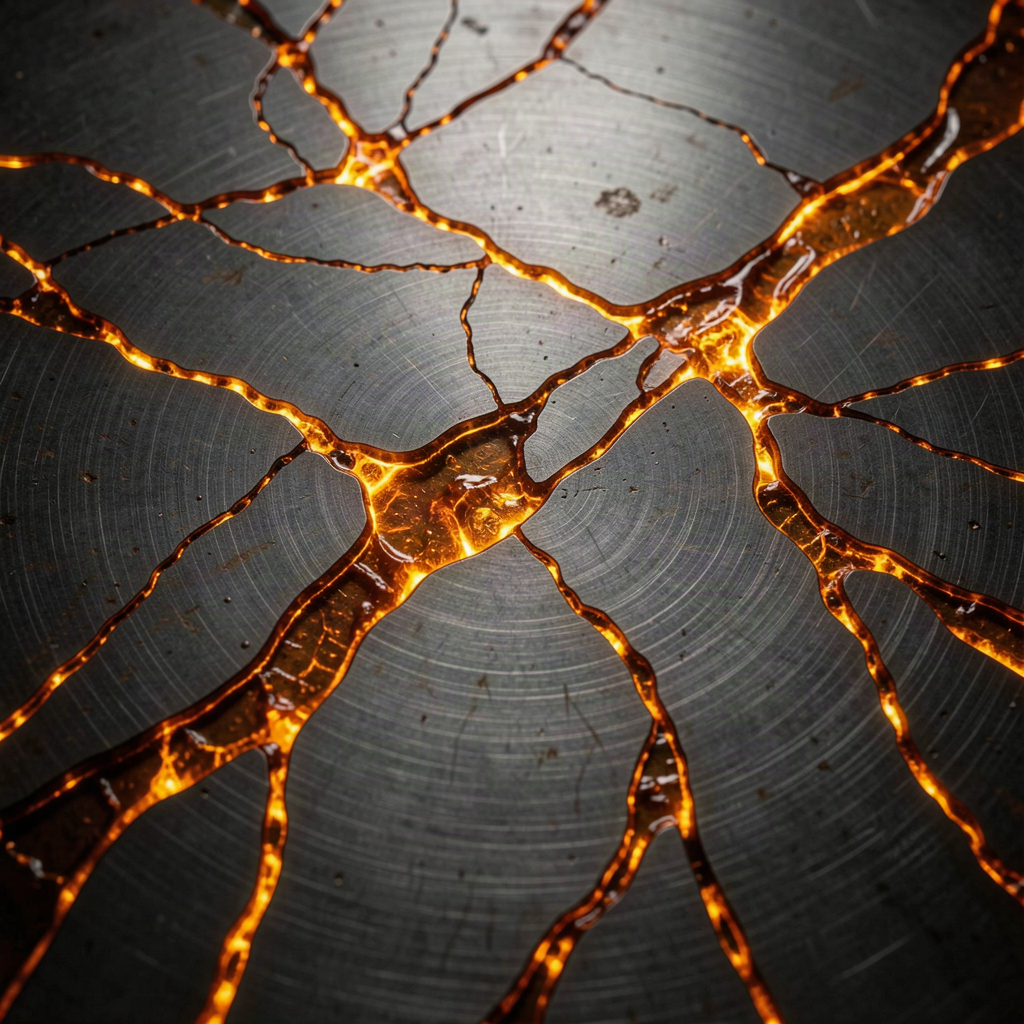
Fine-grained, high-chromium stainless forged in Japan's Echizen steel tradition.
Where VG-10 Comes From
VG-10 was originally designed by Takefu Special Steel Co. Ltd., based in Takefu, Fukui Prefecture, Japan — the former cutlery and sword-making center of Echizen. That heritage shows in the steel's priorities: excellent edge stability, fine grain, and corrosion resistance tuned for kitchen work. Almost all VG-10 blades are manufactured in Japan, and the steel was first aimed at Japanese chefs before finding its way into sports cutlery and folding knives.
Takefu also produces a variant called VG10W, which adds about 0.4 percent tungsten to the recipe. The tungsten addition pushes hardness and wear resistance a step further, and VG10W shows up in higher-end kitchen and outdoor blades.
The Cobalt Question
VG-10's most unusual ingredient is cobalt. In high-speed steels, cobalt is added to improve hot hardness — the ability to keep hardness at high operating temperatures — but VG-10 is not a high-speed steel, so the addition has long puzzled metallurgists. Some sources claim cobalt improves toughness, while others describe it more vaguely: Spyderco's summary says cobalt intensifies the individual effects of other elements in more complex steels. The debate shows how much folklore surrounds steel composition, and why it pays to judge a blade by how it performs rather than by its ingredient list alone.
How VG-10 Performs
- Edge retention: very good for a stainless steel in its class — a strong step above entry-level stainless, though not in the super-steel league of M390 or S90V.
- Corrosion resistance: excellent thanks to the high chromium content; VG-10 is a low-maintenance steel for humid environments and kitchen use.
- Toughness: solid for a high-carbon stainless; fine grain structure helps it hold a working edge without excessive chipping in normal use.
- Sharpenability: responsive to stones and guided systems — VG-10 takes a keen edge and touches up quickly.
VG-10 vs Common EDC Steels
| Steel | Character | Best role |
|---|---|---|
| VG-10 | Corrosion-resistant, keen edges, easy upkeep | All-around daily carry and kitchen |
| D2 | High wear resistance, tool steel edge holding | Hard-use cutting where maintenance is accepted |
| 14C28N | Very tough, easy to sharpen | Value knives and heavy-duty slicing |
| S35VN | Balanced premium stainless | Premium folders, great all-rounder |
| M390 | Top-tier edge retention | Premium folders for maximum edge life |
Is VG-10 Right for You?
VG-10 is an ideal choice if you want a stainless blade that stays sharp, shrugs off moisture, and does not demand a sharpening ritual. It is not the steel for someone chasing absolute maximum edge retention — the super steels win that race — but for most people, most days, VG-10 delivers a better balance of edge life, corrosion resistance, and easy maintenance than almost anything else in its price class. That is why Japanese makers keep coming back to it, and why it remains one of the safest recommendations in the steel world.
Find your ideal everyday carry configuration — explore the Artisan Cutlery folding knife collection for premium EDC folders built for reliable everyday carry.

Leave a comment
This site is protected by hCaptcha and the hCaptcha Privacy Policy and Terms of Service apply.