

VG-10 is a cutlery-grade stainless steel produced in Japan. The name stands for V Gold 10 — gold meaning quality — and it is also written as V-Kin-10 in Japanese. Developed by Takefu Special Steel Co. Ltd. in Takefu, Fukui Prefecture, a region with a centuries-old cutlery and sword-making tradition, VG-10 was originally aimed at Japanese chefs before finding its way into sports and outdoor cutlery. Nearly all VG-10 blades are manufactured in Japan, which gives the steel a consistent reputation for quality.
VG-10's blend of chromium and carbon makes it a well-rounded stainless.
VG-10 Composition
VG-10 is a stainless steel with a relatively high carbon content, which gives it the ability to take and hold a sharp edge. Its alloying elements break down like this:
| Element | Amount | Role in the steel |
|---|---|---|
| Carbon | 1.0% | Hardness and edge capability |
| Chromium | 15% | Corrosion resistance |
| Molybdenum | 1.0% | Hardenability and toughness |
| Vanadium | 0.2% | Wear resistance and fine grain |
| Cobalt | 1.5% | Hardness retention at temperature |
The high chromium content — 15% — is what makes VG-10 a stainless steel rather than a carbon steel. Stainless steels resist corrosion because chromium forms a protective oxide layer on the surface; the higher the chromium, the more robust that protection. Takefu Special Steel also produces a related alloy called VG10W, which adds 0.4% tungsten.
Where VG-10 Shines
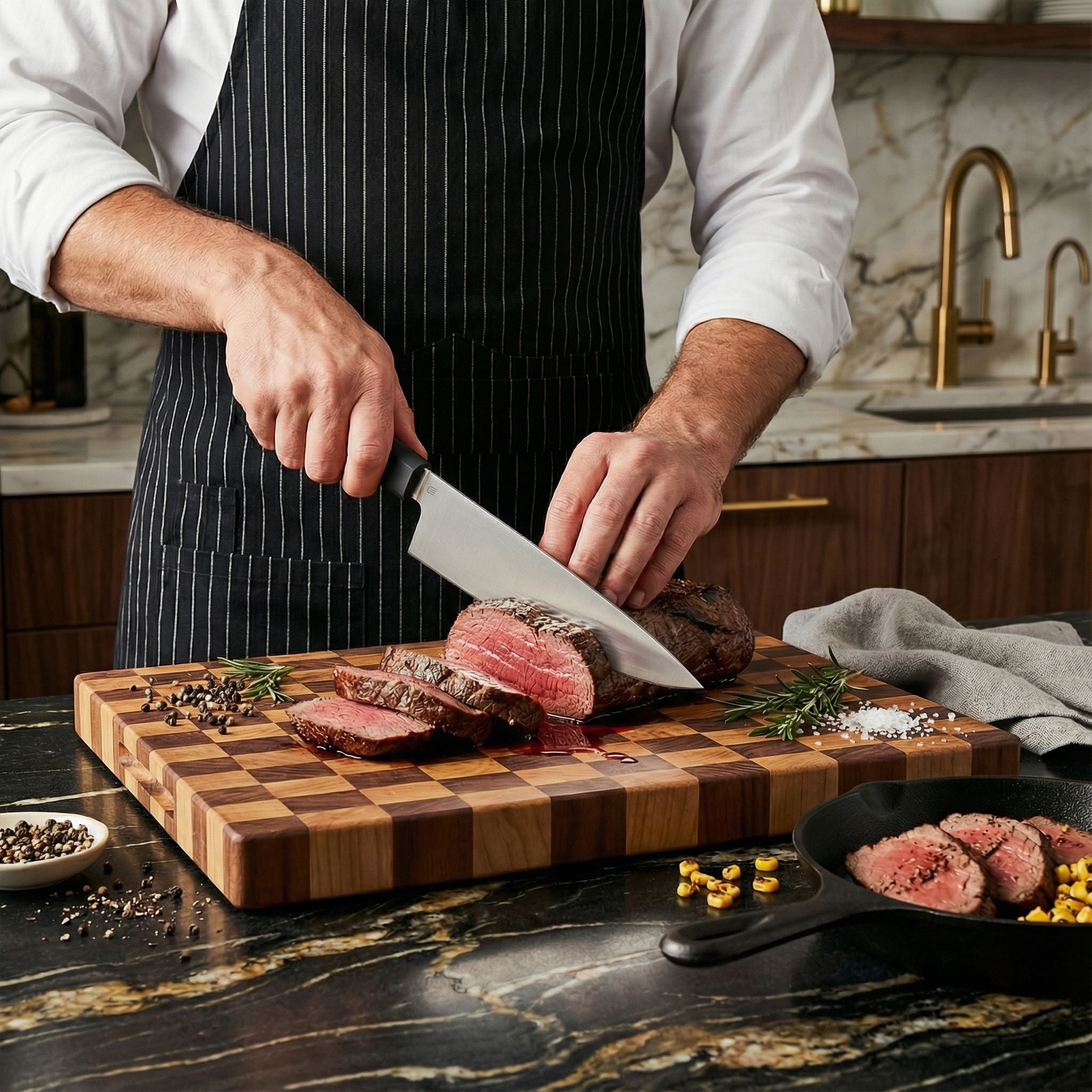
- Japanese kitchen knives: VG-10 is a staple of high-quality Japanese chef knives, prized for taking a keen edge and holding it through long prep sessions.
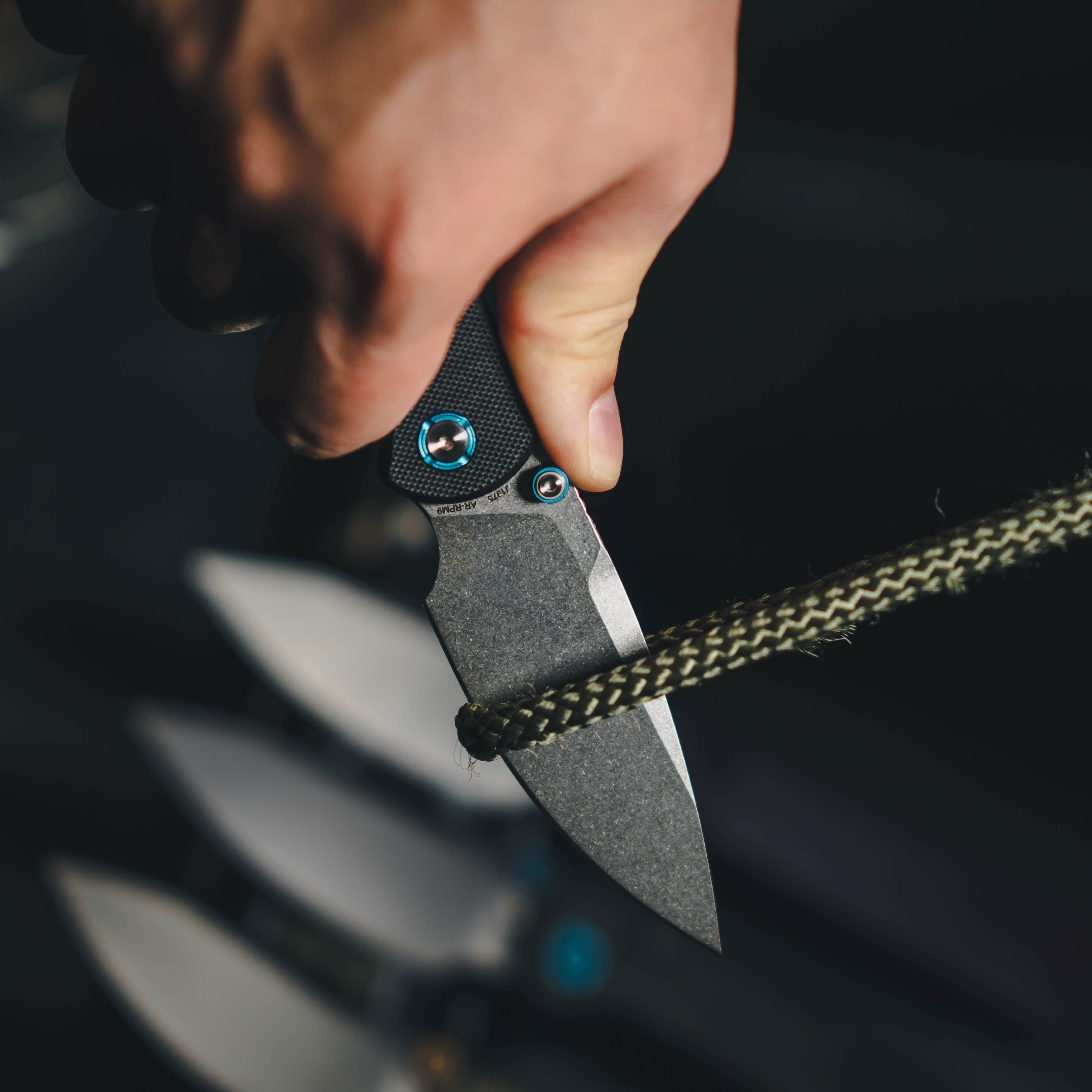
- Folding knives: the same properties translate well to EDC folders, where edge retention and corrosion resistance matter more than extreme toughness.
- Outdoor and sports cutlery: as the steel moved beyond the kitchen, it became a common sight in hiking and sporting blades.
VG-10 vs Other Common Steels
| Steel | Origin | Character |
|---|---|---|
| VG-10 | Japan | Balanced stainless with good edge retention and corrosion resistance |
| AUS-8 | Japan | Budget steel known for easy sharpening |
| 14C28N | Sweden | Sandvik steel favored for toughness and fine edges |
| S35VN | USA | Powder metallurgy steel with high wear resistance |
Compared with budget stainless steels, VG-10 offers noticeably better edge retention, which is why it sits a step up in price and performance. Compared with modern powder-metallurgy super steels like S35VN or M390, VG-10 trades some wear resistance for easier sharpening and a lower price point — a classic mid-tier value.
Sharpening VG-10
VG-10 responds well to a consistent sharpening routine. Use a stable angle — a guided system or a sharpening stone with a fixed angle guide removes the guesswork — and finish on a fine stone or strop to clean up the burr. The steel's fine grain lets it take a very keen edge, which is one of the reasons chefs have trusted it for decades. Learn the fundamentals of hand sharpening in this guide to sharpening stones, and dig into the physics of edge geometry at Science of Sharp.
VG-10's blend of chromium and carbon makes it a well-rounded stainless.
Is VG-10 Right for You?
If you want a stainless blade with dependable edge retention, strong corrosion resistance, and a reputation built over decades of kitchen and outdoor use, VG-10 is an excellent choice — especially if you value a steel that is easier to maintain than exotic super steels. For more on the chemistry behind it, see the VG-10 steel article and this overview of stainless steel.
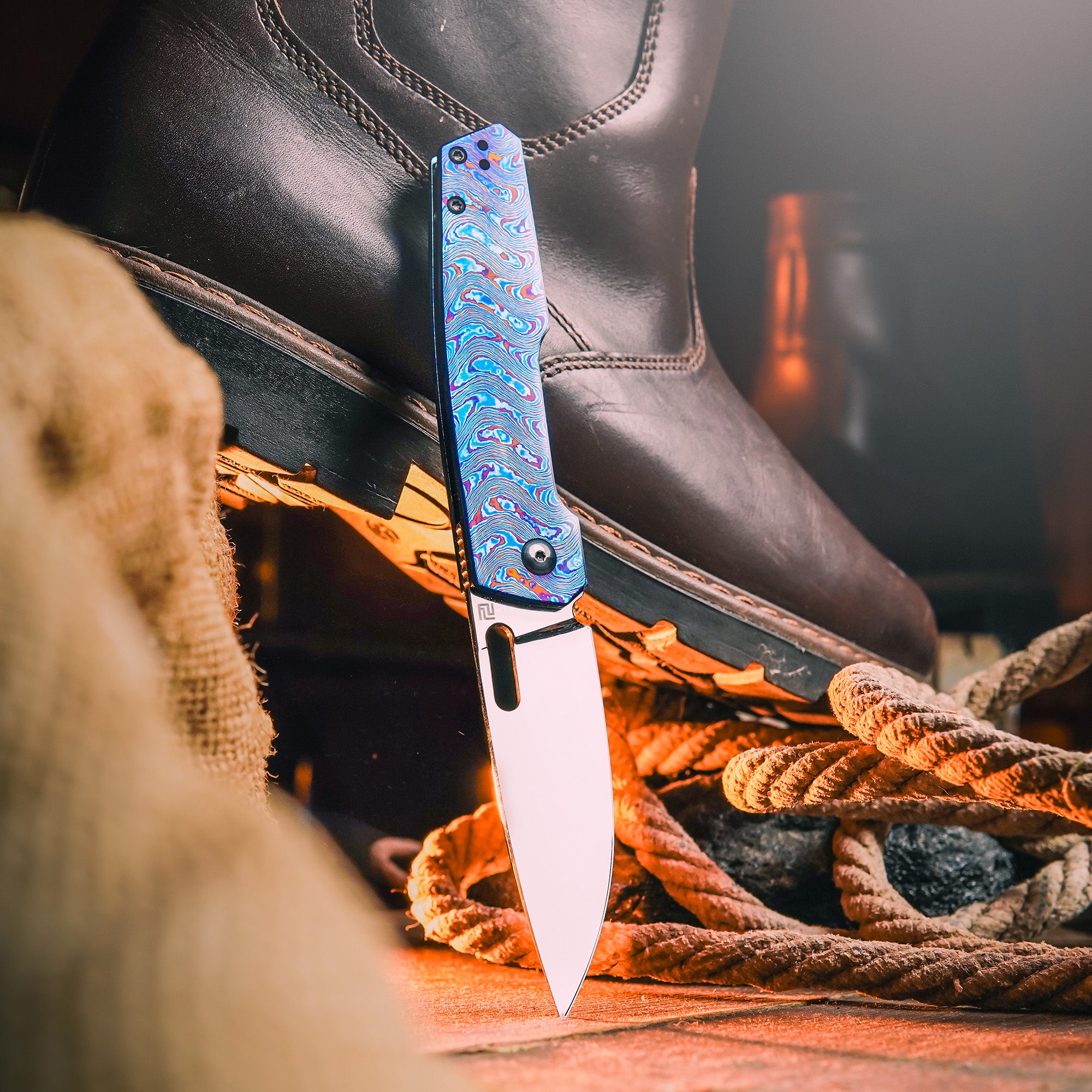
Find your ideal everyday carry configuration — explore the Artisan Cutlery folding knife collection for premium EDC folders built for reliable everyday carry.


Leave a comment
This site is protected by hCaptcha and the hCaptcha Privacy Policy and Terms of Service apply.