

Knife Oil Guide: What to Use, What to Avoid, and How Much
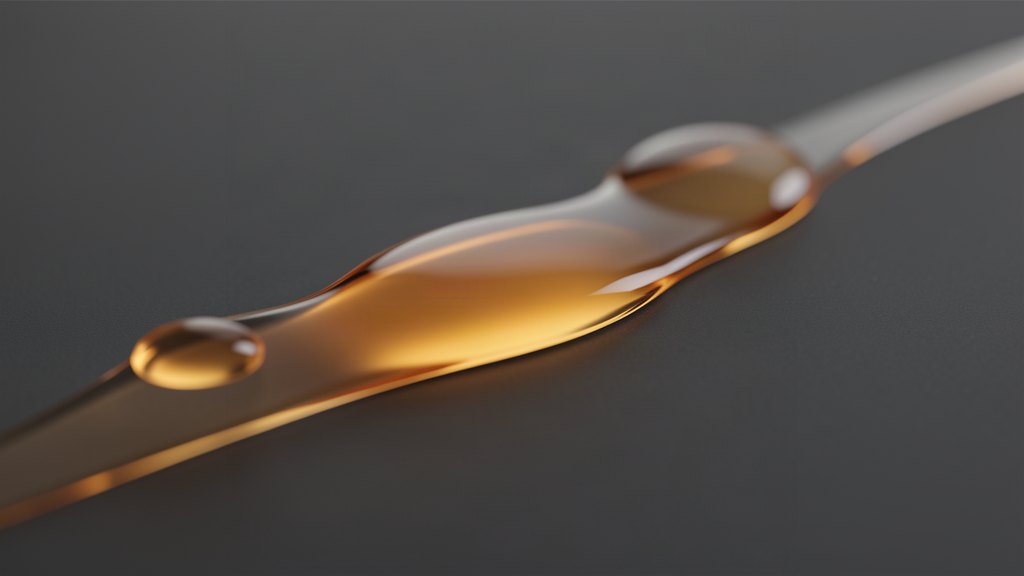
Use a food-grade mineral oil or a purpose-made knife oil. Put one or two drops in the pivot, wipe a thin film across the blade if it is carbon steel, and leave the rest of the knife dry. The oils t...
Recurve Blade Explained: What It Does and Who Should Carry One
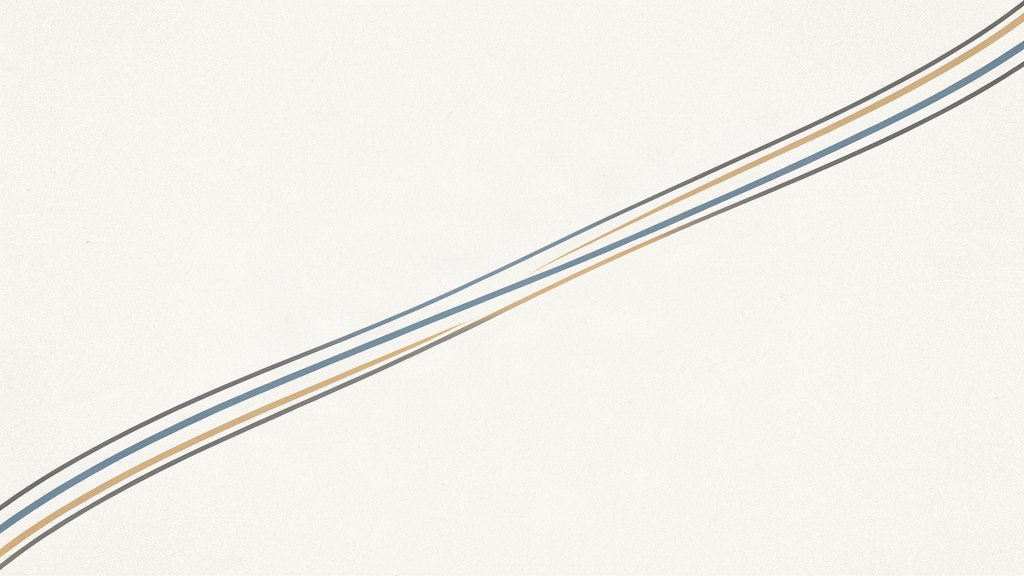
A recurve blade is an edge that curves back inward near the handle and then sweeps outward again toward the tip, so the cutting line forms a shallow S. The payoff is a long, belly-heavy edge in a s...

Chipped or Rolled Knife Edge? How to Fix It
A rolled edge can be pushed back into line in about a minute with a smooth steel or a few light passes on a fine stone. A chipped edge has lost steel and cannot be pushed anywhere — it has to be gr...
Ceramic vs Steel Knives: Which Blade Lasts Longer?
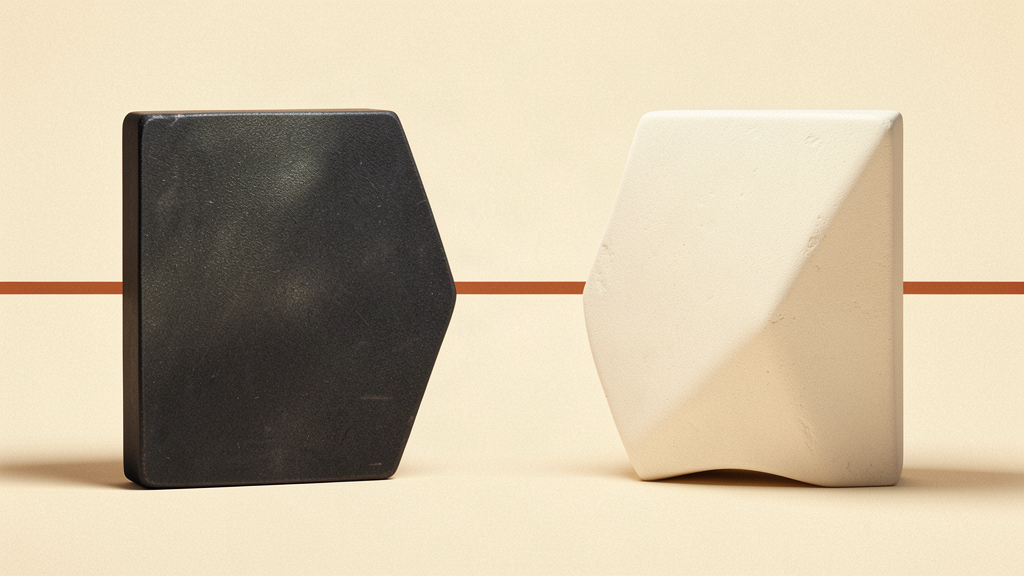
A ceramic blade holds a usable edge far longer than steel when you are slicing boneless food, and it will never rust or leave a metallic taste on a tomato. It also chips instead of bending, and a c...
Knife Spine Explained: Thickness, Geometry, and Why It Matters
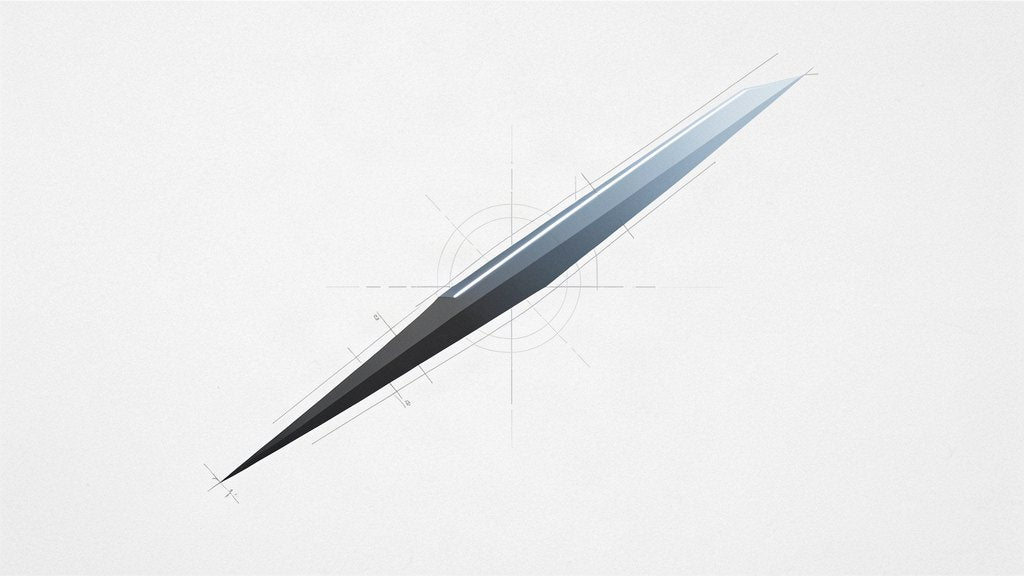
The spine of a knife is the thickest part of the blade, the unsharpened back edge opposite the cutting edge on a single-edged knife. It is the structural backbone of the blade: the part that sets s...
How to Hold a Knife: Grips for Control and Clean Cuts
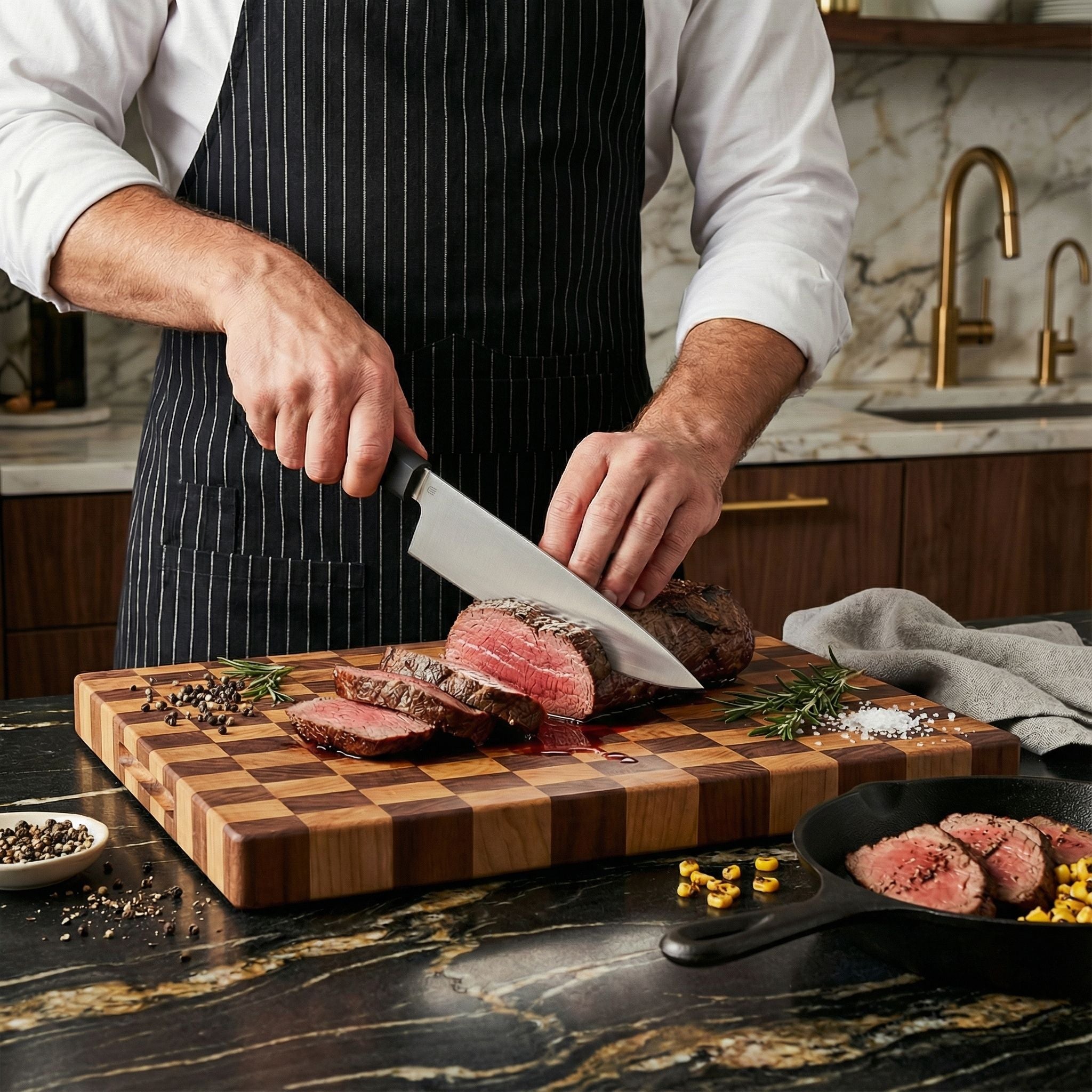
Most knife work goes wrong in the hand, not the blade. The grip that gives you the most control is the pinch grip: thumb and index finger on the blade flats just ahead of the handle, the remaining ...