

G10 is the quiet workhorse of the knife world. It shows up on everything from budget folders to premium limited editions, and for good reason: it is tough, lightweight, grippy, and essentially maintenance-free. Here is what G10 actually is, why it dominates everyday carry, and how to keep it looking new for years.
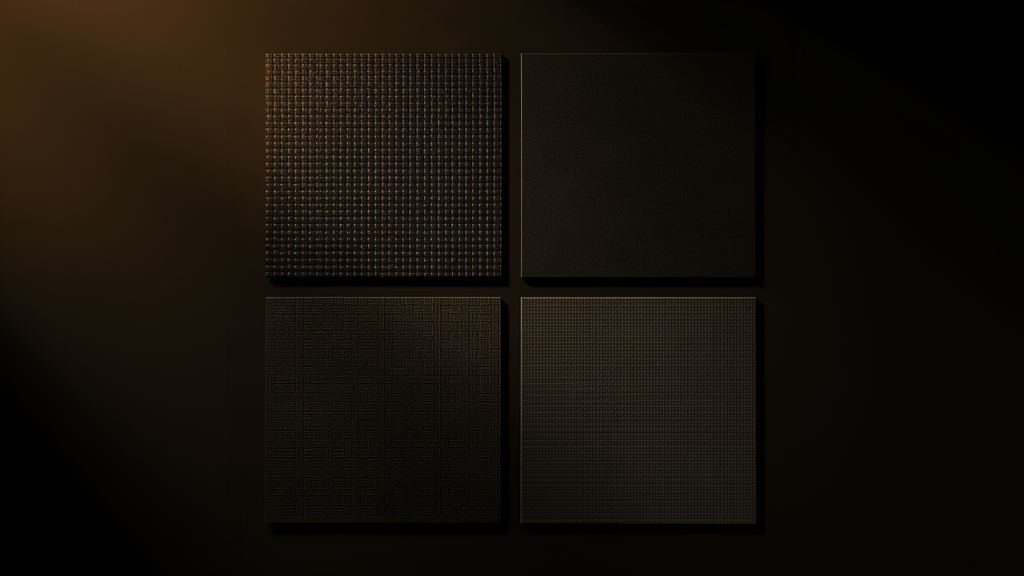
The woven glass-fiber structure of G10 is what gives it stiffness, grip, and zero-maintenance character.
What is G10?
G10 is a composite made from layers of glass-fiber cloth bonded together with epoxy resin under heat and pressure. It was born in the electronics industry as an insulating board, and knife makers adopted it because the same qualities that make it a great electrical insulator — stiffness, dimensional stability, and resistance to moisture — make it a superb handle material. For the full technical background, G10 on Wikipedia explains the construction.
Why G10 dominates EDC handles
- Durability: it will not crack, warp, or corrode in normal use
- Moisture-proof: unlike wood or micarta, it does not absorb water, rot, or grow patina
- Grip: the glass-fiber structure provides texture even when wet, and makers can mill or sculpt it for extra traction
- Lightweight: it keeps folders pocket-friendly without the cost of titanium
- Versatility: it takes colors, patterns, and textures that few materials can match
G10 across the Artisan Cutlery lineup
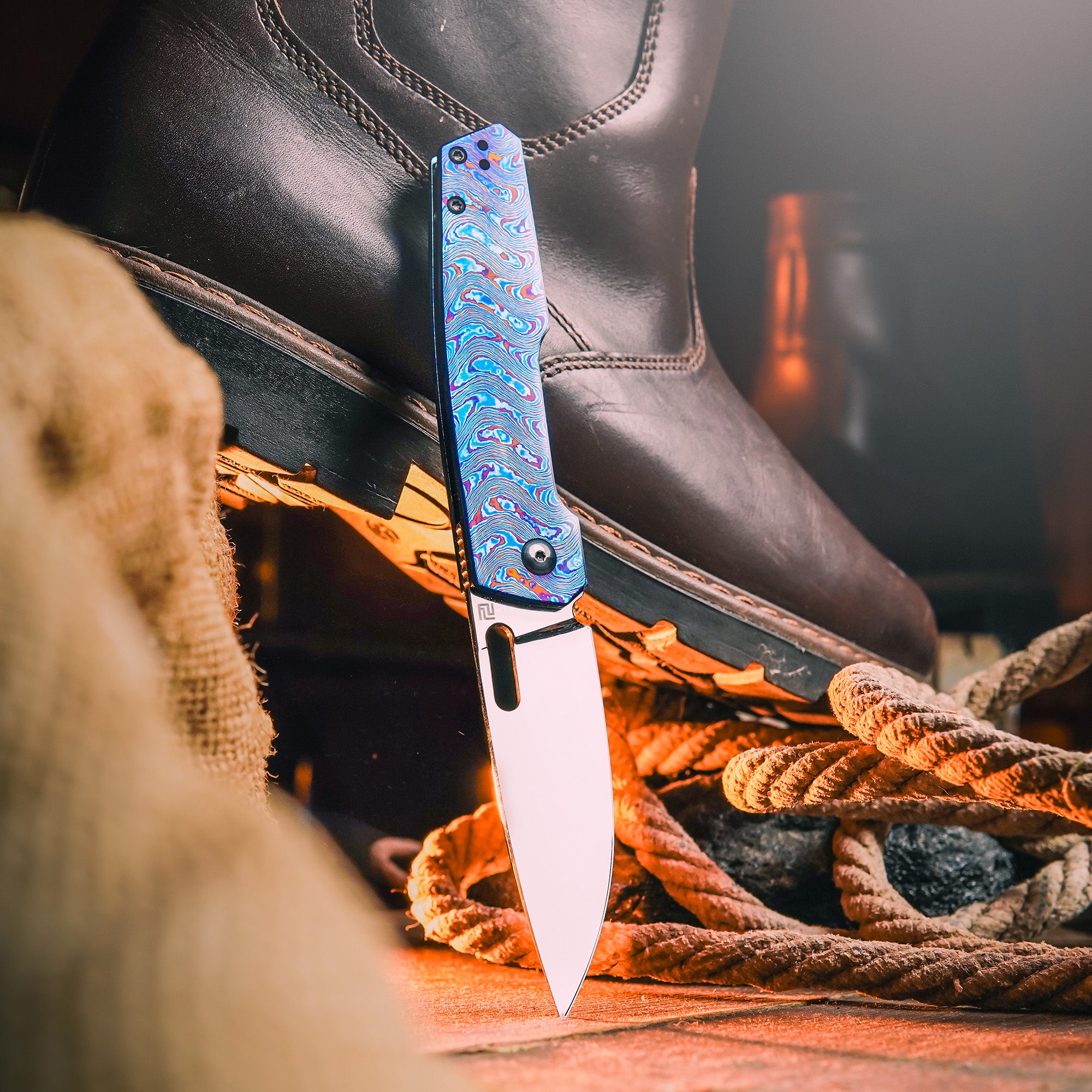
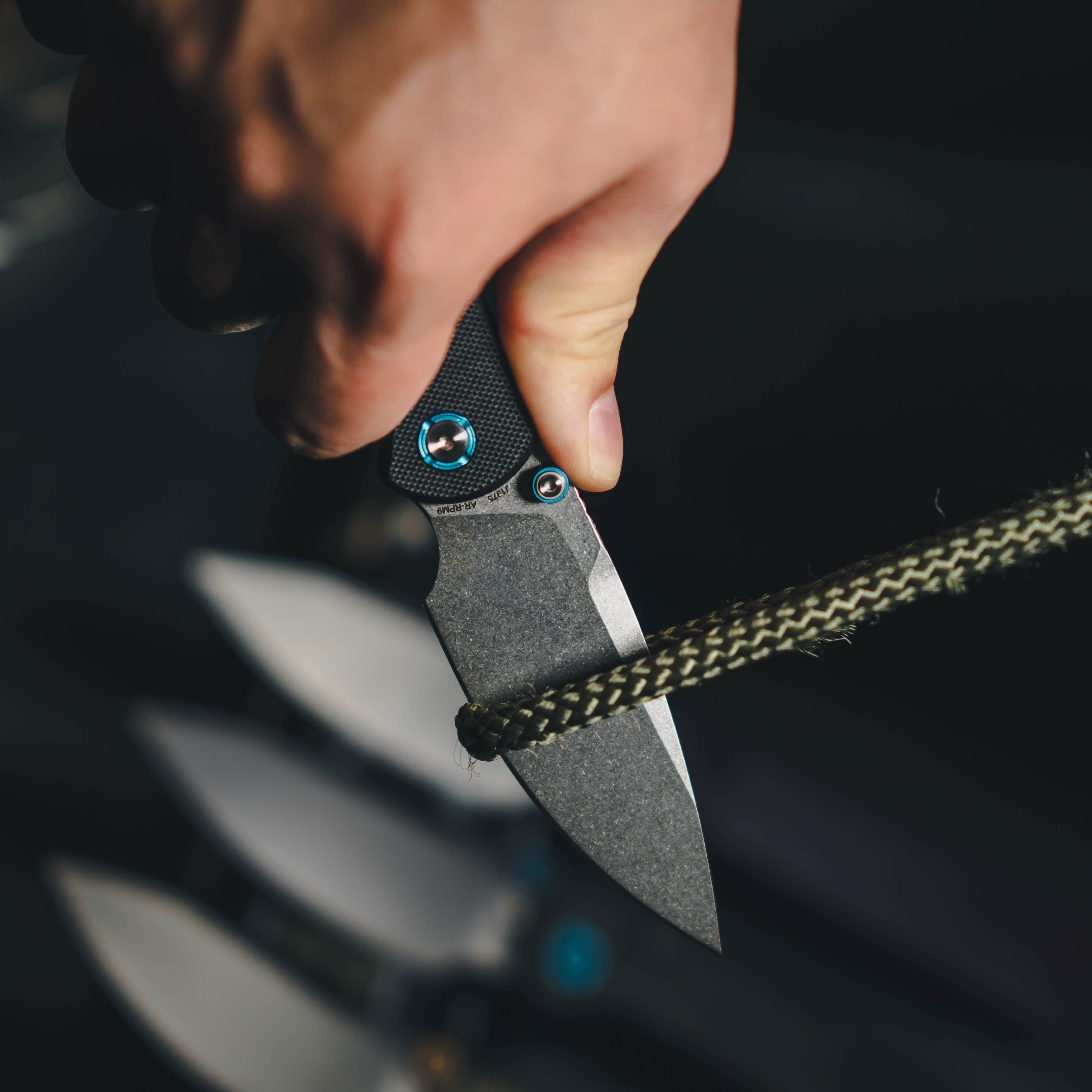
G10 is the backbone of Artisan's value and mid tiers. The Ahab pairs a black G10 handle with wood accents for around $70; the Cazador wharncliffe runs about $75 in G10; and the compact Arroyo flipper starts around $46 with milled G10. The Sirius family also offers G10-handled AR-RPM9 versions alongside its premium titanium models, and the Classic, Predator, Littoral, Jungle, and Orthodox lines all include G10 variants. It is the material Artisan trusts to keep price sensible without sacrificing grip or durability.
How to care for G10 handles
- Clean with mild soap and water, or wipe down with isopropyl alcohol to cut grease and grime
- No oil needed — G10 is not porous and never rusts, so the handle itself is zero-maintenance
- Keep it away from prolonged heat; the epoxy resin can soften or discolor
- Heavy use will smooth the texture over years — a light sanding with fine grit can restore bite
- Periodically check the screws, since G10 can compress slightly over time
G10 vs micarta vs titanium vs carbon fiber
| Material | Durability | Weight | Grip | Maintenance |
|---|---|---|---|---|
| G10 | Very high | Light | Excellent, even wet | None — wash and go |
| Micarta | High | Light | Good; gets grippier as it ages | Occasional oil, develops character |
| Titanium | Very high | Light | Smooth; texture milling helps | Scratches show, can be refinished |
| Carbon fiber | High | Lightest | Smooth; peel-ply versions help | Low, but resin can chip |
For the full material-by-material comparison, our knife handle materials guide goes deeper, and we have dedicated care guides for titanium and copper and brass handles.
The short version: if you want a handle that asks nothing of you and gives everything back, G10 is hard to beat. That is why it is everywhere — and why it will stay everywhere.
Explore the full Artisan Cutlery folding knife collection for more premium EDC folders built for reliable everyday carry.

Leave a comment
This site is protected by hCaptcha and the hCaptcha Privacy Policy and Terms of Service apply.