


What Makes a Knife Collectible
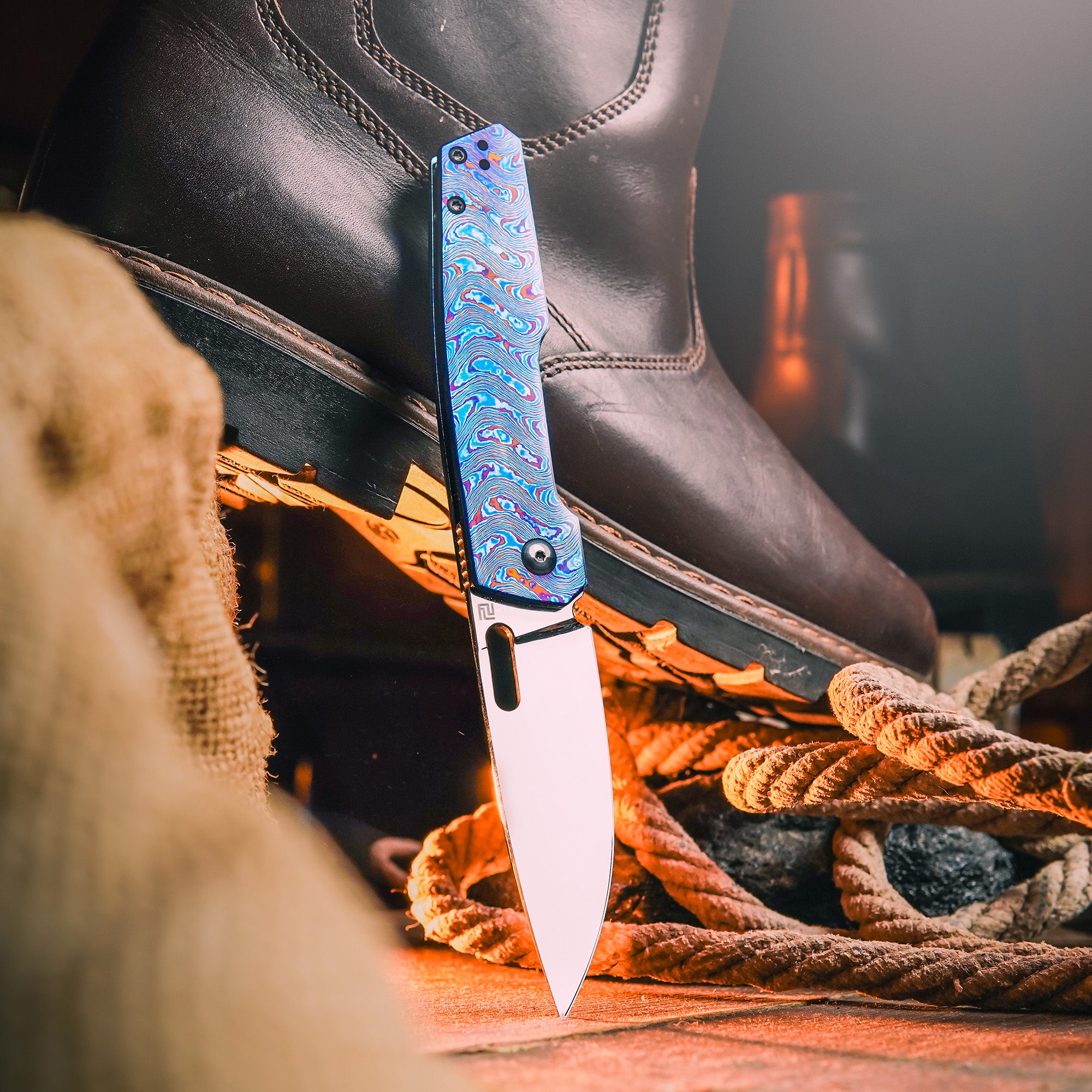
Knife collecting starts with understanding why some knives hold value and appreciation over time. The usual drivers are the same across the hobby: premium blade steels such as M390 and S35VN, handle materials like titanium, carbon fiber, and natural micarta, limited production runs, and designs from well-known collaborators. A knife does not need to be expensive to be collectible, but it does need one or more of these traits done well.
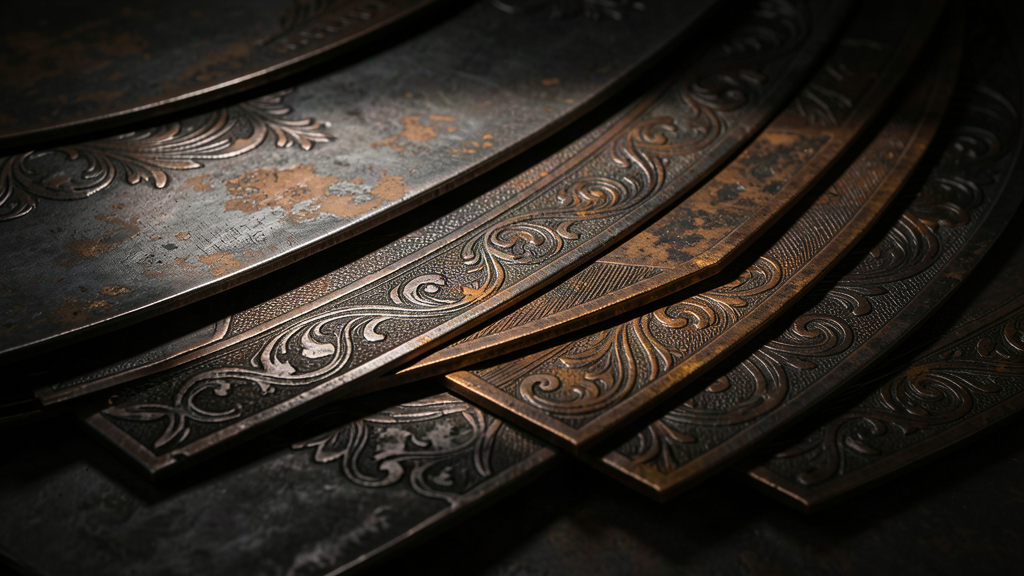
Warm wood and brass textures reflect the display-case side of knife collecting.
How to Evaluate Condition Like a Collector
Before you add a piece to your collection, look at it with a critical eye. The points that matter most:
- Blade condition — Check for scratches, chips, edge damage, and uneven grinds. Patina on carbon steel is character; corrosion pitting is damage.
- Action and lockup — The blade should deploy smoothly and lock solidly with no blade play. A weak lockup affects both function and value.
- Handle condition — Look for scale wear, loose liners, and stripped screws. Titanium and G10 handle wear differently, so learn what is normal for each material.
- Packaging and accessories — Original boxes, tins, and paperwork matter to collectors. A complete set consistently commands more interest.
Document Everything: Provenance Is Power
Professional collectors keep records for every piece. Build a simple system that captures the essentials:
- Model name, model number, and steel
- Date and place of purchase, with the receipt
- Serial number or edition number if the knife has one
- Photos of the knife and its box, stored with the record
- Notes on condition and any servicing done
This documentation becomes your provenance trail. It makes insurance claims simple, helps you trade with confidence, and it is genuinely satisfying to look back on years later.
Store and Protect Your Collection
Environment does more damage to a collection than daily use ever will. Keep knives in a stable indoor climate, away from direct sunlight and damp basements. Storage rolls, display cases, and padded boxes all work well; what matters is that blades do not touch each other and humidity stays low. Add a desiccant pack to any sealed storage box. If your collection includes carbon steel blades, a light coat of oil before long-term storage is a habit worth keeping.
Valuation and Insurance Basics
Collection values move, so check current market prices for comparable pieces once or twice a year rather than relying on what you paid. For serious collections, confirm whether your home insurance covers knives and consider a scheduled rider for high-value pieces. Keep your documentation current, because insurers pay out on evidence, not memories.
Common Collecting Mistakes to Avoid
- Buying on impulse without checking what the model actually is
- Storing knives loose in a drawer where edges collide
- Throwing away boxes and papers because they seem unimportant
- Over-sharpening display pieces until they lose their original edge geometry
- Chasing every limited drop instead of collecting what you genuinely admire
Knife collecting is a marathon, not a sprint. Build slowly, document carefully, and buy what speaks to you. For ideas on where to start, look through the Artisan Cutlery folding knife collection, and keep up with new releases on the Artisan Cutlery blog.


Leave a comment
This site is protected by hCaptcha and the hCaptcha Privacy Policy and Terms of Service apply.