

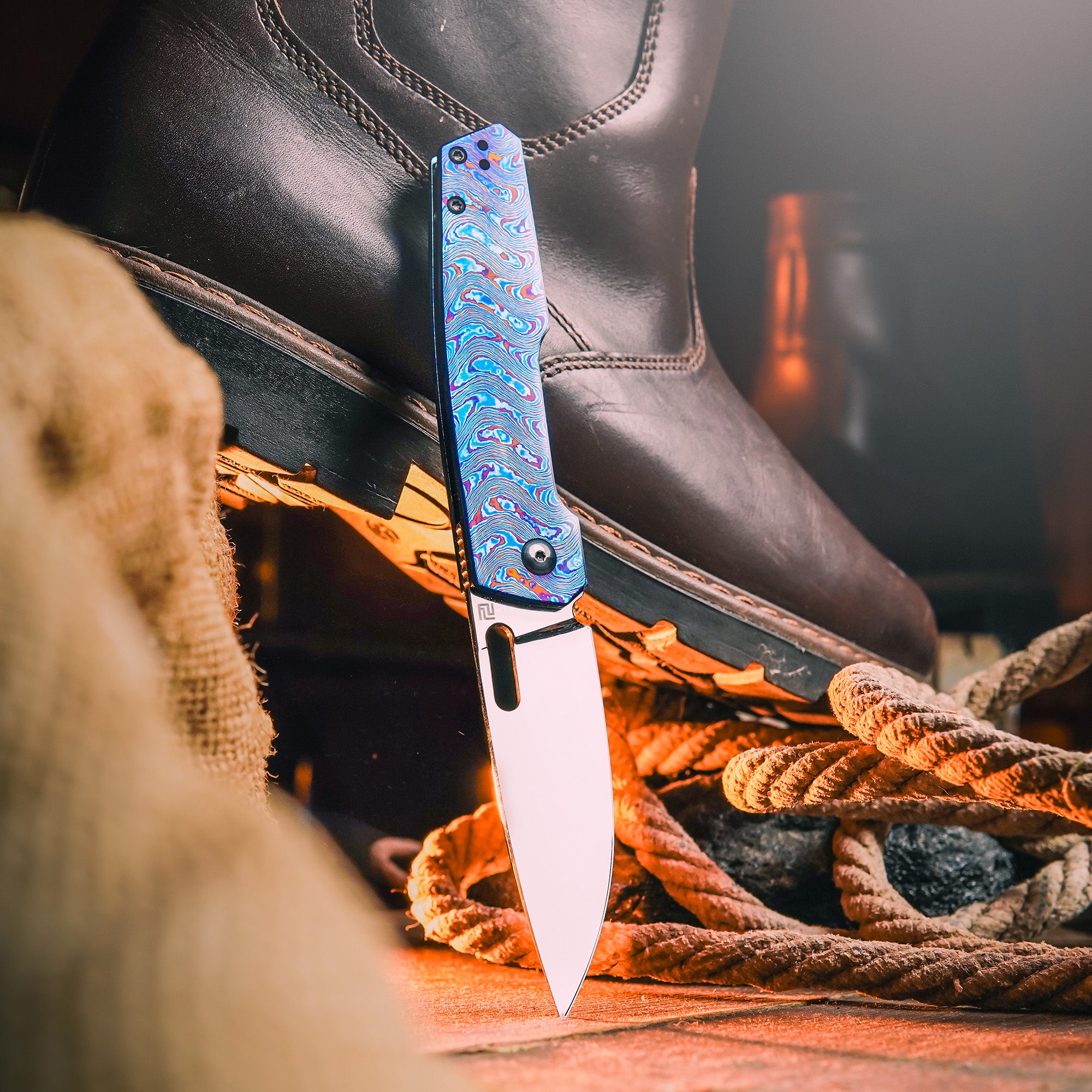
The liner lock is the quiet workhorse of the folding knife world. It is the mechanism in the majority of everyday carry folders on the market, it is the lock most people learn to close first, and it is the lock designers reach for when they want a thin, light, one-handed knife at a fair price. Artisan Cutlery's own catalog carries more than 200 listings tagged as liner locks. Yet most explanations of the mechanism stop at one sentence: a piece of the liner springs behind the blade. This guide goes further, covering where the design actually came from, what to look at when you inspect a liner lock knife before buying, and how to keep one healthy for years.
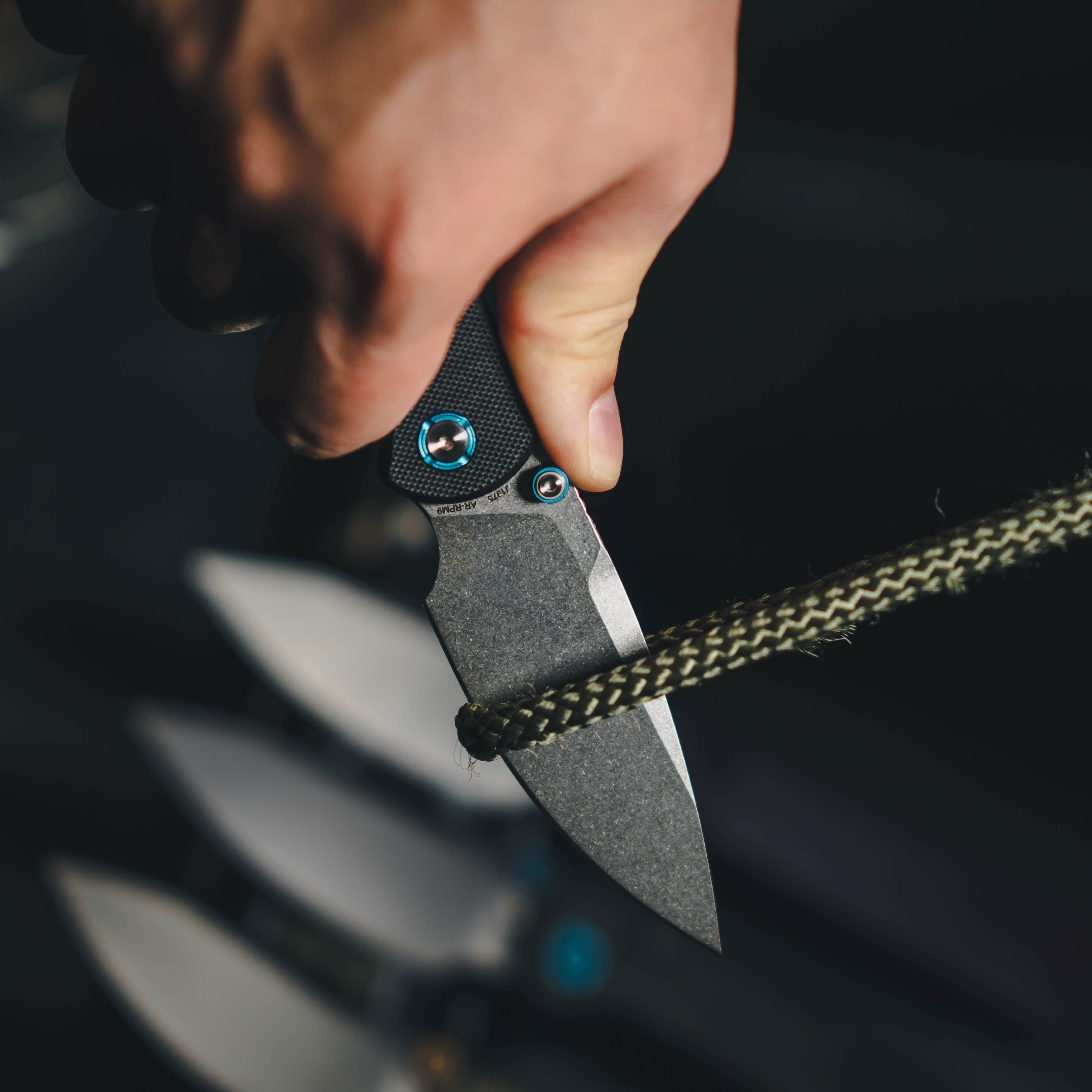
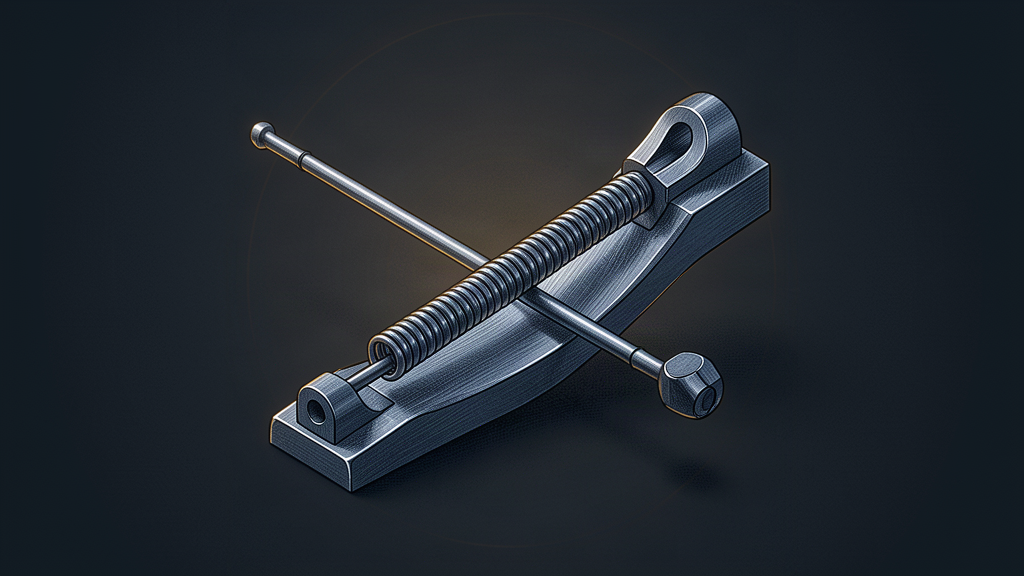
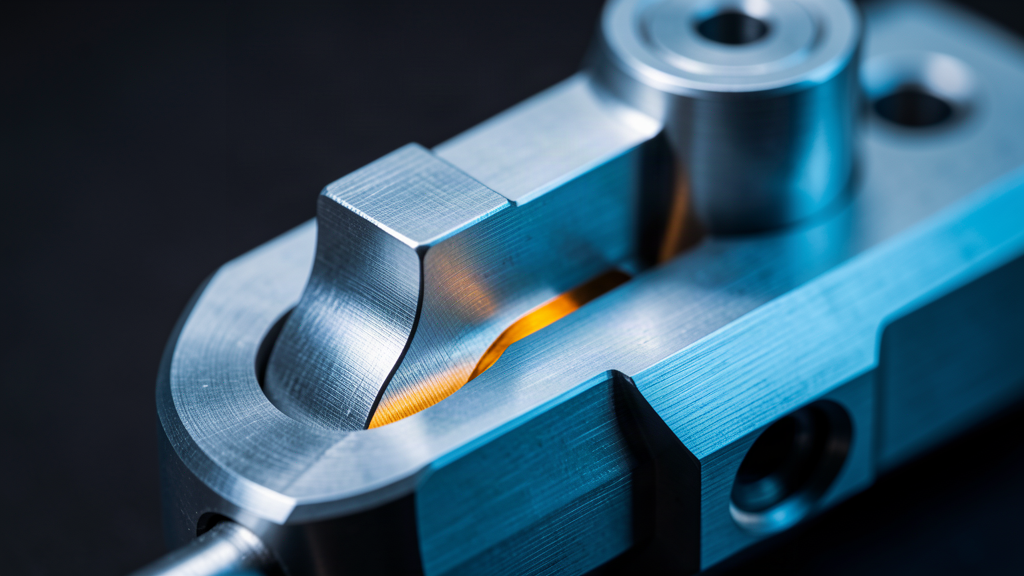
The lock bar, detent ball, and stop pin are the three parts that define how a liner lock feels in hand.
The Liner Lock Began as a Work Knife, Not a Tactical Folder
The locking liner is older than most carriers realize. According to the history documented on Wikipedia's liner lock page, locking liner designs go back to the late 19th century, with the Cattaraugus liner locking patent issued on July 3, 1906. When that patent expired in 1923, other manufacturers picked the idea up, and it appeared in working knives such as the Camillus TL-29 electrician's knife, where the locking liner held the screwdriver and stripper blade open. In that era the lock was there to keep a tool blade from folding on the user's hand while they worked on a panel.
The version we carry today was refined in the 1980s by American custom knifemaker Michael Walker, who is credited on the same page with improving and popularizing the design and trademarking the name Linerlock in March 1990. Two of Walker's changes are worth knowing because they explain how the lock feels in your hand. He removed the weak back spring and added a heat-treated stop pin that has to align the blade in the open position. He also added a detent ball, held in the lock bar by the liner's own spring force, to keep the blade closed until you deliberately open it. Those two parts are why a modern liner lock folder can snap open one-handed and still stay shut in a pocket.
What Is Actually Happening Inside a Liner Lock Knife
Once you know the parts, the mechanism is easy to read. Wikipedia's construction notes describe the essentials, and they match what you will see if you look into the handle of an Artisan Cutlery or CJRB liner lock folder:
- Lock bar (the split liner). The locking-side liner is split from the top toward the bottom so it behaves like a leaf spring. That strip, often called the lock bar, presses against the tang of the blade and blocks it from rotating closed. Liner locks are most commonly built from titanium alloy or steel.
- The tang. This is the tail of the blade inside the handle. The lock bar meets the tang at an angle, which is what lets the lock seat itself more firmly as load increases rather than sliding off.
- The detent ball. Pressed into the end of the lock bar, the ball seats in a small hole in the blade when the knife is closed. It is what holds the blade shut against gravity and gives the opening action its first resistance.
- The stop pin. A hardened pin the blade seats against when fully open. It takes the load on the open position, so the lock bar is not the only thing standing between the blade and your fingers.
- The release path. To close the knife you push the lock bar sideways toward the opposite handle scale, away from the tang, and the blade is free to swing shut.
You can read more about the design on Wikipedia's liner lock page, which covers the patent history and construction in more detail.
Why the Liner Lock Still Dominates Everyday Carry
The design survives because it earns its place. A liner lock needs no extra lock hardware bolted to the outside of the handle, so the knife stays slim in a pocket. There are very few parts to fail, the lock is fully user-serviceable, and the release is a single motion once you learn it. It also tolerates being built at almost any price point, which is why you can buy a perfectly sound liner lock folder for under fifty dollars and a premium one for a few hundred.
The trade-offs are real too, and they are worth understanding before you buy:
- Right-hand bias. The cutout and the lock bar are built for a right-handed thumb, so the standard layout is slower to close with your left hand.
- Thin parts wear. The lock bar is a narrow strip of steel or titanium. It is a wear item over a decade of hard use, which is why makers add steel lock face inserts to premium models.
- Your thumb has to reach the cutout. On knives with deep scales or an unusual grip, that access point is the whole usability of the lock.
What to Inspect Before You Buy a Liner Lock Knife
Most of what determines whether a liner lock serves you for years is visible in the first minute with the knife in hand. Run these checks in order:
- Lockup travel. Open the knife and look at how far the lock bar has crossed the tang. The healthy zone sits around the middle: early enough that the lock still has room to wear in, late enough that it is not barely catching the edge. A lock that engages at the extreme end of its travel is close to running out of movement.
- Lock face contact. The bar should meet the tang with full contact, not a corner or a sliver. A steel insert at that contact point is a long-life feature worth paying for on a knife you plan to use hard.
- Detent. Close the knife and feel the blade settle into the detent. It should hold the blade shut with a small, firm snap, not rattle, and not fight you on every open.
- Blade centering. Hold the closed knife up to a light. Even gaps on both sides of the blade mean the pivot and liners are square.
- Pivot assembly. Washers give a hydraulic, deliberate action; ceramic ball bearings give a faster, freer open. Neither is better, but they feel different, and bearings want to stay cleaner.
- Access to the lock bar. With the knife open, press the bar with your thumb the way you would to close it. If your thumb has to hunt for it, the lock will annoy you for the life of the knife.
- The close itself. Let the blade fall shut under control. If it drops with a hard clack onto the stop pin every time, you are looking at accelerated lock wear unless you change how you close it.
Liner Lock Knives in the Artisan Cutlery and CJRB Lineups
The two brands in this house both lean on the design. Counting the live catalog, 211 listings are tagged as liner locks and 155 of them have at least one variant in stock today, spread across every price band from thirty-five dollars to boutique exclusives. That includes the sub-collection CJRB labels as a top liner lock, a designation the brand lists separately from its standard liner locks on about twenty listings.
| Model | Blade steel | Blade length | Handle | In-stock price |
|---|---|---|---|---|
| Eterno ATZ-1818P | D2 (HRC 59-61) | 3.54 in | G10 | $34.99 |
| Apache Nomad ATZ-1813P | D2 (HRC 59-61) | 3.70 in | Aluminum with G10 onlays | $39.45 |
| Shark ATZ-1707PS | D2 (HRC 59-61) | 3.20 in | G10 | $44.99 |
| Orthodox V2 1883P | AR-RPM9 (HRC 59-61) | 3.54 in | G10 | $44.99 |
| Tradition V2 1702M | AR-RPM9 (HRC 59-61) | 3.58 in | G10 | $44.99 |
| Arroyo ATZ-1845P | AR-RPM9 (HRC 59-61) | 3.31 in | G10 | $45.97 |
| CJRB Latitude J1975 (top liner lock) | AR-RPM9 (HRC 59-61) | 3.47 in | G10 | $54.99 |
| Arion ATZ-1843P | AR-RPM9 (HRC 59-61) | 3.75 in | Carbon fiber | $59.99 |
| Beest ATZ-1878P | AR-RPM9 (HRC 59-61) | 3.65 in | Aluminum | $69.99 |
| Beest 1878P-GL | AR-SFII (HRC 59-61) | 3.65 in | Aluminum | $89.99 |
Every price in that table comes from a variant that is currently in stock, and every specification comes from the product's own sheet in the catalog. If a configuration shows as sold out, treat its price as history rather than a current offer.
Liner Lock vs Frame Lock vs Button Lock at a Glance
| Lock | How it works | Handle profile | Handedness |
|---|---|---|---|
| Liner lock | Split liner leaf spring presses the blade tang | Slim, liner carries the load | Right-hand standard |
| Frame lock | The handle scale itself flexes against the tang | Thicker, stronger frame | Right-hand standard |
| Button lock | A spring-loaded plunger drops into a tang notch | Needs space for the button | Fully ambidextrous |
If you want the deeper comparison, our complete guide to lock mechanisms walks through every lock family in the catalog, and the lock comparison table puts strength and ease of use side by side.
Keeping a Liner Lock Healthy Over Time
Liner locks do not fail because they are weak. They fail because grit, prying, and slamming wear the two surfaces that must stay mated: the lock face and the blade tang. Four habits keep those surfaces honest:
- Never pry. Lateral load on the blade is the fastest way to damage lock geometry. Keep a dedicated pry tool for prying.
- Flush and lubricate. A drop of light lubricant at the pivot, plus a periodic flush of the lock area, stops lint and grit from mimicking wear. Our maintenance schedule breaks this into weekly, monthly, and yearly steps.
- Check pivot tension monthly. A loose pivot lets the blade move sideways and grind the tang. If the screw keeps backing out, clean the threads and use a drop of thread locker.
- Close with control. Guide the blade shut instead of flicking it against the stop pin.
If your knife already has vertical movement when you press on the spine, that is a lock problem rather than a pivot problem, and it is addressed in our guide to blade play causes and fixes. New knives that feel stiff are usually just tight, not broken, and the break-in process is covered in how to break in a new folding knife.
How to Close a Liner Lock One-Handed
- Hold the knife in your right hand with the lock side facing your palm.
- Press your thumb into the cutout and push the lock bar sideways, away from the blade tang.
- Once the lock bar clears the tang, tip the handle forward so the blade swings down past the detent.
- Move your fingers out of the blade path and finish closing the knife with your thumb on the spine.
Left-handed carriers can do the same thing with the index finger, though the standard layout is slower that way. If handedness is the deciding factor, a button lock or crossbar lock folder will serve you better.
Choosing Your First Liner Lock
Start with the job, not the spec sheet. If you want a light knife for a shirt pocket, a thin G10 liner lock around three and a half inches covers almost every daily task. If you cut heavily or work outdoors, step up to a thicker handle and a steel lock face insert. If your knife mostly opens boxes, a sub-fifty-dollar D2 model will outlast your enthusiasm for it. The one specification worth holding firm on is lockup: buy the knife you have inspected, not the knife you hope arrives right.
You can see the full range in the liner lock knife collection, or browse the wider Artisan Cutlery catalog to compare the liner lock models against frame lock and button lock options.
Pick a liner lock with healthy lockup travel, keep the tang clean, and never pry with it, and the mechanism will stay safe and predictable for years of everyday work. That is a durable way to carry, and a simple one for reliable everyday carry.


Leave a comment
This site is protected by hCaptcha and the hCaptcha Privacy Policy and Terms of Service apply.